Which Hand Cream Actually Works Better for Aging Hands_ L’Oréal Age Perfect or CeraVe Intensive Repair_
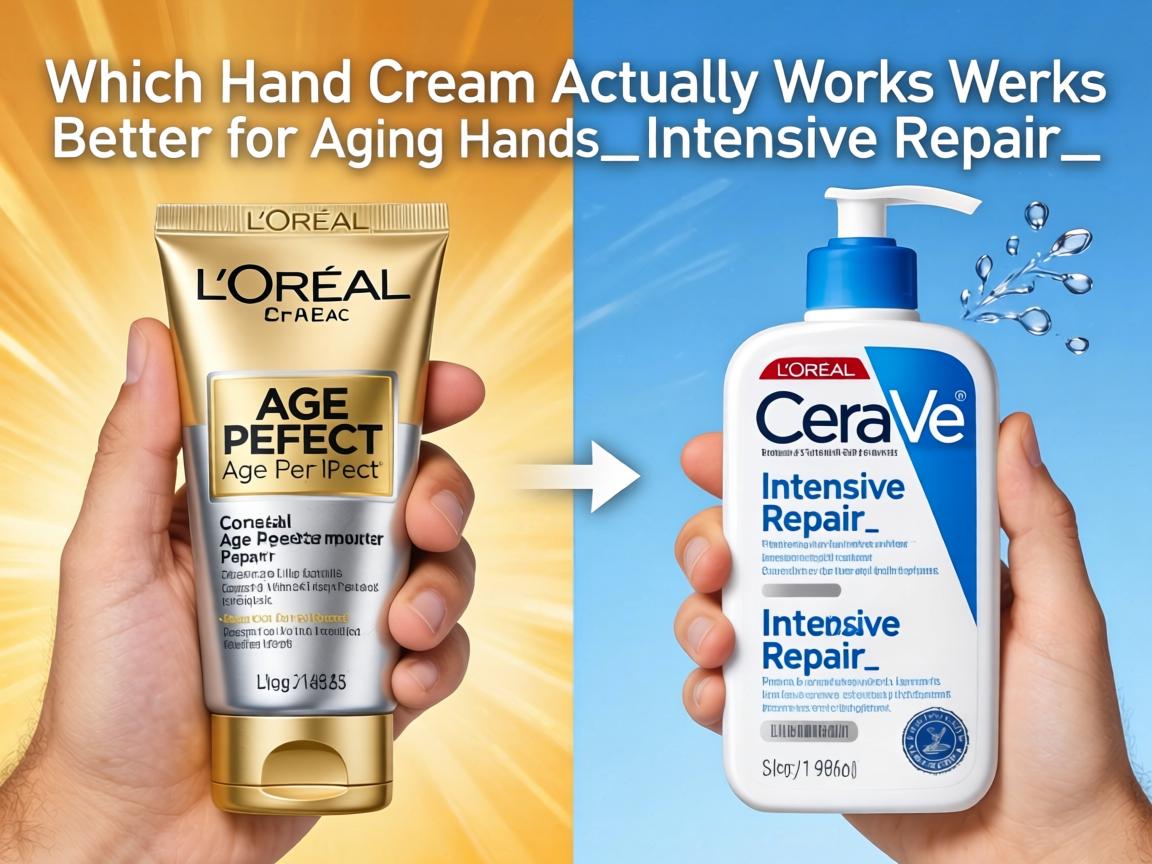
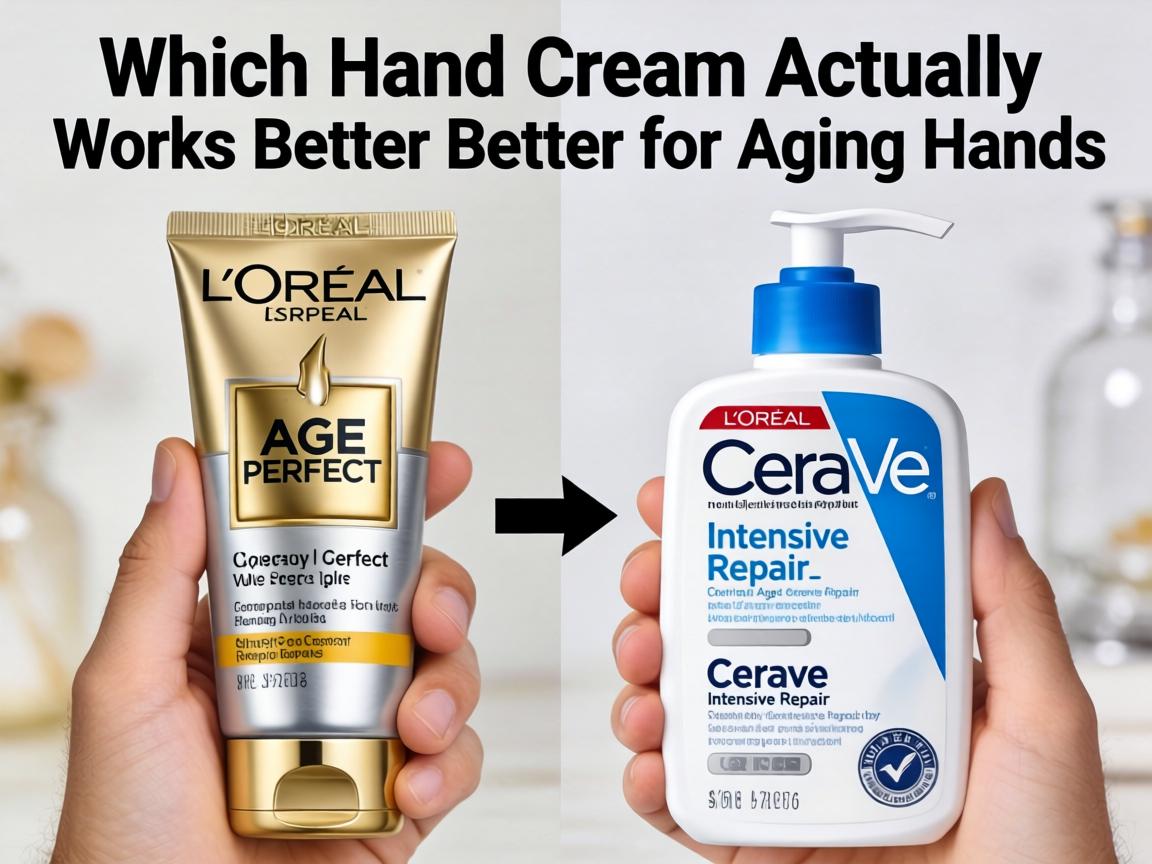
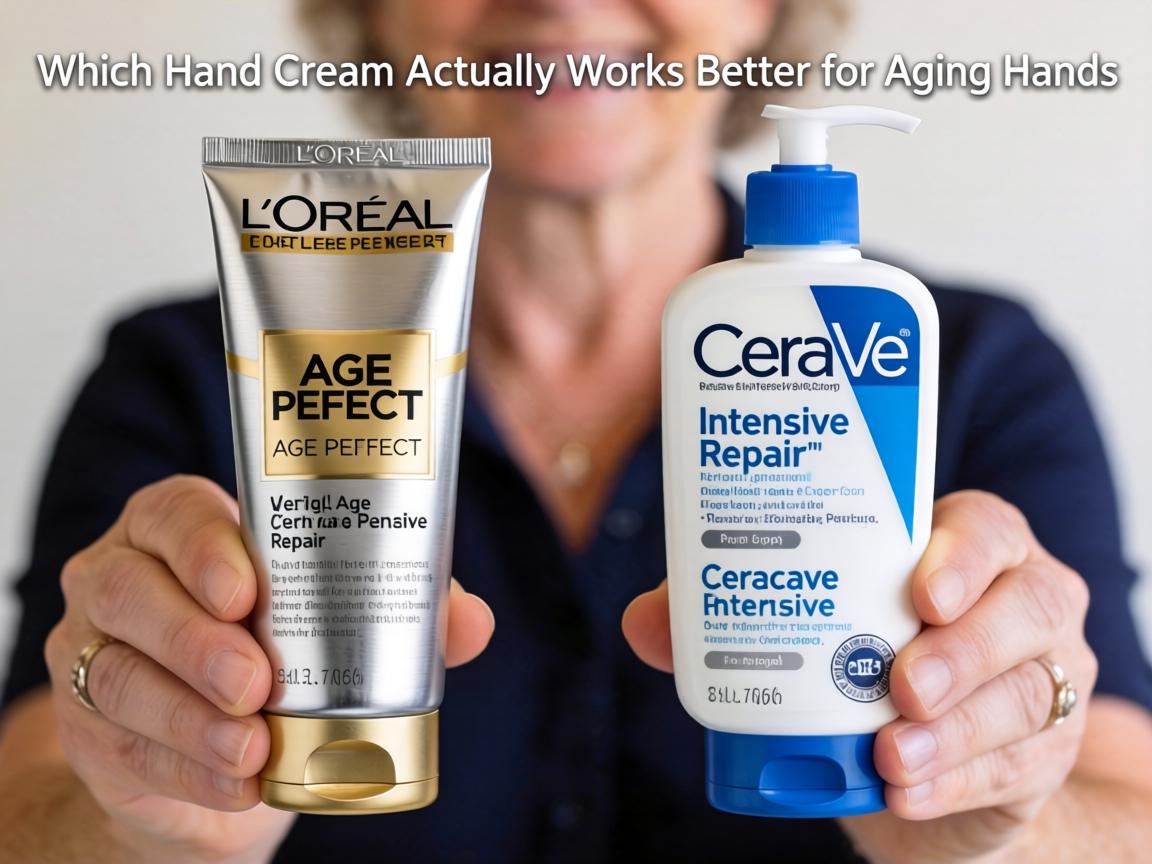
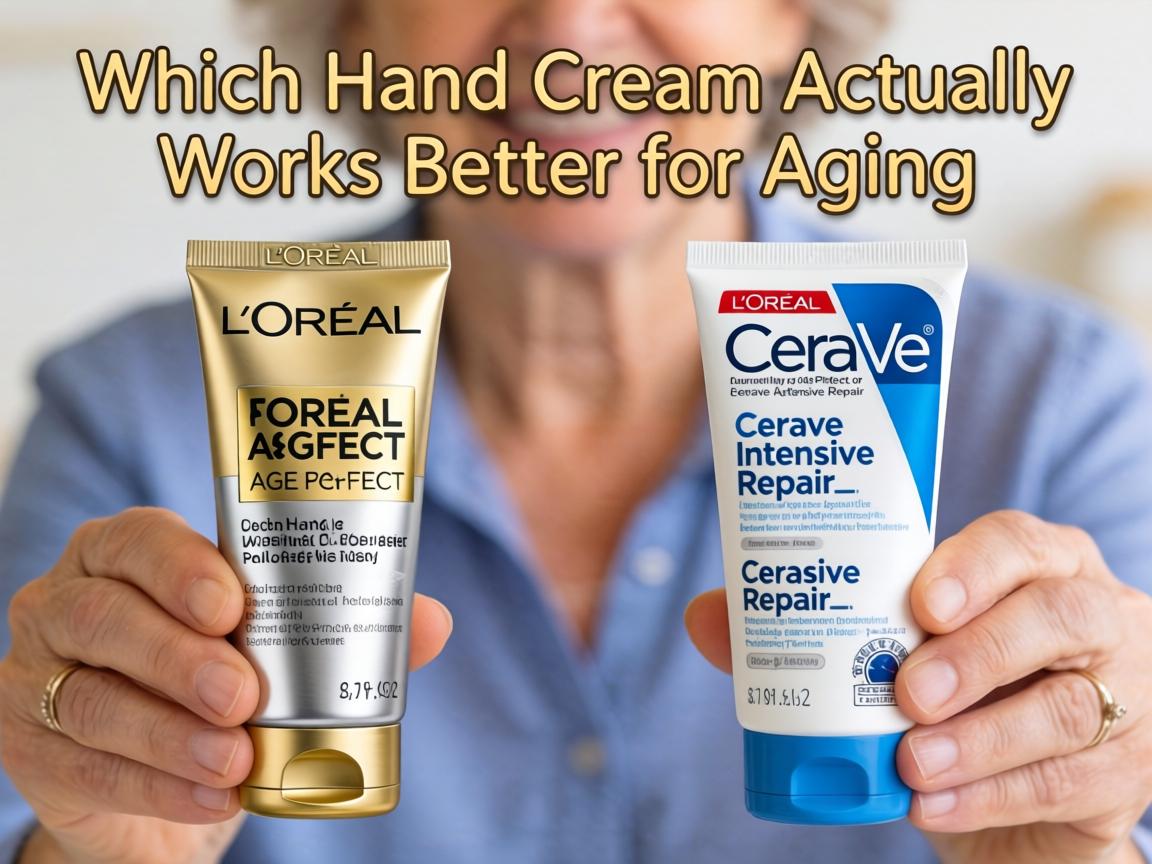
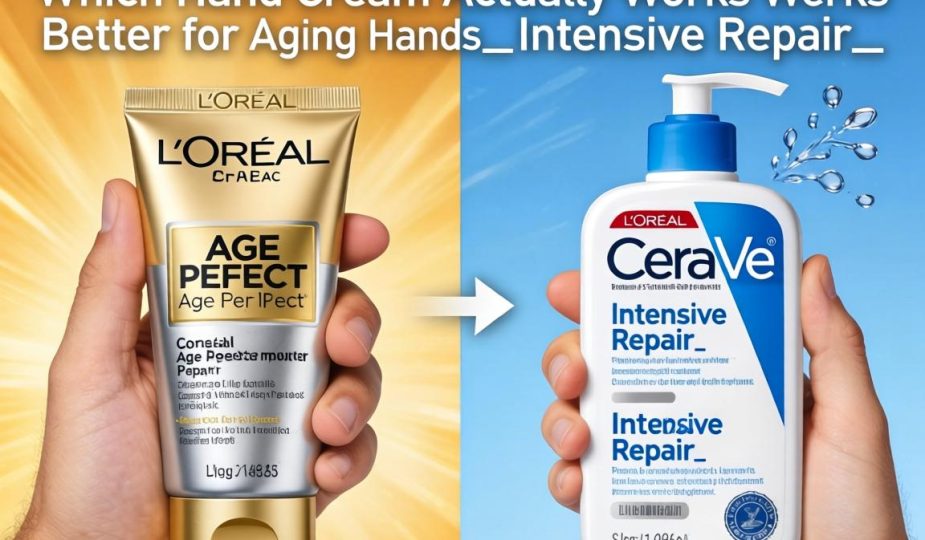
Okay, so here’s the thing. You’re standing in the skincare aisle, probably at Target or CVS, and your hands are starting to feel like sandpaper. Maybe you noticed those little age spots creeping in, or the skin on your knuckles looks thinner than it used to. You want something that actually works, not just smells nice. So you’re staring at two boxes: L’Oréal Age Perfect Hand Cream and CeraVe Intensive Repair Hand Cream. Both promise to fix your hands. Both are under $15. But which one is worth your money?I’ve been using both for the past three months—yes, actually using them, not just reading labels—and I’ve got some thoughts. Let’s break this down in a way that actually makes sense for real people with real dry hands.First, what are we even looking for in a hand cream?
When your hands are aging—and let’s be real, they show age faster than your face because we wash them constantly—you need three things: hydration that lasts, ingredients that actually repair the skin barrier, and something that doesn’t feel greasy when you’re trying to type or cook dinner. Some people also want anti-aging benefits like fading dark spots or improving elasticity. Others just want the cracking to stop.So here’s how these two stack up.The ingredient story—because this matters more than marketing
L’Oréal Age Perfect comes in with soy seed extract, which they claim helps with skin density. It also has SPF 15, which honestly? Huge win. Your hands get more sun than you think—driving, walking, sitting by windows—and that sun damage is why they look older than your face. The texture is thicker, more like a balm that takes a minute to sink in.CeraVe, on the other hand, is all about ceramides. Three types of them, plus hyaluronic acid. If you don’t know what ceramides are, think of them as the mortar between bricks in a wall. When your skin barrier is damaged—hello, winter dryness and constant hand washing—ceramides patch those gaps. CeraVe also has MVE technology, which is their fancy way of saying “this releases moisture slowly throughout the day.”Let’s put this side by side because comparisons are easier to digest:
| Feature | L’Oréal Age Perfect | CeraVe Intensive Repair |
|---|---|---|
| Key ingredients
|
Soy seed extract, SPF 15, glycerin | Ceramides 1, 3, 6-II, hyaluronic acid, niacinamide |
| Texture
|
Thick, balm-like, takes 2-3 minutes to absorb | Lighter, absorbs in under a minute |
| Sun protection
|
Yes, SPF 15 | No SPF |
| Best for
|
Age spots, prevention, overnight use | Immediate relief, barrier repair, daytime use |
| Price
|
Around $10-12 for 3.4 oz | Around $6-8 for 3 oz |
| Fragrance
|
Light, floral-ish scent | Fragrance-free |
But here’s what the table doesn’t tell you
I started using the L’Oréal one at night because of the SPF—no point wasting sun protection while I’m sleeping, right? And honestly? It feels luxurious. Like, actually luxurious. The kind of thing you’d expect from a $30 cream, not a drugstore find. But it’s heavy. When I tried using it during the day, everything I touched felt slightly greasy for the first ten minutes. My phone screen had fingerprints everywhere.CeraVe became my daytime hero. I keep it in my car, actually. After pumping gas or using hand sanitizer (which, let’s face it, is constantly), I slap some on and it disappears into my skin almost immediately. No residue. No waiting. But—and this is important—it doesn’t feel as “treating” as the L’Oréal. It’s more functional than indulgent.So which one actually improves aging hands?
This is where I started asking myself some harder questions. What does “aging hands” even mean to you? Because that changes everything.If your main issue is dark spots and crepiness
, L’Oréal has the edge. The soy extract is supposed to help with skin thickness, and the SPF prevents further damage. I noticed my hands looked less “veiny” after about six weeks of nightly use. The age spots didn’t disappear—let’s be realistic here—but they seemed slightly less prominent.If your problem is constant dryness, cracking, or that tight feeling after washing
, CeraVe wins, no contest. The ceramides actually rebuild your skin barrier. My cuticles stopped peeling. The cracks near my thumbs healed. This is the one the blogger often uses when her hands are wrecked from testing too many products.What about long-term results?
Here’s where my thinking gets a bit scattered, so bear with me. I used to think hand cream was hand cream. But after switching between these two, I realized they’re solving different problems. L’Oréal is prevention plus maintenance. CeraVe is repair plus protection.When I used only L’Oréal for two weeks, my hands looked better but still felt dry by midday. When I used only CeraVe, they felt comfortable but I worried about the sun damage—especially since I drive a lot and my hands are on the steering wheel getting blasted through the windshield.So what should we do?
Honestly? Most people should probably use both. I know, I know, that sounds like a cop-out. But hear me out. CeraVe in the morning, in your bag, after every wash. L’Oréal at night, before bed, let it soak in while you sleep. This way you get the barrier repair all day and the anti-aging treatment overnight.But if you can only buy one?Get CeraVe if your hands hurt right now. Get L’Oréal if you’re thinking ahead and want to prevent further aging. The price difference is only a few dollars, but the function difference is huge.Some things I wish I knew before buying
The L’Oréal tube is annoying. It’s metal, which looks fancy, but it cracks at the corners after a while. The CeraVe tube is basic plastic but holds up better. Also, L’Oréal’s scent, while pleasant, might bother people sensitive to fragrance. CeraVe truly has no smell, which some friends want when they’re using it at work.Another thing—neither of these is going to perform miracles. If your hands are severely damaged, cracked and bleeding, you might need something prescription-strength or at least a thick ointment like Aquaphor for a few nights first. These are maintenance products, not emergency medicine.Final thoughts, not a summary
I’ve probably spent too much time thinking about hand cream. But when you’re in your thirties or forties and suddenly notice your mother’s hands looking back at you from the steering wheel, it becomes oddly important.The CeraVe is what I’ll keep repurchasing because it works without me having to think about it. It’s reliable. But the L’Oréal? That’s the one I reach for when I want to feel like I’m doing something good for myself. Like self-care, not just skincare.If you’re standing in that aisle right now, reading this on your phone, here’s my suggestion: grab the CeraVe first. Fix the dryness. Then, if you want to level up, add the L’Oréal for nights. Your hands age whether you like it or not, but at least they don’t have to feel like sandpaper while they’re doing it.Hope this helps you decide. Let me know which one you end up with—I’m curious if your experience matches mine.