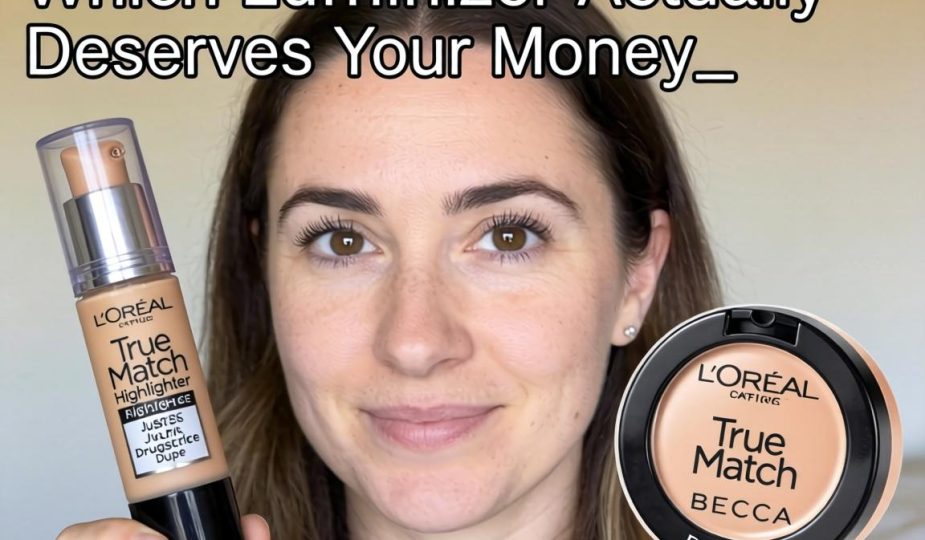
Which Luminizer Actually Deserves Your Money_ Is L’Oréal True Match Highlighter Just a Drugstore Dupe or Does Becca’s Cult Classic Still Hold the Crown_
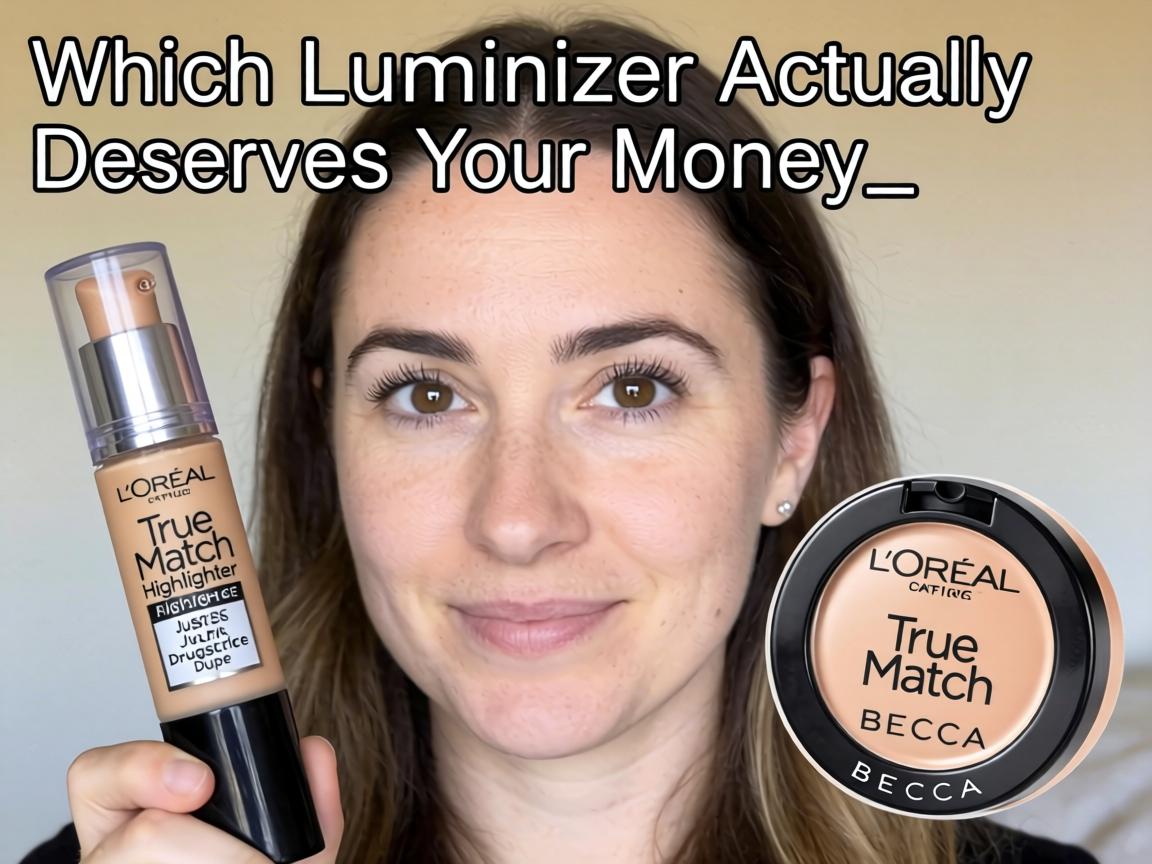
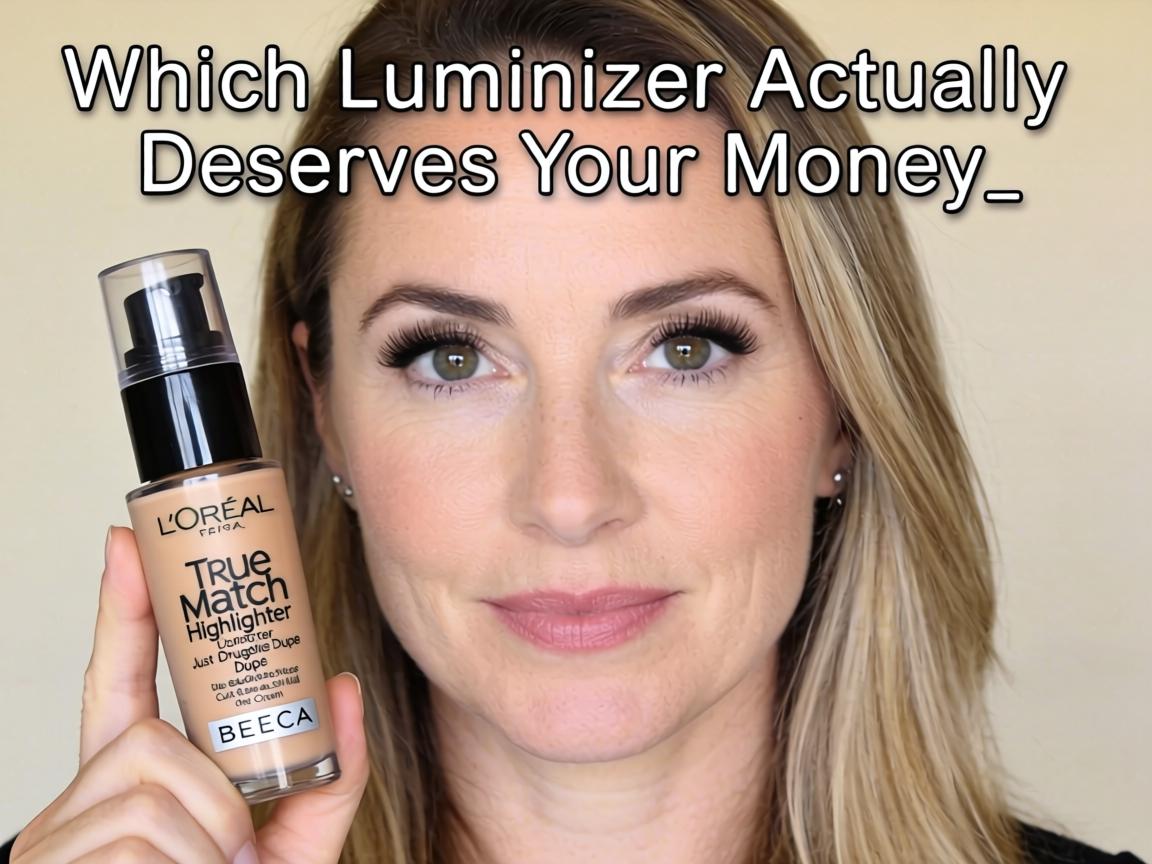
So here’s the thing—I’ve been staring at my makeup drawer for like, twenty minutes now, trying to figure out why I own six different highlighters when I literally use maybe two. But when we are talking about that glass-skin glow that doesn’t look like you dipped your face in glitter, the conversation always circles back to these two. L’Oréal True Match Lumi Glow Nude Highlighter versus Becca Shimmering Skin Perfector Pressed. Yeah, I know, Becca discontinued their line (RIP to a legend), but you can still find it floating around on resale sites and in remaining stock, which is why this comparison still matters in 2024.Let me walk you through what I’ve actually noticed using both, because I think a lot of reviews out there are just… I don’t know, too clean? Too structured? Nobody talks like that in real life.First, the texture situation.
Becca’s formula was always this buttery, almost creamy powder that melted into skin. When you swatch it, there’s this immediate “oh, that’s expensive” feeling. L’Oréal’s True Match is… different. Not bad different, just drugstore different. It’s slightly more powdery, a bit more kick-up-in-the-pan when you dip your brush. But here’s where it gets interesting—once it’s on your face? The difference becomes way less obvious than you’d expect.I made a quick comparison table because honestly, my brain works better when things are laid out side by side:
| Feature | Becca SSP Pressed | L’Oréal True Match Lumi |
|---|---|---|
| Texture | Creamy, almost wet-feeling | Softer powder, slightly drier |
| Blendability | Melts into skin effortlessly | Needs 2-3 more seconds of blending |
| Shade range | 10+ shades, very nuanced | 4-5 shades, more basic |
| Price point | $38 (when available) | $10-12 |
| Longevity on skin | 8-10 hours | 6-7 hours |
| Intensity | Buildable but naturally intense | More subtle, buildable |
But some friends want to know—does the price difference actually reflect quality? Or are we just paying for the brand name and that gorgeous packaging Becca always had?Let’s keep reading below!The shade question is where I get personally frustrated.
Becca had this incredible range where even their “light” shades had depth—like, Champagne Pop worked on so many skin tones because it wasn’t just white shimmer with peach undertones. It was complex. L’Oréal’s True Match in “Golden” or “Rose” are… fine. They’re fine. They’re exactly what you’d expect from a drugstore highlighter. They do the job. But when you’re standing in different lighting—bathroom versus natural window light—you notice L’Oréal can look slightly flat where Becca would catch the light from multiple angles.That said, I bring you this detailed setup methods, let’s take a look at how I actually use both. With Becca, I could literally tap once and blend with a finger. Done. Gorgeous. L’Oréal requires a bit more technique—I find it works better with a denser brush, something like a small fan brush or even a blush brush if you want that diffused glow. The blogger often uses a damp beauty sponge with powder highlighters, and honestly? That changes the game for L’Oréal. It becomes this hybrid cream-powder situation that lasts way longer.Here’s a core question I asked myself:
If Becca is discontinued and getting harder to find, is L’Oréal actually a replacement or just a temporary substitute?Well. It depends on what you’re mourning about Becca. If you loved the intensity—that “I just got back from vacation and my cheekbones are reflecting the sun” vibe—L’Oréal might disappoint you slightly. It’s more… polite? Office-appropriate? Your grandmother won’t ask why you’re “so shiny today.” But if what you appreciated about Becca was the lack of glitter chunks, the refined finish, then L’Oréal actually delivers shockingly close to that experience.Another thing I keep thinking about: Becca’s highlighters were often infused with their “liquid” technology or whatever marketing called it, which made them almost skincare-adjacent in how they sat on the skin. L’Oréal doesn’t have that marketing story, but practically? My skin doesn’t look textured or emphasized with either product. Both are forgiving on pores, which is the real test for any highlighter over 30.What about the glow itself?
Becca had this prismatic quality—like, you turned your head and saw pink, gold, and champagne all dancing together. L’Oréal is more straightforward. You get what you see in the pan. There’s less complexity, less of that “lit from within” magic that made Becca so Instagram-famous. But for everyday wear? That simplicity might actually be preferable. You don’t always want to look like a walking ring light.I should mention, because this matters to some people—the scent. Becca had this subtle vanilla-ish smell that felt luxurious. L’Oréal smells like… powder. Like makeup. Not unpleasant, just not an experience.So where do I land on this?
Honestly, if you have Becca stockpiled or can find it for reasonable resale prices (under $25, let’s say), it’s still worth grabbing for special occasions. The formula was genuinely innovative for its time. But L’Oréal True Match isn’t the compromise you might expect it to be. It’s 80% of the experience at 25% of the price, and for most daily makeup routines, that’s more than sufficient.What should we do if we’re trying to choose right now? I’d say—consider your skin type first. Dry skin might prefer Becca’s creamier texture (or need to use that damp sponge trick with L’Oréal). Oily skin might actually prefer L’Oréal’s drier formula since it won’t slide around as much. Consider your makeup philosophy too. Are you building a curated collection of exceptional pieces, or do you want reliable workhorses that you won’t cry over if you drop them in the sink?Hope this helps you figure out where your money should actually go. The highlighter market is oversaturated, but these two represent a interesting crossroads between prestige heritage and accessible quality. Sometimes the drugstore option isn’t just “good for the price”—it’s just good, period. Other times, you miss what the expensive thing gave you in terms of experience and finish. This comparison falls somewhere in that messy middle, which is probably why I’ve kept both in my rotation longer than I expected to.