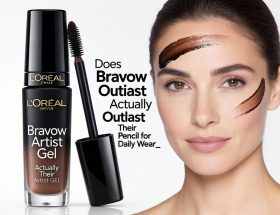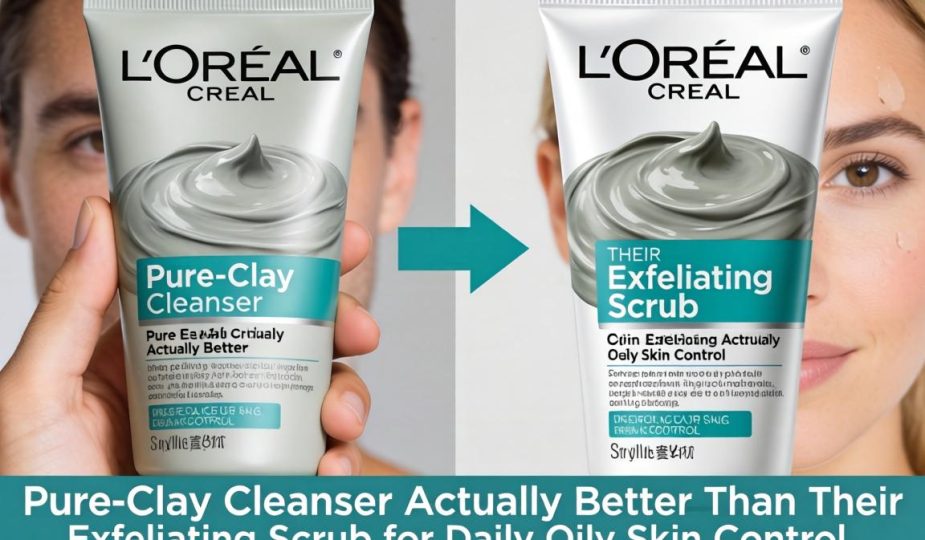
Is L’Oréal’s Pure-Clay Cleanser Actually Better Than Their Exfoliating Scrub for Daily Oily Skin Control_
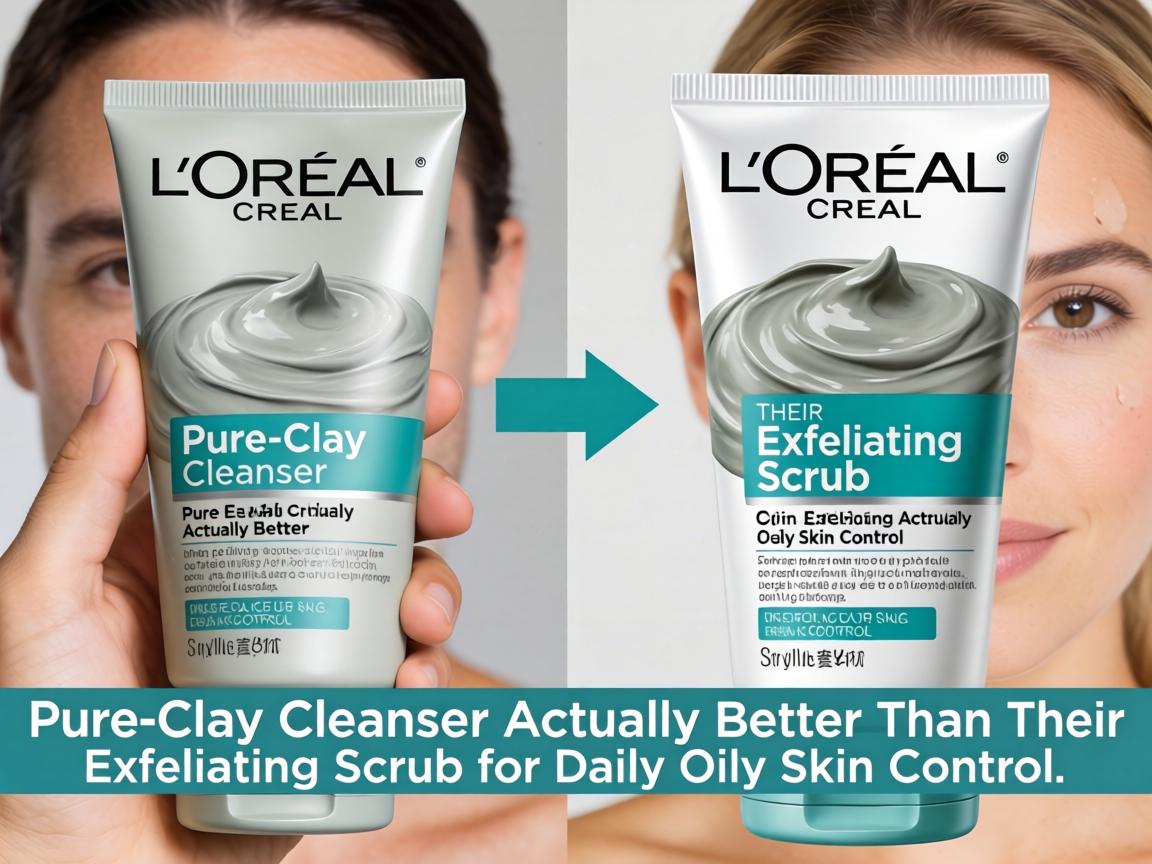
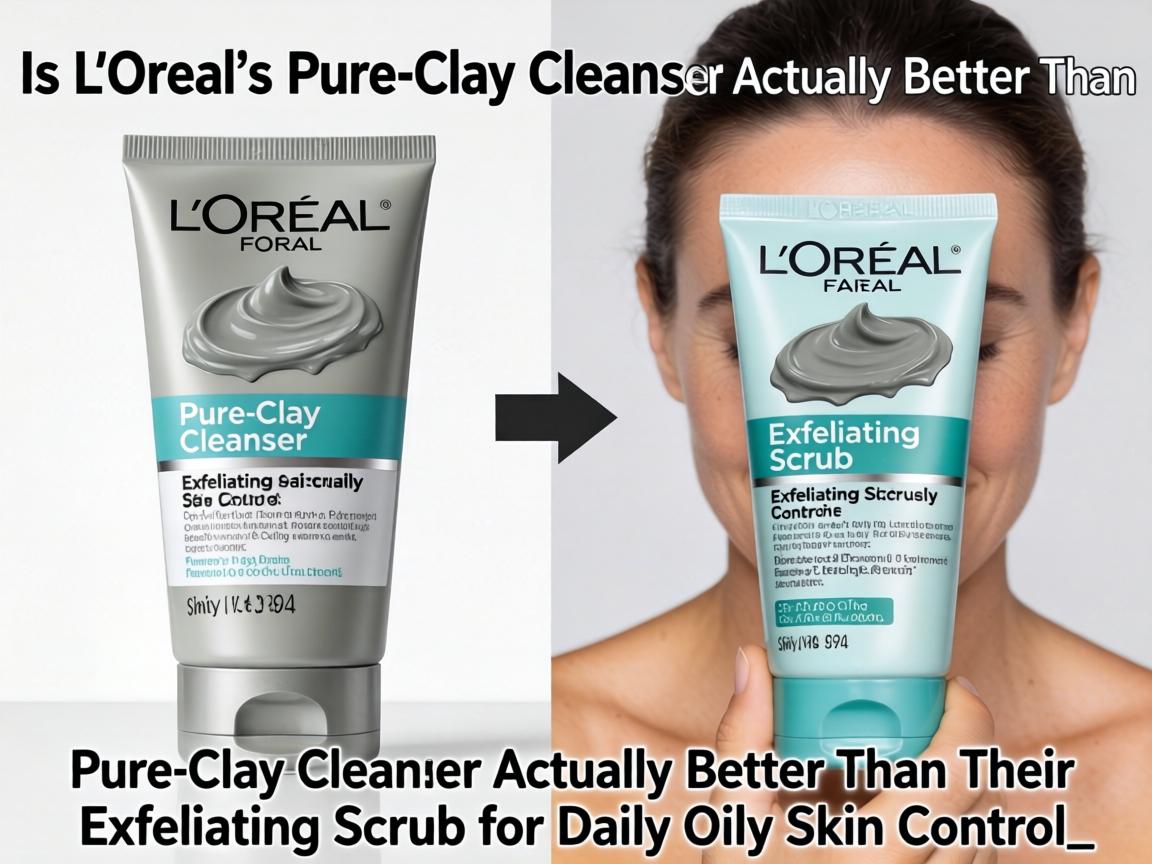
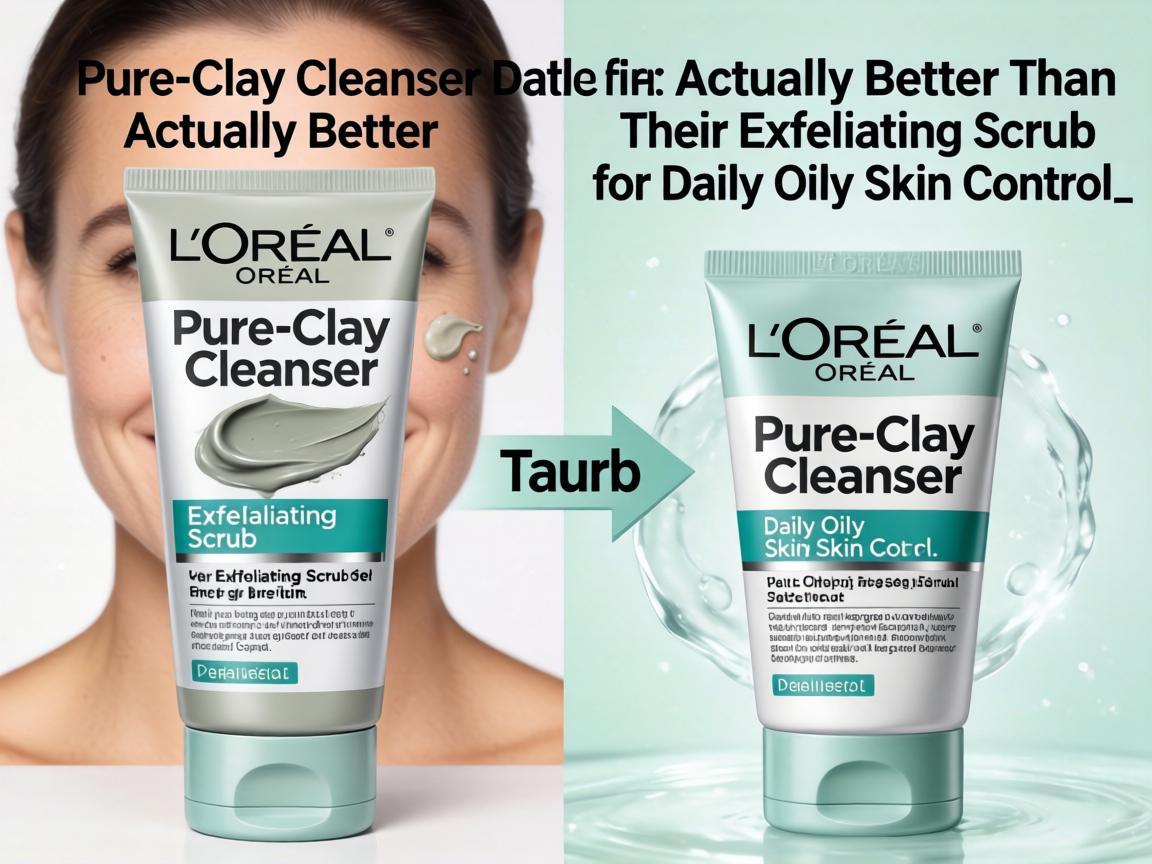
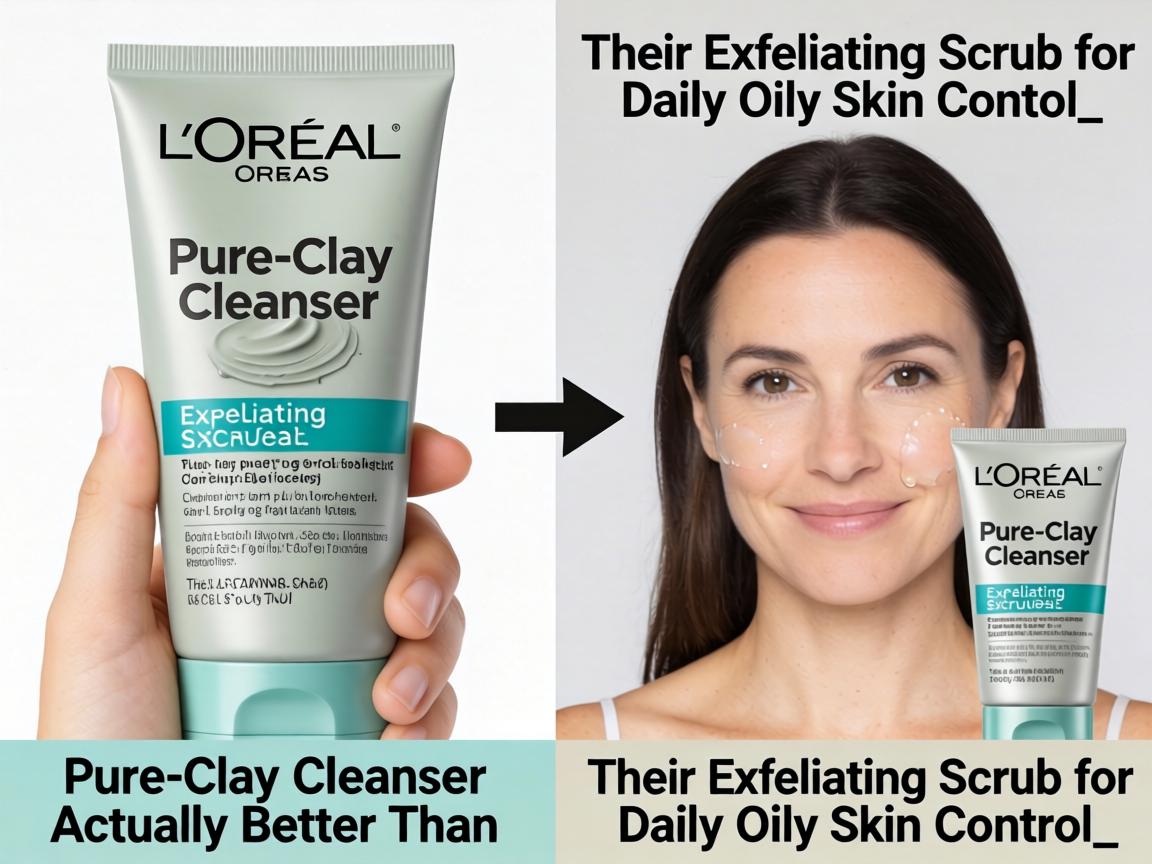
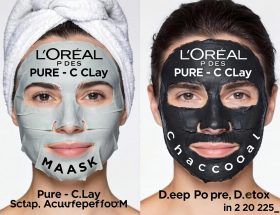
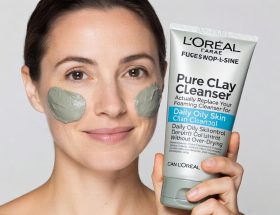
So here’s the thing—when you’re standing in that drugstore aisle staring at these two nearly identical tubes, both promising to “detoxify” and “refine” your pores using the same three-clay blend, you start wondering if L’Oréal is just selling you the same product twice with different labels. I mean, kaolin, montmorillonite, and Moroccan lava clay show up in both formulas. The cleanser is marketed for daily purification, the exfoliator for weekly deep cleaning. But does that distinction actually hold up when you’re using them on real skin for months?I grabbed both about four months ago when my T-zone started acting up again—classic combination skin drama where your cheeks feel like parchment but your forehead could fry an egg by noon. The Detox & Brighten Cleanser comes in that charcoal-gray squeeze tube, while the Exfoliate & Refine version leans more reddish-brown and contains those tiny physical scrub particles. Price-wise, you’re looking at roughly the same ballpark—usually $6.99 to $9.99 depending on whether Ulta is running one of their frequent BOGO deals.First Impressions: Texture Tells a Different Story
When you actually get these home and start using them, the differences become obvious pretty fast. The cleanser has this weird runny consistency—like, almost too liquidy. When you squeeze the tube, more comes out than you actually need, which is kind of annoying because you’re wasting product until you learn to control the pressure. It transforms into a light mousse when you add water, but honestly? It doesn’t foam up the way traditional gel cleansers do. More like a creamy gray sludge that spreads across your face.The exfoliating scrub, on the other hand, feels substantially thicker. Those micro-beads—apparently made from corn starch and other gentle abrasives—are suspended in a denser clay base. You can feel the grit immediately, though it’s not harsh like those walnut shell scrubs that used to tear up everyone’s face in the early 2000s. The red algae extract gives it that distinctive brick-red color that some people find off-putting, but I kind of like knowing exactly where I’ve applied it.The Core Question: Can You Use the Exfoliator Daily Instead of the Cleanser?
This is where it gets interesting. The packaging says the scrub is for “weekly” use while the cleanser is “daily.” But when you’re dealing with persistent blackheads on your nose and that rough texture on your chin that just won’t quit, the temptation to use the scrub more frequently is real.Here’s what I discovered through trial and error—and yeah, I definitely over-exfoliated for a week and paid the price with some irritation. The exfoliator contains salicylic acid alongside those physical particles, which means you’re getting both mechanical and chemical exfoliation in one go. Using it daily stripped my moisture barrier enough that my skin started producing more oil to compensate, which is the exact opposite of what I wanted.The cleanser, despite its runny texture, actually does a decent job of daily oil control without that stripping sensation. It contains charcoal for absorption, and while it won’t physically scrub away dead skin, it seems to prevent the buildup that leads to clogged pores in the first place. I noticed fewer new blackheads forming when I stuck to the cleanser twice daily and reserved the scrub for twice-weekly sessions.Performance Breakdown: What Each One Actually Delivers
| Feature | Pure-Clay Cleanser (Detox & Brighten) | Pure-Clay Exfoliating Scrub |
|---|---|---|
| Primary Function | Daily oil absorption, surface purification | Physical + chemical exfoliation, pore unclogging |
| Texture | Runny gel-to-mousse, no particles | Thick paste with fine grit |
| Best For | Oily to combination skin, daily maintenance | Rough texture, visible blackheads, weekly reset |
| Frequency | Twice daily (AM/PM) | 2-3 times weekly max |
| Key Additives | Charcoal for detox | Red algae + salicylic acid |
| Downside | Messy application, heavy fragrance | Can over-exfoliate if used too often |
The Hidden Issue Nobody Talks About
Okay, so both of these products have the same major flaw that I haven’t seen mentioned much in reviews—the fragrance is intense. Like, old-school perfumed skincare intense. The cleanser has this almost masculine cologne scent that lingers longer than you’d expect for a face wash. If you’re sensitive to fragrance or dealing with any kind of reactive skin, this could be a dealbreaker regardless of how well the clays work.Another thing? The cleanser leaves residue. Not on your face—your face feels clean—but in your sink. That charcoal-gray color stains porcelain if you don’t rinse it immediately. I’ve had to scrub my bathroom sink way more often since introducing this into my routine. Small annoyance, but worth knowing before you buy.Real Talk: Which One Should You Actually Buy?
If I had to pick just one—and honestly, most people probably should start with one rather than buying both—the decision comes down to your primary skin concern.Are you dealing with consistent excess oil and want something to keep shine at bay throughout the day? The cleanser makes more sense as your daily workhorse. It won’t give you that immediate “just scrubbed” smoothness, but it maintains clarity without the irritation risk.However, if your main issue is texture—those stubborn closed comedones on your forehead, the rough patches that make makeup sit weird—the exfoliator delivers more visible results per use. You just have to be disciplined about not overusing it, which is harder than it sounds when you’re chasing that post-scrub glow.The Verdict From Four Months of Alternating Use
Here’s my personal take after using both consistently: they’re designed to work together, not compete. The cleanser handles daily maintenance and oil control, preventing new congestion from forming. The exfoliator tackles existing buildup and keeps your skin texture smooth. Using only the cleanser leaves you wanting more refinement; using only the scrub leaves you vulnerable to over-exfoliation and barrier damage.That said, if budget forces a choice, I’d lean toward the cleanser for oily skin types and the scrub for normal-to-combination folks who just need periodic deep cleaning. The cleanser’s daily utility gives it more value per dollar over time, even if the scrub feels more satisfying in the moment.One final note—both products claim to “tighten pores,” which is marketing speak you should basically ignore. Pores don’t actually shrink; they just look smaller when they’re clean and not clogged with sebum. Both products achieve this temporary effect, but neither is performing miracles on your pore structure.