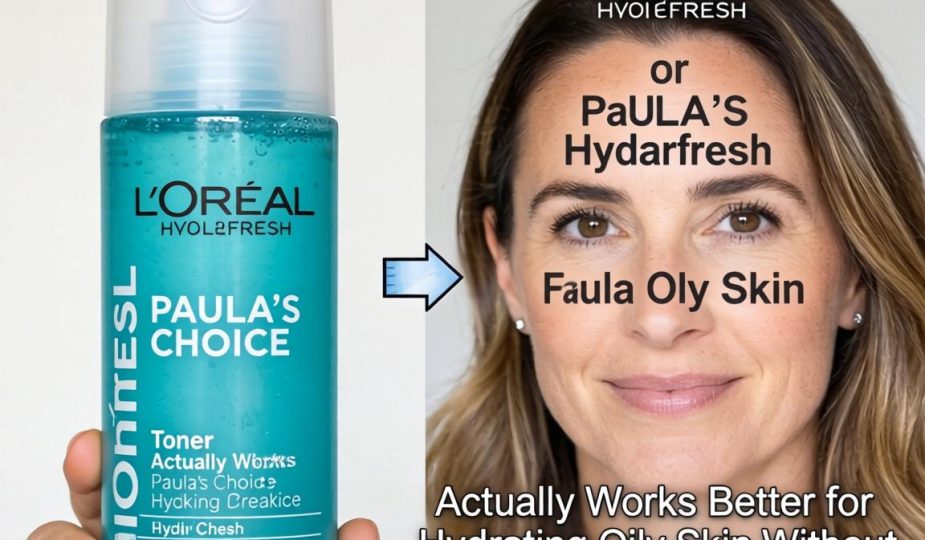
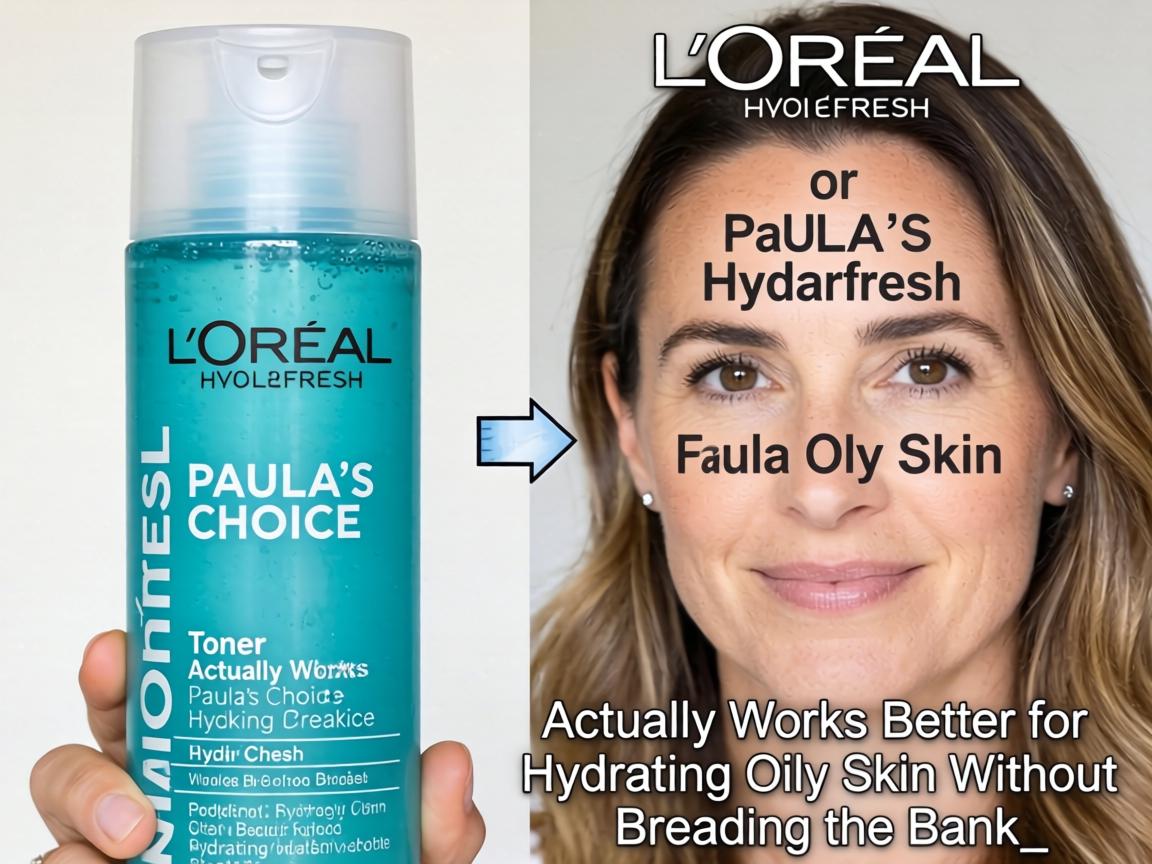
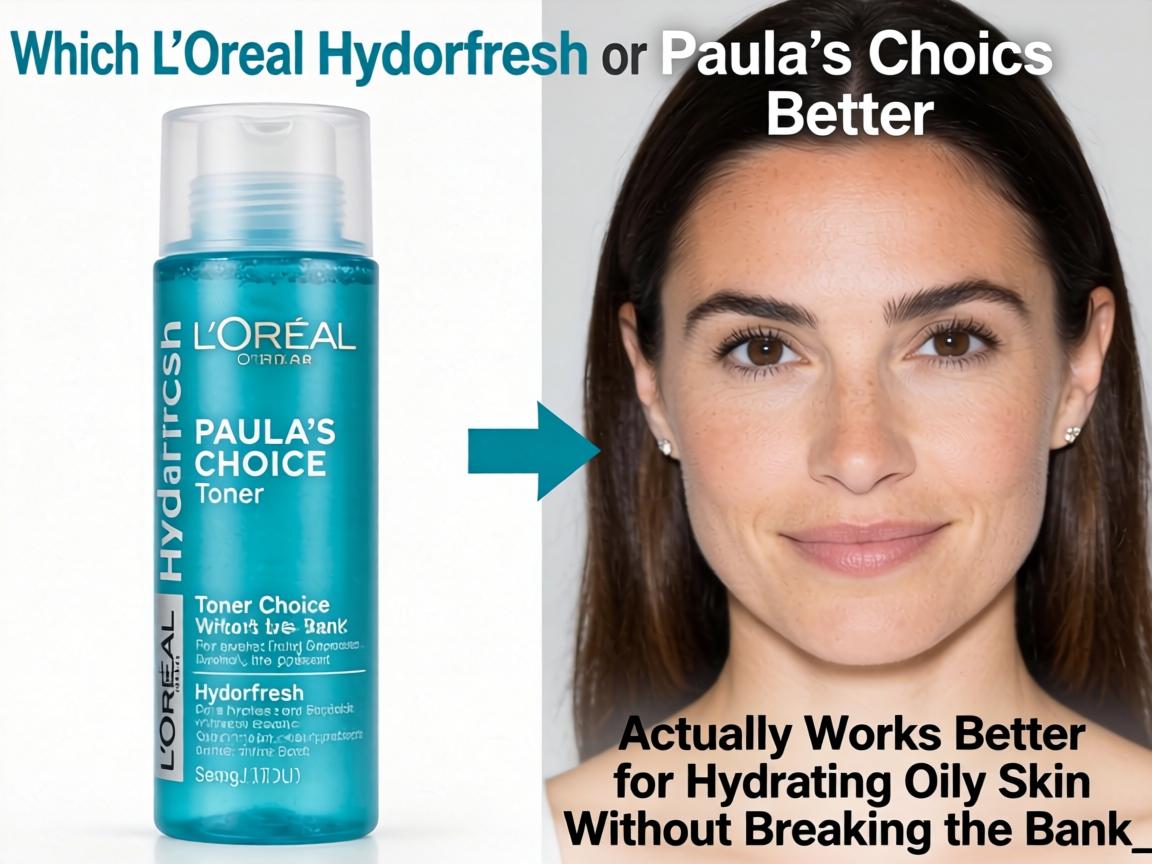
Which L’Oréal Hydrafresh or Paula’s Choice Toner Actually Works Better for Hydrating Oily Skin Without Breaking the Bank_
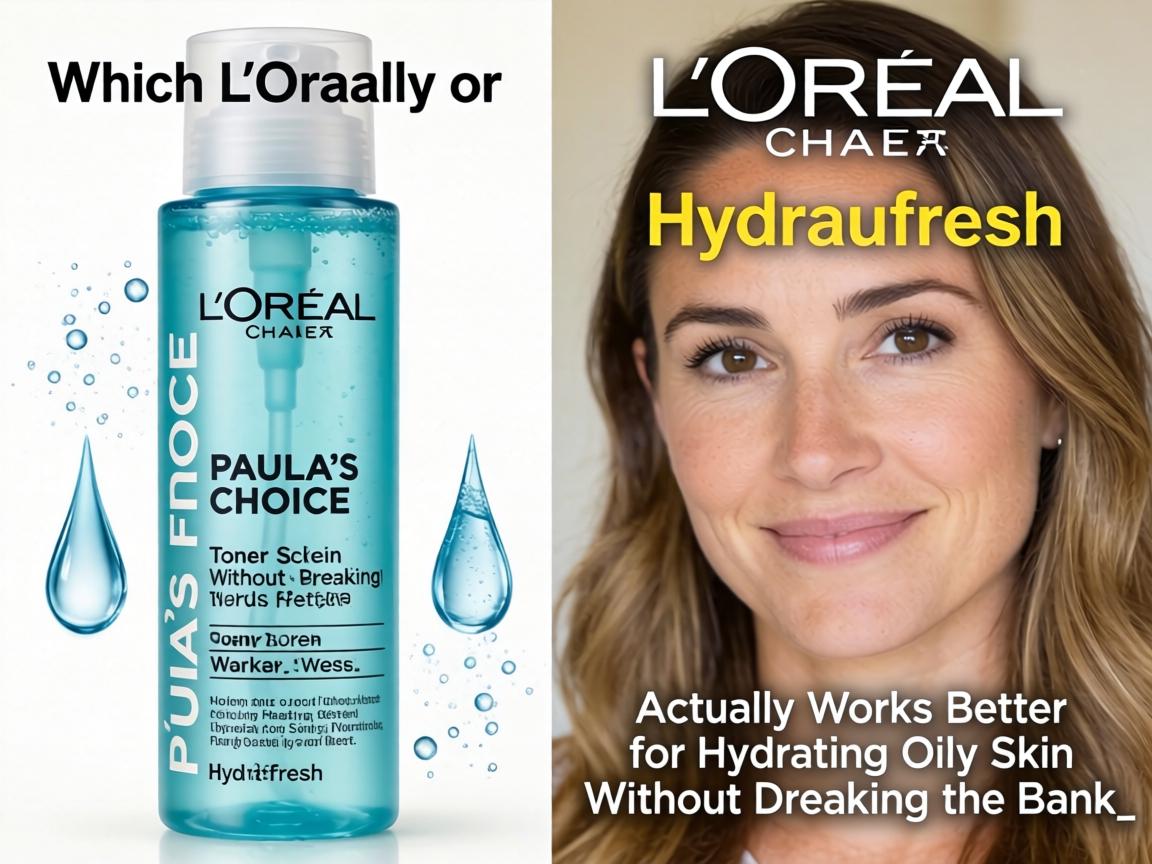
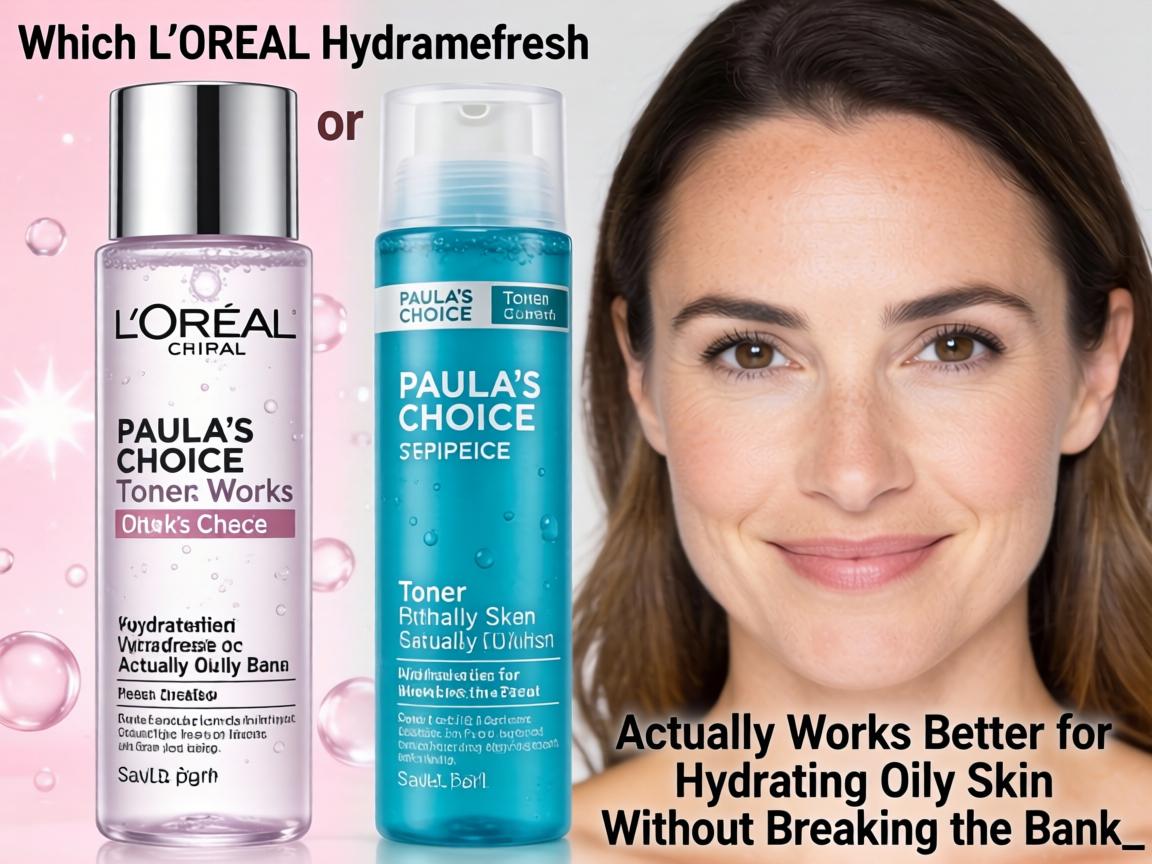
Ever stood in front of that skincare aisle, staring at two bottles that promise basically the same thing—hydration, balance, that fresh-skin feeling—and thought, “why is one $15 and the other $35? Are they even that different?” Yeah, me too. Last month I finished my third bottle of L’Oréal Hydrafresh and finally caved, bought Paula’s Choice Skin Balancing Pore-Reducing Toner because everyone on Reddit kept saying it was “life-changing.” So now I’m sitting here with half-used bottles of both, and honestly? The comparison isn’t as straightforward as those skincare influencers make it sound.Let me walk you through what actually happened when I used these side by side for six weeks.What Are We Even Comparing Here?
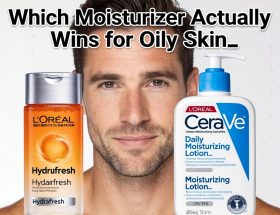
First off, let’s get the basics straight. L’Oréal Hydrafresh—this is the one in the clear bottle with the blue cap, smells like cucumbers and that generic “fresh” scent. It’s marketed as a “hydrating toner” with hyaluronic acid, supposed to prep your skin before serum. Paula’s Choice Skin Balancing toner is the big purple bottle, claims to minimize pores while hydrating, packed with niacinamide and antioxidants.I started using L’Oréal on my T-zone mornings, Paula’s at night. Then switched them around. Then used just one for a week, then the other. Here’s what I noticed.The Texture Question—Does It Actually Sink In?
This is where things get weird. L’Oréal Hydrafresh feels… watery. Like, almost too watery? You pour it on cotton, swipe, and it’s gone in seconds. Some friends want that immediate “nothing on my face” feeling, and this delivers. But here’s the thing—sometimes I wondered if it was doing anything at all, or if I was just wiping my face with fancy water.Paula’s Choice has more body to it. Slightly slippery, takes maybe 10-15 seconds longer to absorb. Not sticky though, which surprised me because I hate that tacky feeling some toners leave. When I used it at night, by morning my forehead wasn’t greasy. That never happened with Hydrafresh alone.Let’s Keep Reading Below for the Ingredient Breakdown
Okay so, ingredients. Everyone talks about this but few actually explain what matters.L’Oréal Hydrafresh key stuff:
- Hyaluronic acid (but it’s pretty low on the list, meaning not much concentration)
- Pro-vitamin B5
- Some plant extracts that smell nice
Paula’s Choice key stuff:
- Niacinamide (this is the star, apparently helps with oil production and pores)
- Hyaluronic acid (also present, but again, not the main event)
- Chamomile and green tea extracts
I looked up what niacinamide actually does because I kept seeing it everywhere. Turns out it’s one of those ingredients with actual studies behind it—not just marketing fluff. Helps regulate sebum, which explains why my nose stopped looking like a oil slick by noon when I used Paula’s consistently.But here’s a thought jump—does that mean Paula’s is automatically better? Not really. Because my sister tried both, has dry skin, and hated Paula’s. Said it made her cheeks feel tight. Hydrafresh worked better for her. So “better” depends on what your skin is doing, you know?The Price Reality Check
Let’s talk money because this matters. L’Oréal Hydrafresh runs about $12-15 for 200ml. Paula’s Choice is $35-38 for 190ml. That’s… that’s more than double. For slightly less product.When you’re using toner twice daily, that price difference adds up fast. I calculated it—roughly $90 more per year if you go Paula’s Choice route. Is the niacinamide worth ninety bucks?I asked myself this for like a week. Here’s where I landed: if you’re struggling with visible pores and midday shine, maybe. If you just want basic hydration prep before your moisturizer, probably not. The blogger often uses drugstore toners for that “in-between step” and saves the expensive stuff for actives like retinol or vitamin C. Makes sense when you think about it.The Unexpected Discovery—pH Levels Matter?
So I went down a rabbit hole one night, reading about skin pH. Apparently healthy skin sits around 5.5, slightly acidic. Toners that mess with this can actually cause more oil production as your skin tries to rebalance itself.Couldn’t find pH info for L’Oréal anywhere—not on the bottle, not on their website. Emailed them, got some generic response about “dermatologically tested.” Cool, thanks.Paula’s Choice actually lists their pH: 6. Which is slightly more neutral than ideal, but closer than some alkaline toners I’ve tried. Does this matter in real life? Hard to say without testing strips, but my skin didn’t freak out with either, so maybe I’m overthinking it.What About When You’re Traveling or Just Lazy?
Travel-size comparison: L’Oréal doesn’t make one, you have to decant. Paula’s sells a travel size for $12, which is convenient but also… $12 for like 60ml? That’s expensive per ml.For the “I just want to swipe and go” mornings, both work fine. Neither requires waiting time before next steps. Neither pills up under sunscreen or makeup. That basic functionality? They tie.The Verdict—Or Rather, My Personal Split Decision
After six weeks, I’m not using just one. Sounds like a cop-out, but hear me.When I use L’Oréal Hydrafresh:
- Morning rush, just need something before moisturizer
- Skin feels normal, not particularly oily or dry
- Budget month (which is… most months)
When I reach for Paula’s Choice:
- Night routine, when I have time to layer properly
- During that hormonal week when my chin gets congested
- When I notice my pores looking particularly obvious in bathroom lighting
Final thoughts, guys:
Paula’s Choice delivers on its specific promises—pore appearance, oil control, that “refined” skin texture. But it’s not magically transformative. If you’re expecting glass skin from a toner, you’ll be disappointed by both. L’Oréal Hydrafresh is perfectly adequate hydration prep. Not exciting, not revolutionary, but it works and your wallet doesn’t cry.Hope this helps you figure out where to spend your money. For most people starting out? Grab the L’Oréal, see if you even like using toner daily. If you do, and you hit specific issues like persistent oiliness, then consider upgrading. This way you can build a routine without blowing your budget on products that might not fit your skin anyway.