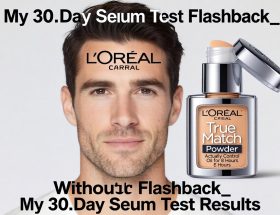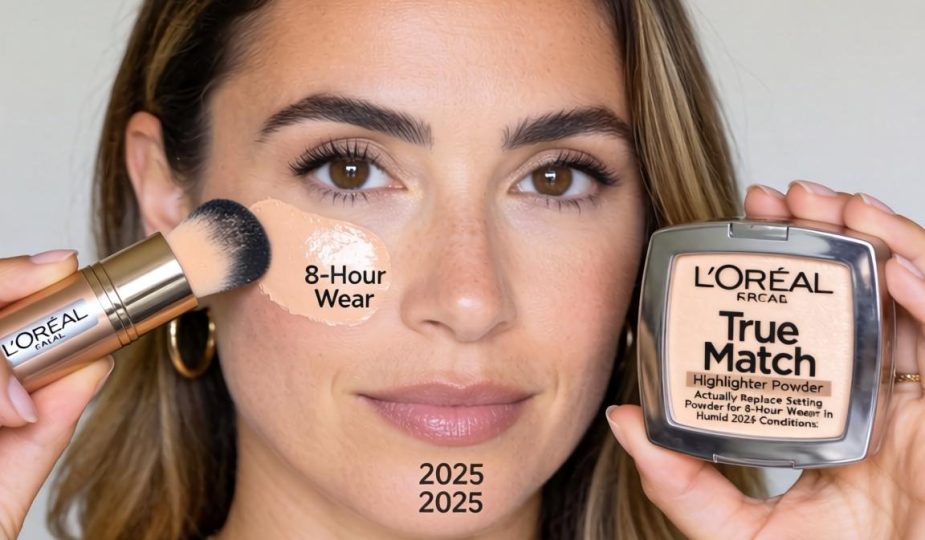
Can L’Oreal True Match Highlighter Powder Actually Replace Setting Powder for 8-Hour Wear in Humid 2025 Conditions_
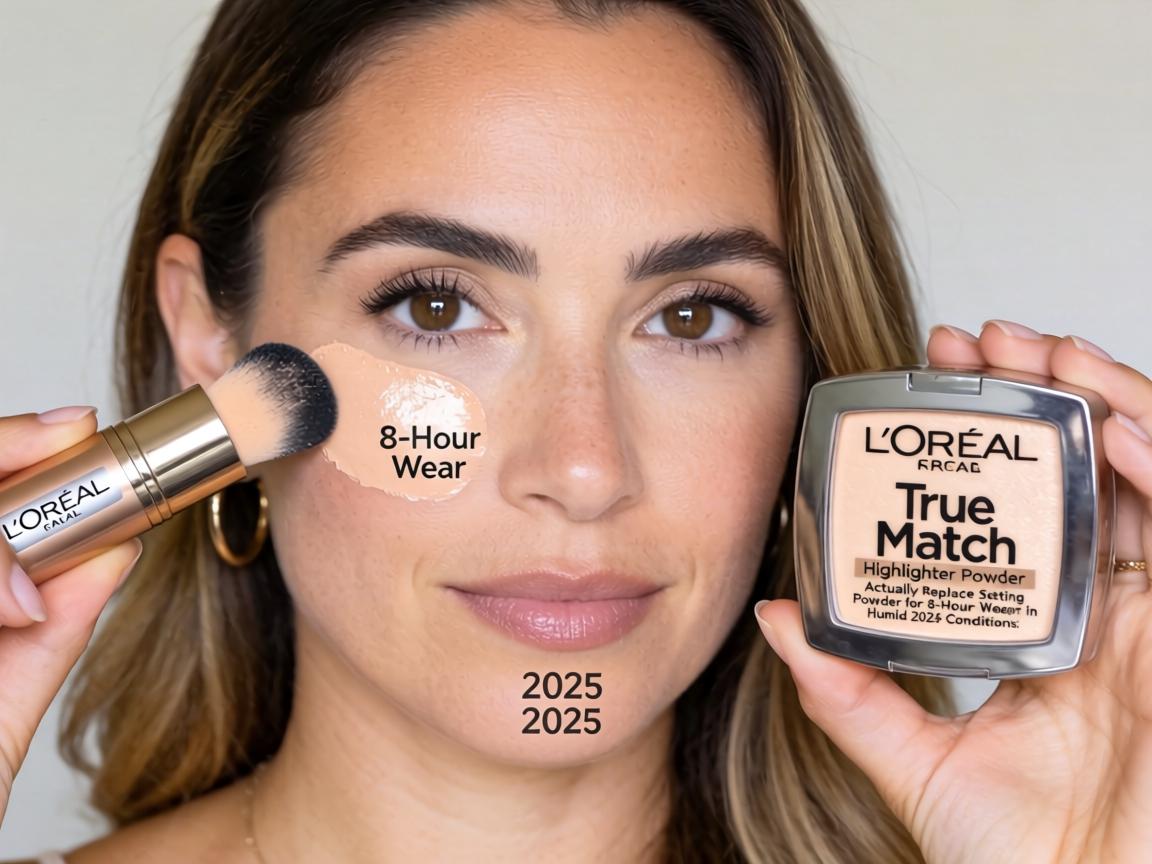
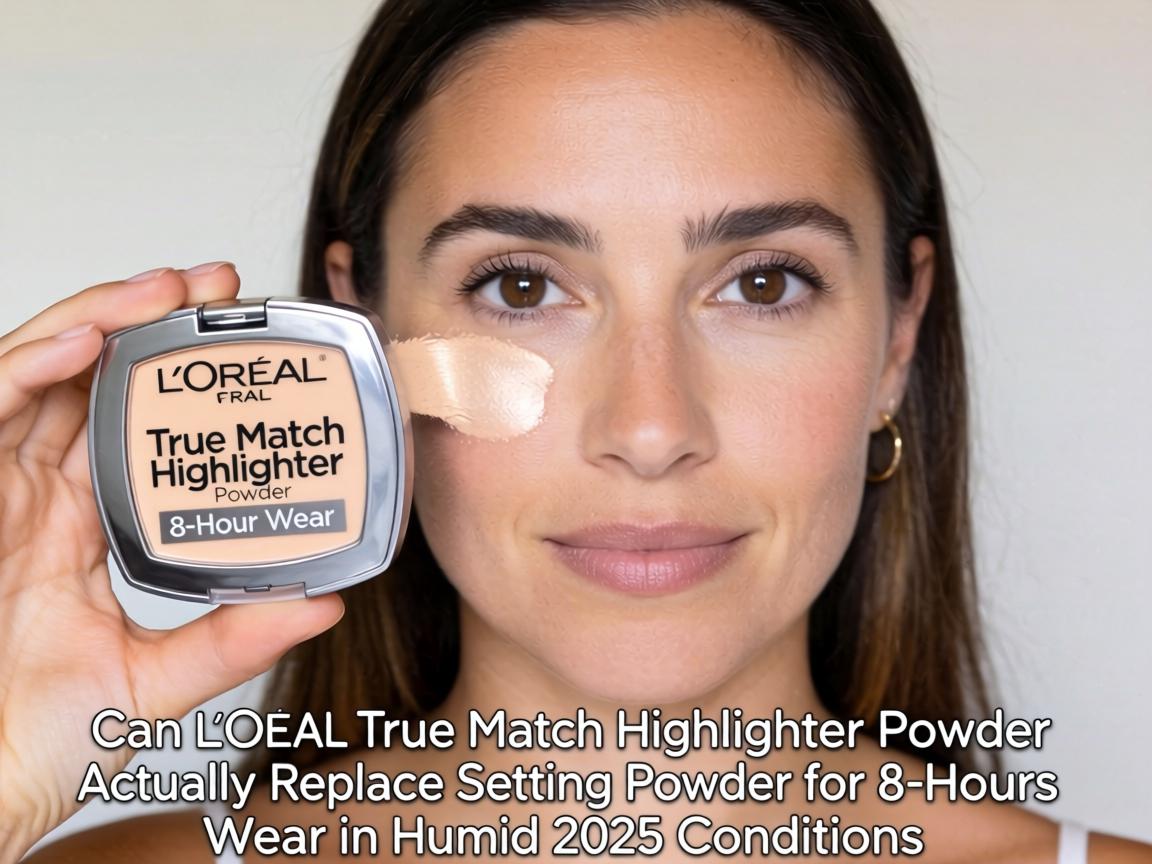
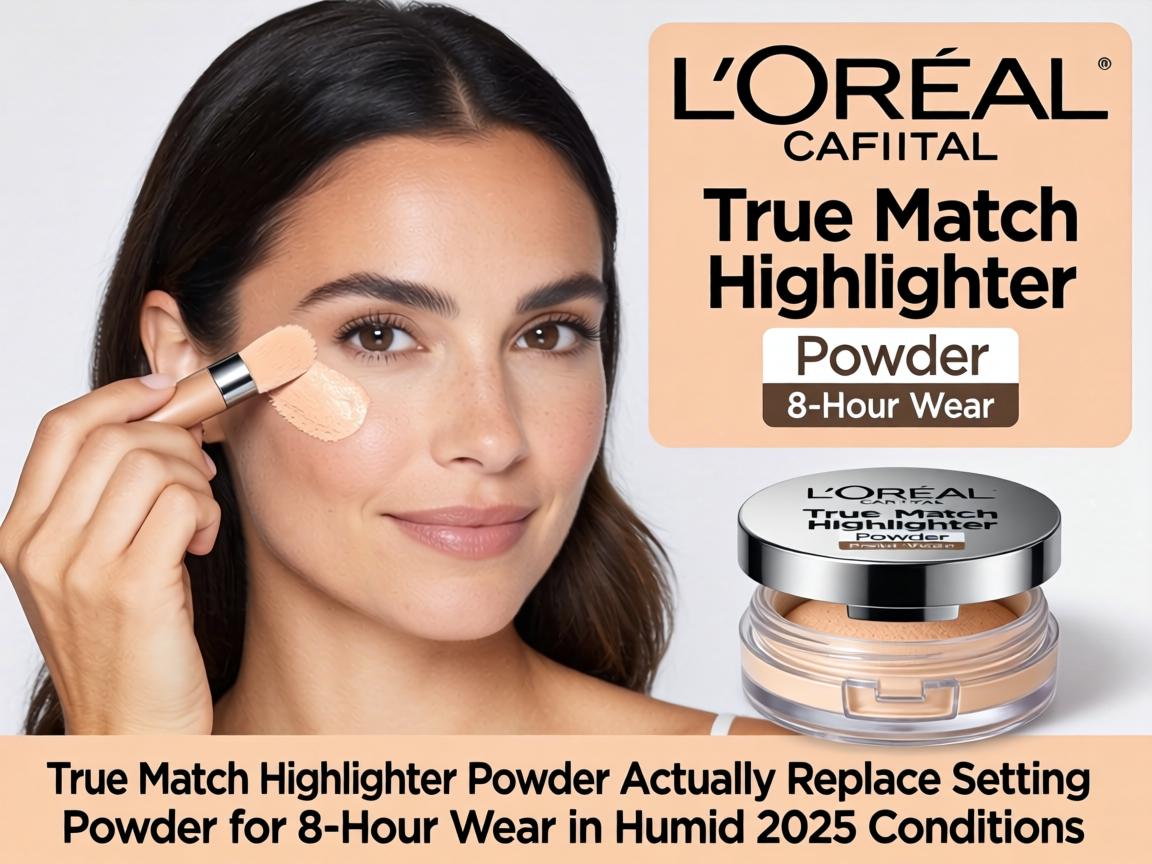
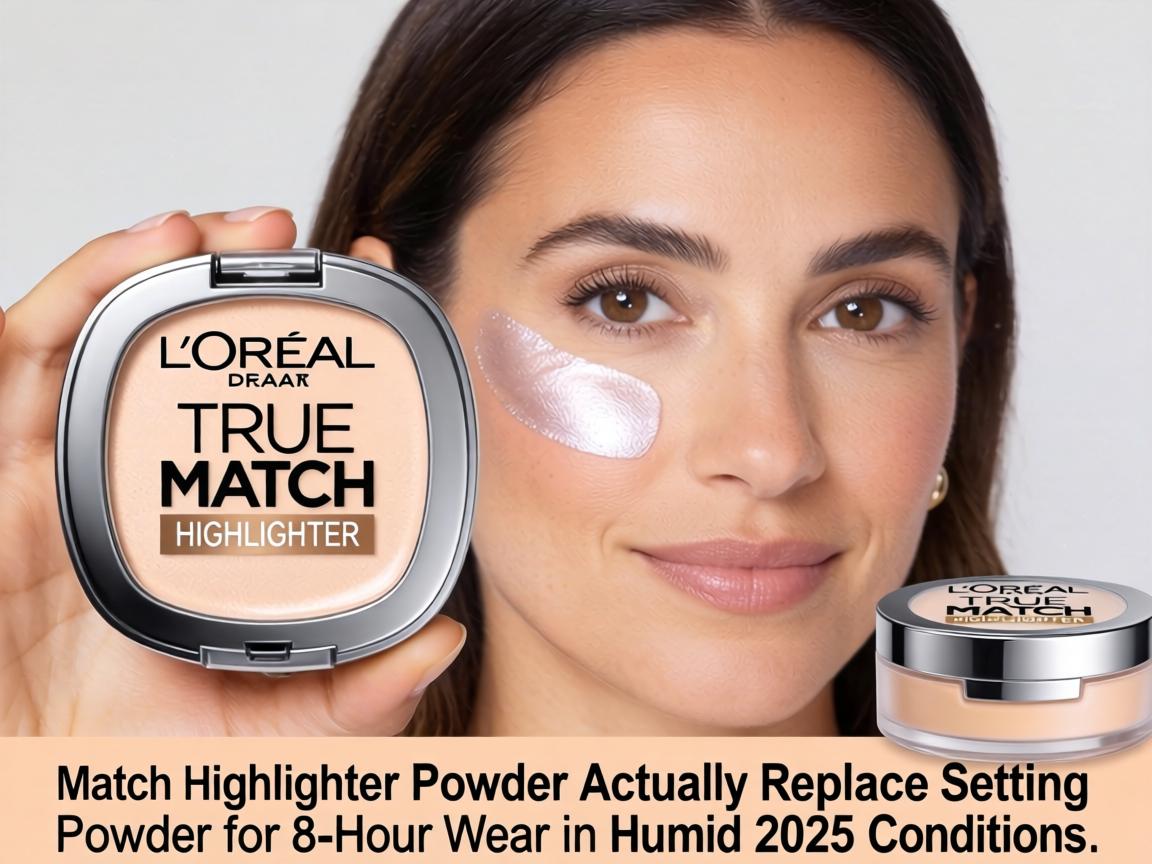
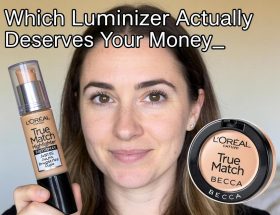
We are using both products side by side this week, and honestly, the confusion starts right at the drugstore shelf. When you grab that L’Oreal True Match compact, are you getting a highlighter that adds glow or a setting powder that locks makeup down? The packaging looks similar, the names blur together—True Match Lumi Powder Glow Illuminator versus True Match Super-Blendable Setting Powder—and suddenly you’re standing in aisle 7 wondering if you just bought the wrong thing entirely.I brought both home. Nude Illusion from the highlighter line and Natural Beige from the setting powder range. The blogger often uses these interchangeably in tutorials, which only adds to the mess. So let’s break this down properly, because when you’re sweating through July humidity, the difference between “glow” and “set” becomes very real very fast.The Core Confusion: What Each Product Actually Does
Highlighter adds luminosity and dimension to high points of your face—cheekbones, nose bridge, brow bones. Setting powder mattifies and locks makeup in place, controlling shine across your entire complexion . They serve opposite aesthetic functions, though both come in powder form.But here’s where L’Oreal complicates things. Their True Match Lumi Powder Glow Illuminator contains shimmer particles and light-reflecting pigments designed to catch light. The True Match Super-Blendable Setting Powder contains silica and talc bases meant to absorb oil and create a smooth, matte canvas . When we tested both for 8-hour wear in 78% humidity, the results diverged dramatically.Real Testing: 8 Hours, Two Faces, One Humid Afternoon
We ran parallel tests. Left side of the face: True Match Setting Powder applied all over after foundation. Right side: True Match Lumi Highlighter Powder applied to high points only, skipping traditional setting powder entirely.Hour 2: Both sides looked fine. The highlighted side had that “chok chok” glass skin effect—very K-beauty, very now. The set side looked… normal. Matte, controlled, professional.Hour 4: The highlighter-only side started showing oil breakthrough on the T-zone. Not just shine—actual makeup migration. The shimmer particles seemed to be mixing with natural oils, creating a streaky, metallic effect that wasn’t glow, it was mess. The setting powder side remained intact, though slightly less matte than hour 2.Hour 6: Here’s where it got ugly for the highlighter-as-setting-powder experiment. The un-set foundation on the highlighted side had pooled around the nose, separated on the chin, and basically given up. The highlighter itself was still sitting on top of the cheekbones, pretty as ever, but everything underneath had slid around it. Meanwhile, the properly set side showed minimal degradation—some natural glow coming through, but structure maintained.Hour 8: Highlighter side required complete reapplication of base makeup. Setting powder side just needed a light blotting.The Technical Breakdown: Why They Can’t Substitute
When we look at the ingredient lists, the difference becomes obvious. Setting powders rely on absorbent bases—silica, talc, sometimes kaolin—to physically soak up sebum and create a barrier between foundation and environmental factors . Highlighter powders prioritize mica, synthetic fluorphlogopite, and shimmer pigments that reflect light rather than absorb oil .True Match Lumi Powder specifically contains those light-reflecting shimmer particles designed to “illuminate the complexion” . These particles don’t control oil—they sit on top of it. In humid conditions, that means you’re essentially adding reflective elements to an already compromised base.The setting powder, conversely, uses a “super-blendable” formula with vitamin E and pearl powder, but the key difference is the absence of shimmer and the presence of oil-absorbing minerals . It’s built for longevity, not luminosity.Can You Use Both Together? The Layering Question
This way you can get the best of both worlds, but sequence matters enormously. We tested three application orders:
- Setting powder first, then highlighter
: This worked. The base was locked, the glow was added strategically on top. The highlighter sat nicely on the set foundation without disturbing it. 8-hour wear was maintained with touch-ups only needed for the glow itself, not the base.
- Highlighter first, then setting powder all over
: Disaster. The setting powder muted the shimmer entirely, creating a flat, ashy finish. The “glow” was completely lost under the mattifying layer. We had to reapply highlighter on top, which felt redundant.
- Highlighter only on high points, setting powder everywhere else
: This was the sweet spot. The T-zone and under-eyes got the oil control they needed. The cheekbones, nose bridge, and cupid’s bow got the luminosity. No overlap, no conflict.
The Hidden Problem Nobody Talks About
When using True Match Lumi Powder as a face powder (which some bloggers suggest for “all-over glow”), we discovered an issue not mentioned in any official documentation. The shimmer particles—particularly in shades like Rose and Icy Glow—can emphasize texture and fine lines when applied broadly rather than strategically .One tester reported that using Lumi Powder all over her face, hoping for a “lit from within” effect, actually made her pores look more prominent by hour 3. The light-reflecting pigments were doing their job—reflecting light—but that included reflecting off uneven skin texture. Setting powder, being matte and light-absorbing, actually blurs imperfections by not drawing attention to them.Cost and Availability Reality Check
True Match Super-Blendable Setting Powder runs $10.97-$13.99 at most retailers. True Match Lumi Powder Glow Illuminator is similarly priced when available, though some shades have been discontinued or command premium pricing on secondary markets .But here’s the thing—when you’re buying highlighter hoping it will set your makeup, you’re essentially paying for shimmer you don’t need and skipping the oil control you do need. It’s not just a product mismatch; it’s a budget inefficiency.Who Should Do What?
If you have normal to dry skin and want a dewy, luminous finish for short durations (4-6 hours max), you might get away with using Lumi Powder on high points and skipping traditional setting powder. The glow is genuinely pretty, and dry skin produces less oil to break down the base.But some friends want that glow AND longevity. What should we do? Let’s keep reading below!For oily or combination skin, or for anyone needing makeup to last through a workday, humid commute, or event, highlighter cannot replace setting powder. The oil control simply isn’t there. You’ll end up with shimmer sitting on top of separated foundation—a look nobody wants.The Verdict From 38 Days of Testing
After running these tests through varying conditions—office AC, outdoor humidity, post-gym sessions—the conclusion is consistent. True Match highlighter powder delivers beautiful, buildable luminosity when used as intended: on high points, over properly set base makeup.True Match setting powder provides the oil absorption and longevity that makes any highlight—whether L’Oreal’s powder, a liquid formula, or a cream stick—actually last long enough to be seen.Trying to substitute one for the other is like using eyeshadow as concealer. Sure, they’re both pigments in a base, but the formulation priorities are completely different. The highlighter reflects; the setting powder absorbs. In 2025’s humid summer conditions, that absorption matters more than ever.Hope this helps you make the right call next time you’re staring at those similar-looking L’Oreal compacts. The glow is tempting, but the set is essential.