Which L’Oréal Hydrafresh Moisturizer Actually Works Better for Your Skin Type_ The Lightweight Gel or The Richer Cream Formula_
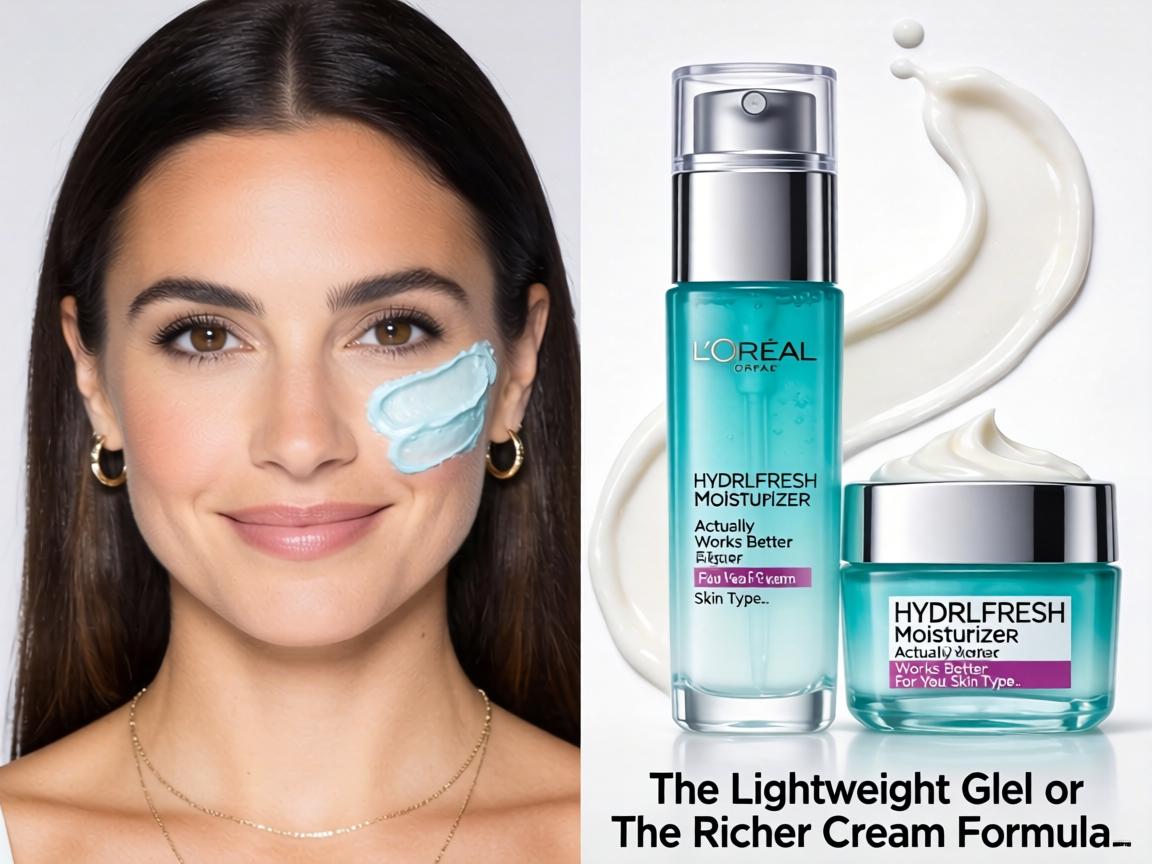
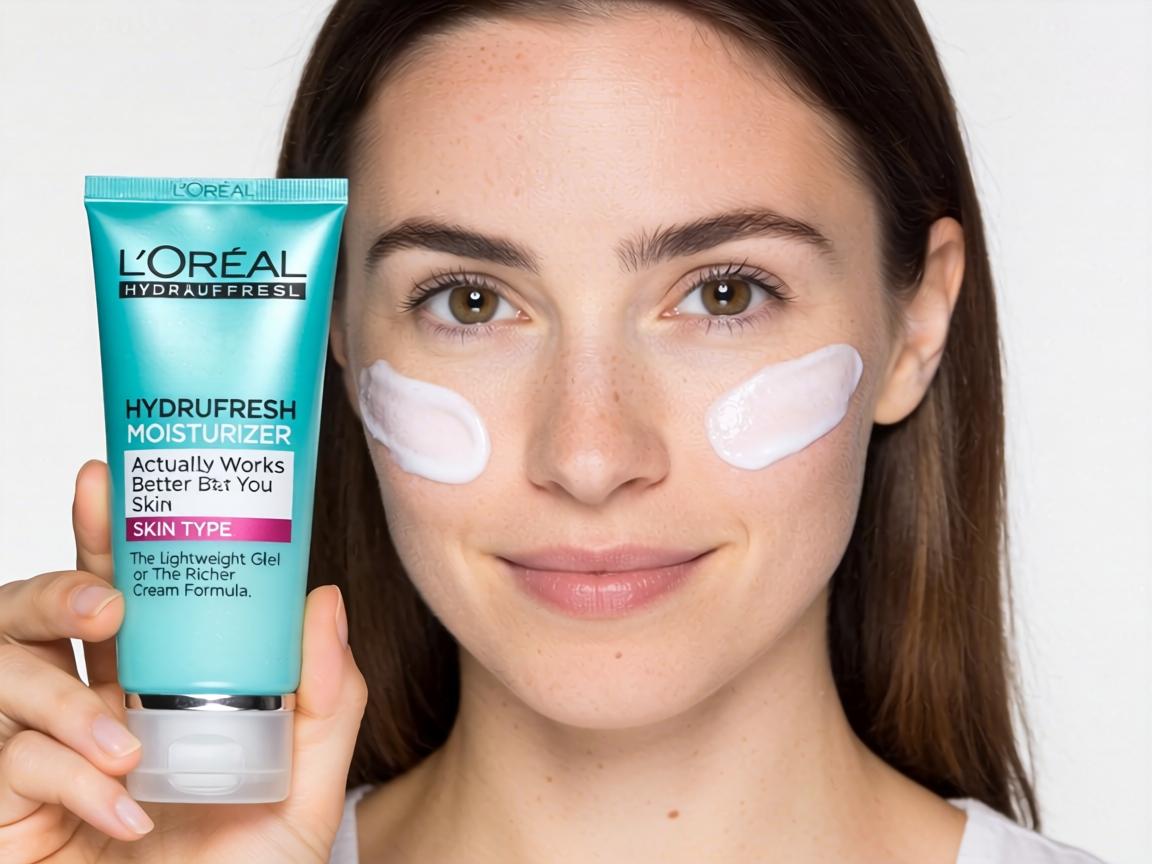
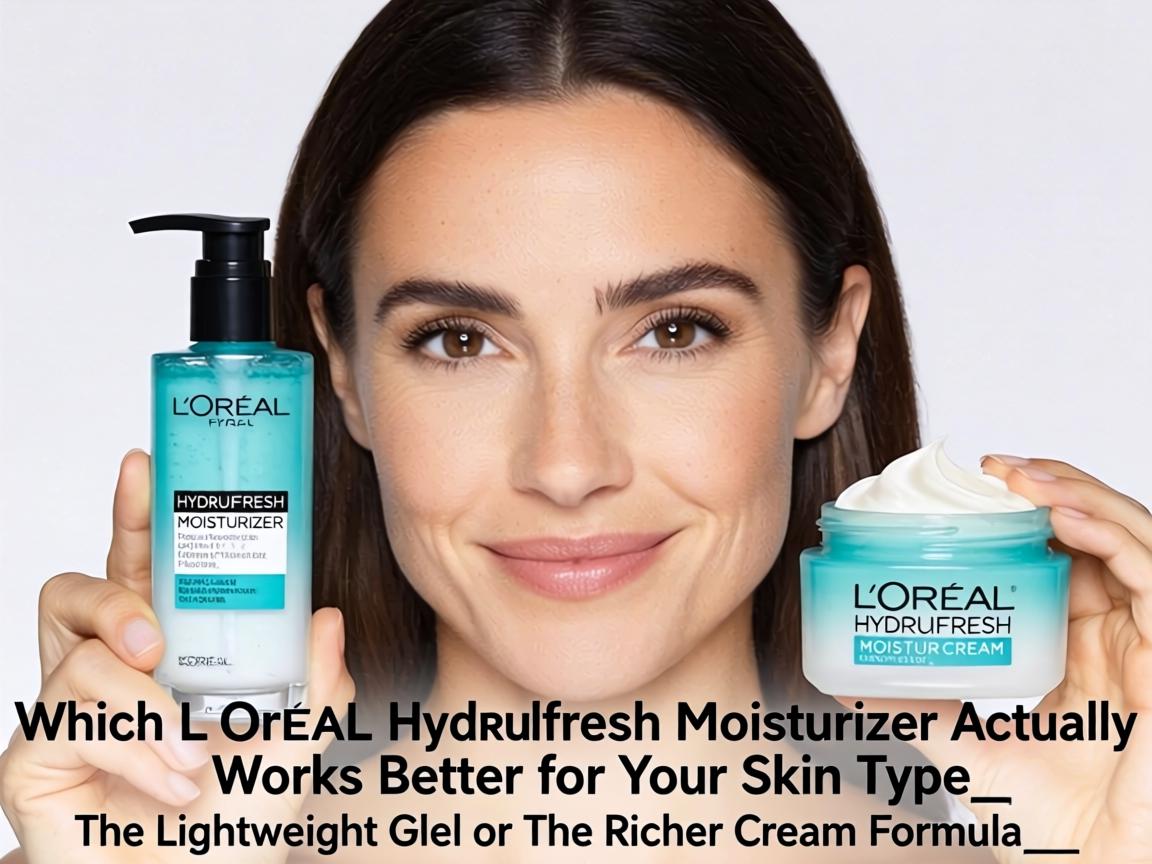
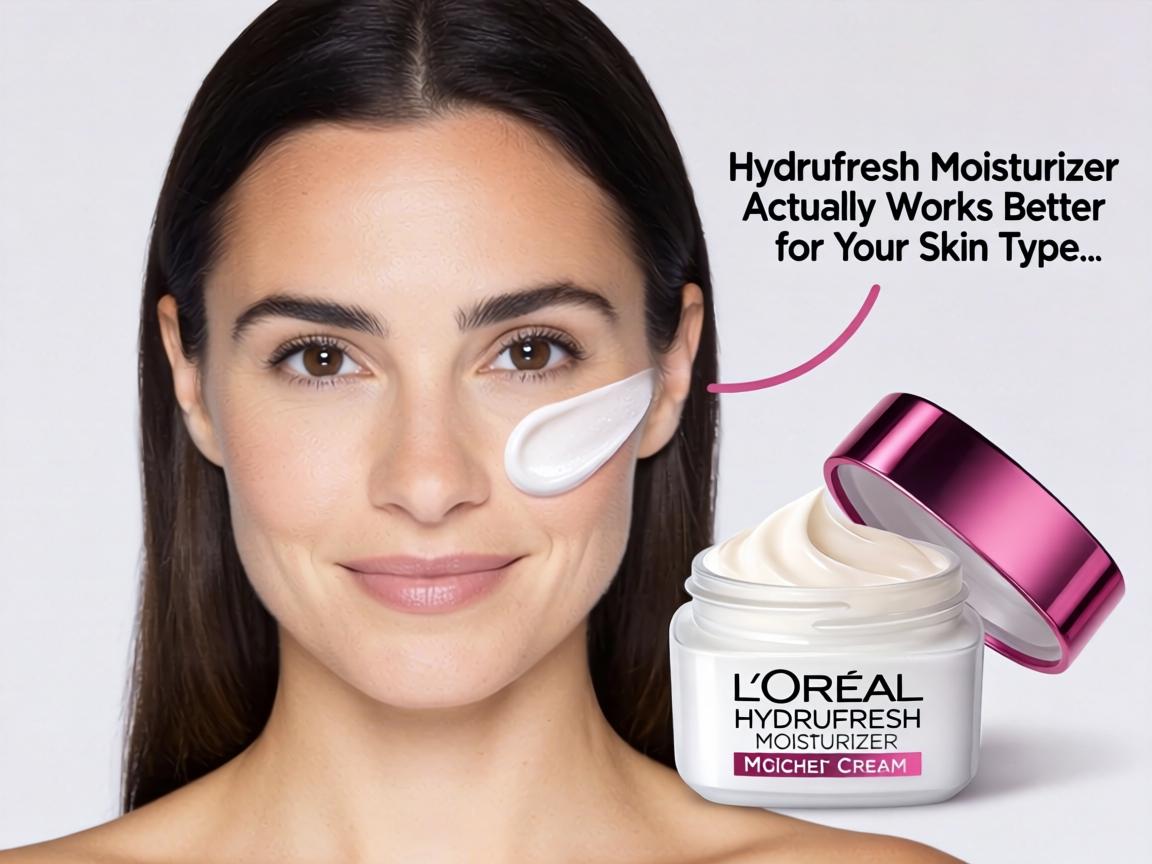
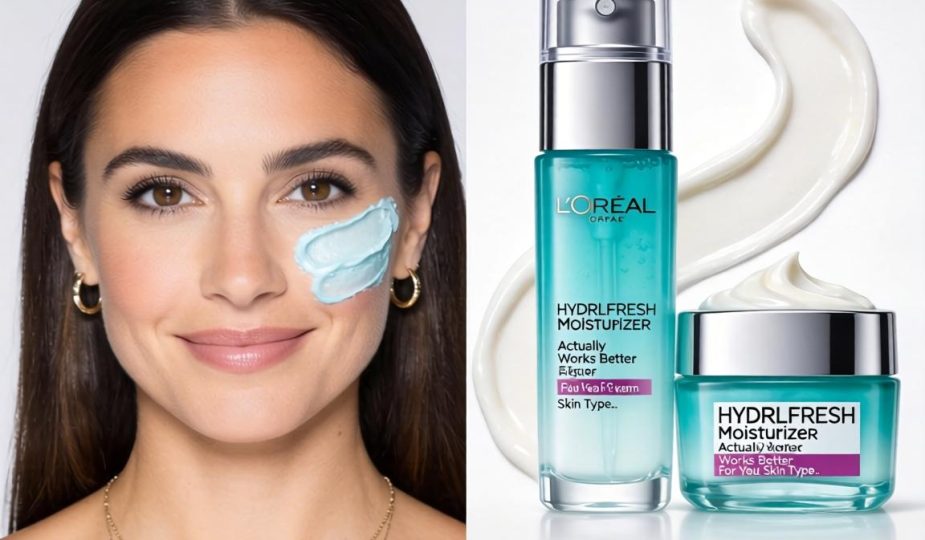
Ever stood in front of the skincare aisle, staring at two nearly identical blue bottles, wondering if your skin really needs “moisturizer” or “moisturizing cream”? Yeah, me too. Last winter my cheeks were flaking like crazy but my T-zone stayed oily—classic combination skin nightmare. That’s when I started digging into L’Oréal’s Hydrafresh line, specifically the moisturizer
versus the moisturizing cream
. What’s the actual difference, and more importantly, which one won’t waste your money?So here’s the thing. When bloggers talk about “hydration heroes,” they rarely break down why one texture might destroy your makeup by noon while the other sits beautifully. I’ve used both formulas through humid summers and dry heating-season winters. My bathroom counter has seen the rotation. And honestly? The choice isn’t as obvious as “dry skin = cream, oily skin = gel.” There’s more nuance here that people miss.Let’s start with what you’re actually getting. The Hydrafresh moisturizer
—the one in the lighter blue packaging—feels like water breaking on your face. It absorbs fast. Almost too fast sometimes. The moisturizing cream
has more body, more slip, takes longer to sink in. But absorption speed doesn’t equal hydration quality, which is where I see people getting confused online.Texture breakdown:
- Moisturizer: Gel-to-water consistency, semi-matte finish
- Cream: Richer lotion texture, slight dewy residue
I remember the first time I used the gel version. It was July, I was sweating through my commute, and anything heavy felt disgusting. The moisturizer disappeared into my skin in seconds. My face felt… refreshed? But by 3 PM, that tight feeling crept back. Not good tight. Dehydrated tight.So I switched to the cream. Big mistake for August. My forehead started shining like a disco ball by lunch. Pores looked more obvious. I was annoyed because the cream actually felt more nourishing at 8 AM, but it couldn’t handle my oil production when the temperature hit 85 degrees.This is where the nested questions start mattering. When should you actually choose which one?
For me, the answer became: both. Just not at the same time. I use the moisturizer
as my morning base under sunscreen and foundation. It doesn’t pill or slide. The moisturizing cream
became my night treatment, sometimes mixed with a drop of facial oil when the heater’s blasting.But some friends want a simpler routine. One product, all situations. What should we do? Let’s keep reading below!If you’re forced to pick just one, your climate matters more than your skin type, honestly. Humid environment? The moisturizer probably sustains you. Desert-dry air or heavy indoor heating? The cream’s occlusion makes more sense. I’ve seen oily-skinned people in Arizona swear by the cream, and dry-skinned folks in Singapore loving the gel. Environment trumps skin category sometimes.Here’s a quick comparison table I wish existed when I was researching:
| Feature | Hydrafresh Moisturizer | Hydrafresh Moisturizing Cream |
|---|---|---|
| Best for | Oily/combination daytime | Dry/normal nighttime or winter |
| Absorption | 10-15 seconds | 1-2 minutes |
| Makeup base | Excellent, grips foundation | Can slide, needs setting powder |
| Shine level | Matte to natural | Dewy to slightly greasy on oilier types |
| Ingredient feel | Water-heavy, hyaluronic forward | More emollients, richer lipids |
| Season performance | Spring/summer winner | Fall/winter essential |
The blogger often uses both depending on the forecast. That sounds extra, but once you try switching seasonally, it’s hard to go back to struggling through with the wrong texture.Do they actually hydrate differently long-term?
This is where my personal opinion gets controversial. I don’t think either one transforms your skin permanently. They’re both solid maintenance products, not repair treatments. The difference is in the experience of hydration, not necessarily the dermatological outcome. If you’re expecting the cream to heal your moisture barrier while the gel fails, that’s not really how these formulas work. They’re both relatively lightweight in the grand scheme of skincare.What the cream offers is time-released comfort. It sits on the surface longer, so you feel moisturized for more hours. The gel gives you immediate relief that fades faster. Neither is superior—they’re just different temporal experiences.I’ve also experimented with layering. Gel first, cream on top. Sounds like overkill, but on long-haul flights? My skin arrived looking human instead of lizard. The gel provides the water content, the cream seals it. This way you can customize your occlusion level without buying a separate occlusive product.Price-wise, are you getting different value?
They’re usually priced nearly identically, which makes the decision purely about performance preference. No “you get what you pay for” calculus here. Just texture preference and seasonal adaptation.One thing I noticed—the cream tends to last longer per bottle because you need less product to feel covered. The gel encourages over-application since it vanishes so quickly. If you’re budget-conscious, that might tip you toward the cream even if the texture isn’t perfect for you.Final thoughts from someone who’s rotated through both for two years:
I don’t think there’s a wrong choice between L’Oréal Hydrafresh moisturizer and moisturizing cream. There’s just a current choice based on what your skin is doing right now. The flexibility of having both on hand—using the gel when you’re producing oil, the cream when you’re depleted—gives you more control than committing to one texture year-round.If I had to rebuild my routine from scratch with only one? I’d probably grab the moisturizer and supplement with a separate occlusive for dry days. It’s more versatile overall. But that dewy, plump feeling the cream gives at 11 PM when you’re bone-tired? That’s worth the shelf space for me.Hope this helps you decide which blue bottle deserves your counter space. Your skin’s needs change—your moisturizer probably should too.