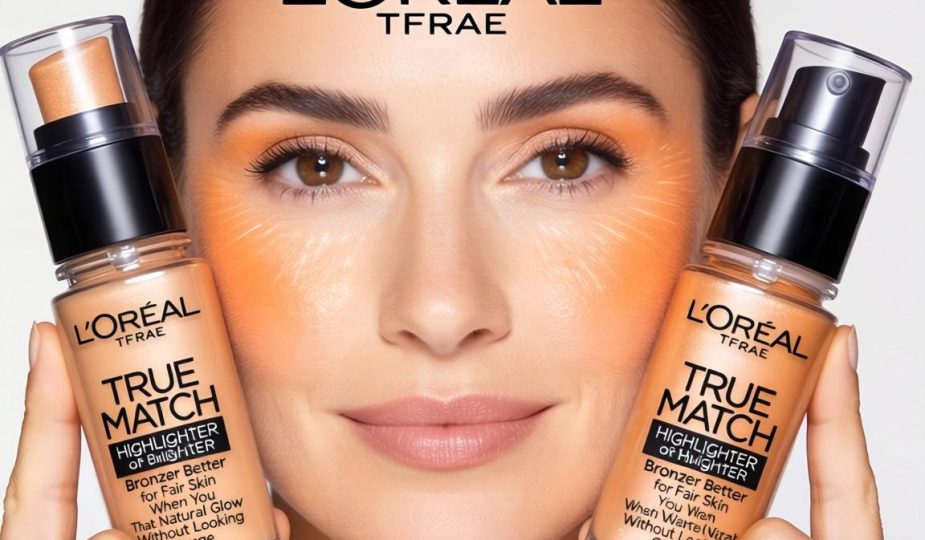
Is L’Oréal True Match Highlighter or Bronzer Better for Fair Skin When You Want That Natural Glow Without Looking Orange_
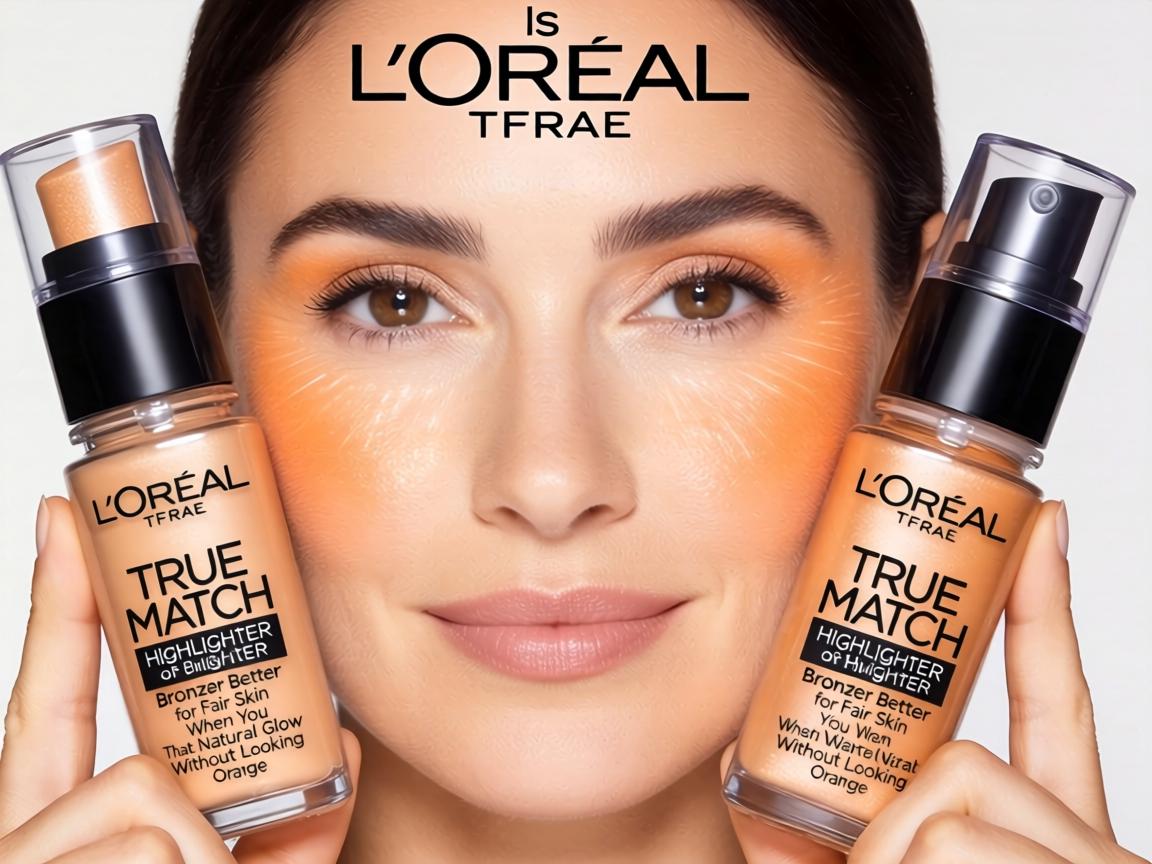
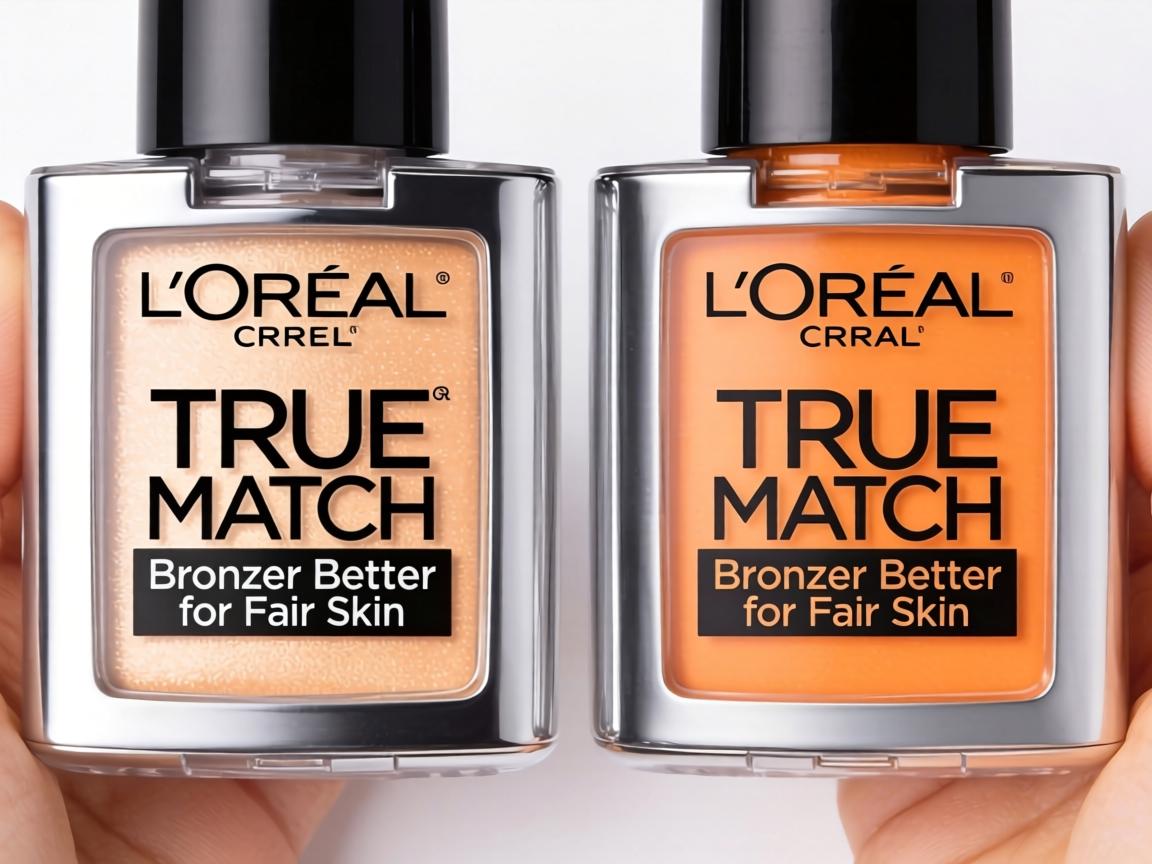
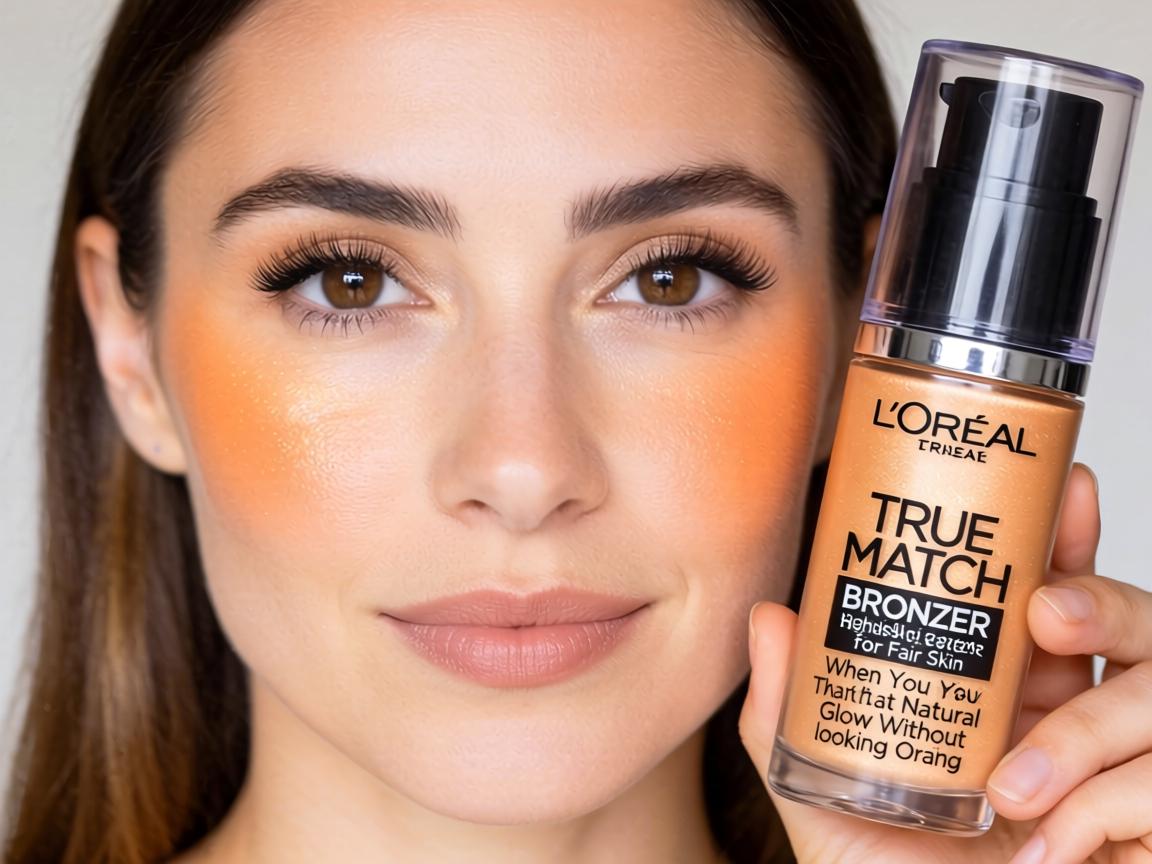
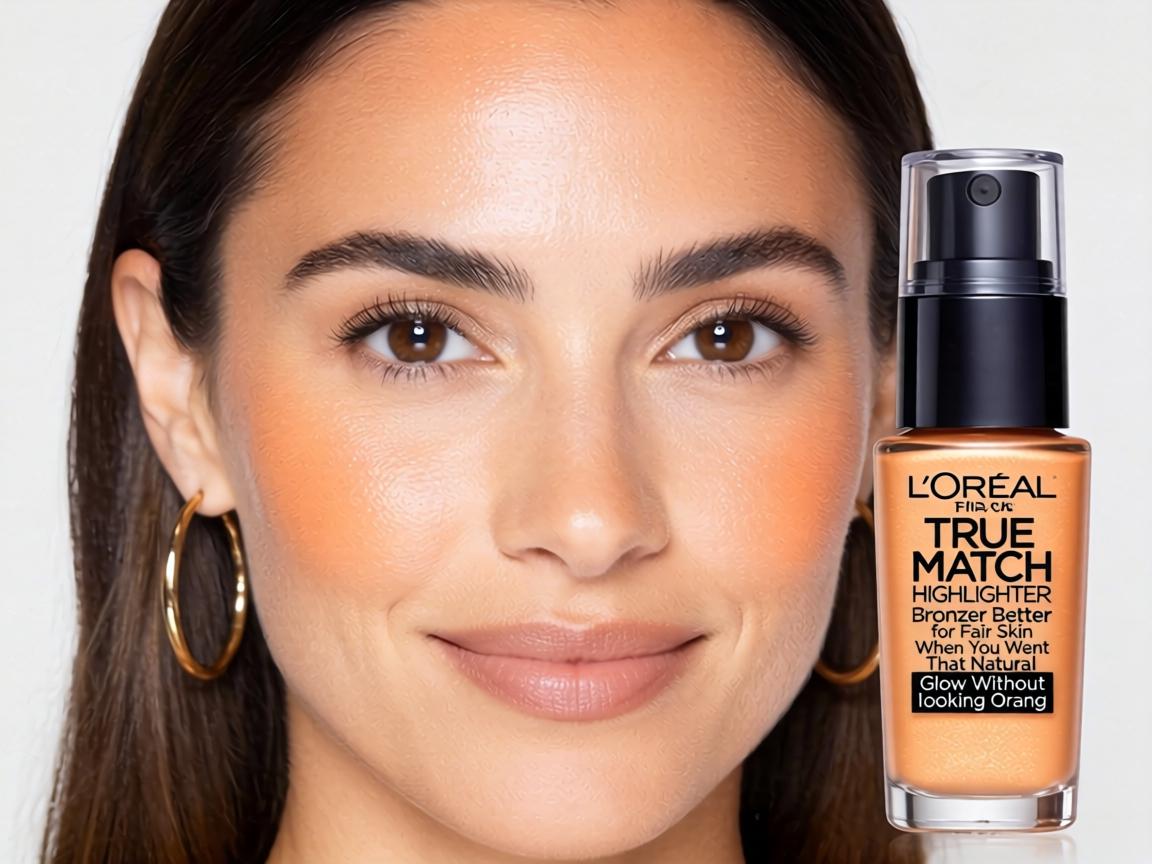
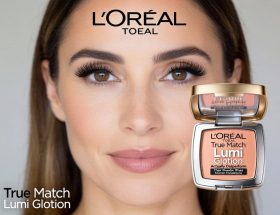
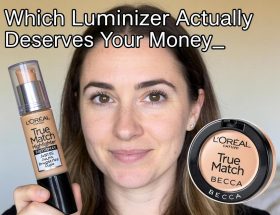
So here’s the thing—I’ve been staring at my makeup drawer for like, twenty minutes this morning, trying to figure out why my “natural glow” sometimes looks like I rolled in Cheeto dust. Fair skin problems, right? We are using these L’Oréal True Match products because supposedly they match your undertone, but when you’re pale, the line between “sun-kissed” and “sun-damaged” gets real thin. This way you can avoid that whole orange disaster that keeps happening to people like us.I grabbed both the True Match Lumi Glotion (that’s the highlighter side of things) and the True Match Bronze Glotion because, honestly, I needed to know which one actually works when your foundation shade is literally called “Porcelain” or “Ivory.” When I first started testing these, I kept thinking—will the bronzer make me look like I’m trying too hard? Will the highlighter just emphasize every pore I didn’t know I had?Let’s break this down with some actual comparisons because my brain needs structure when I’m makeup shopping, and probably yours does too.
| Feature | True Match Lumi Glotion (Highlighter) | True Match Bronze Glotion (Bronzer) |
|---|---|---|
| Color payoff on fair skin
|
Subtle, pearlescent sheen that doesn’t read as glitter | Buildable tan shades, but “Fair” to “Light” range is limited |
| Texture feel
|
Lightweight, almost watery—spreads like skincare | Same gel-cream base, but pigment sits heavier |
| Blending nightmare level
|
Low, melts into skin pretty well | Medium, can patch if you don’t work fast |
| “Oops I’m orange” risk
|
Minimal | Moderate to high if you grab wrong shade |
| Best use case
|
Inner corner, cheekbones, or mixed with foundation | Contouring hollows, or that “I vacationed” look |
| Price point
|
Around $12-15 drugstore | Same, but you use less so lasts longer |
Guys, here’s where it gets personal. The highlighter? I actually mix a pea-sized amount into my moisturizer on no-makeup days. It gives that “did you get sleep or are you just glowing?” vibe without the obvious shimmer stripe. But some friends want that definition, that bone structure—you know what I mean. What should we do? Let’s keep reading below!For the bronzer, I made the mistake once of getting the “Light” shade thinking, well, I’m light. Wrong move. It pulled straight orange on my cool undertone. Had to exchange for the “Fair to Light” which is supposedly the same thing but somehow… wasn’t? The blogger often uses these interchangeably but I think there’s a batch variation issue, or maybe my skin just hates warmth.Key points if you’re deciding:
- Highlighter wins if:
You want that “glass skin” effect, hate powder products, or need something foolproof for daily use
- Bronzer wins if:
You’re doing full face contour, have warm/neutral undertones, or want that seasonal summer look
- Neither wins if:
You’re expecting full coverage—these are tint levels, not transformation levels
I bring you this hot take after three weeks of alternating sides of my face (yes, I walked around looking slightly asymmetrical, no I don’t regret it). The highlighter side always got more “you look healthy” comments. The bronzer side got “are you wearing self-tanner?” which… isn’t exactly the compliment I was fishing for.Detailed setup methods, let’s take a look—if you’re committed to the bronzer, stipple it on with a damp sponge, don’t swipe. For the highlighter, fingers work fine, actually better than brushes because the warmth helps it sink in. Hope this helps you not waste $15 like I almost did.My personal opinion? For fair skin specifically, the highlighter is the safer bet. The bronzer requires too much negotiation with your undertone, and life’s too short to blend for ten minutes every morning. But if you must bronze, use it as eyeshadow instead—that’s where the orange risk disappears and you just look like you have depth.