Which L’Oréal Cleanser Actually Removes Makeup Better_ Hydrafresh Toner or Micellar Water_
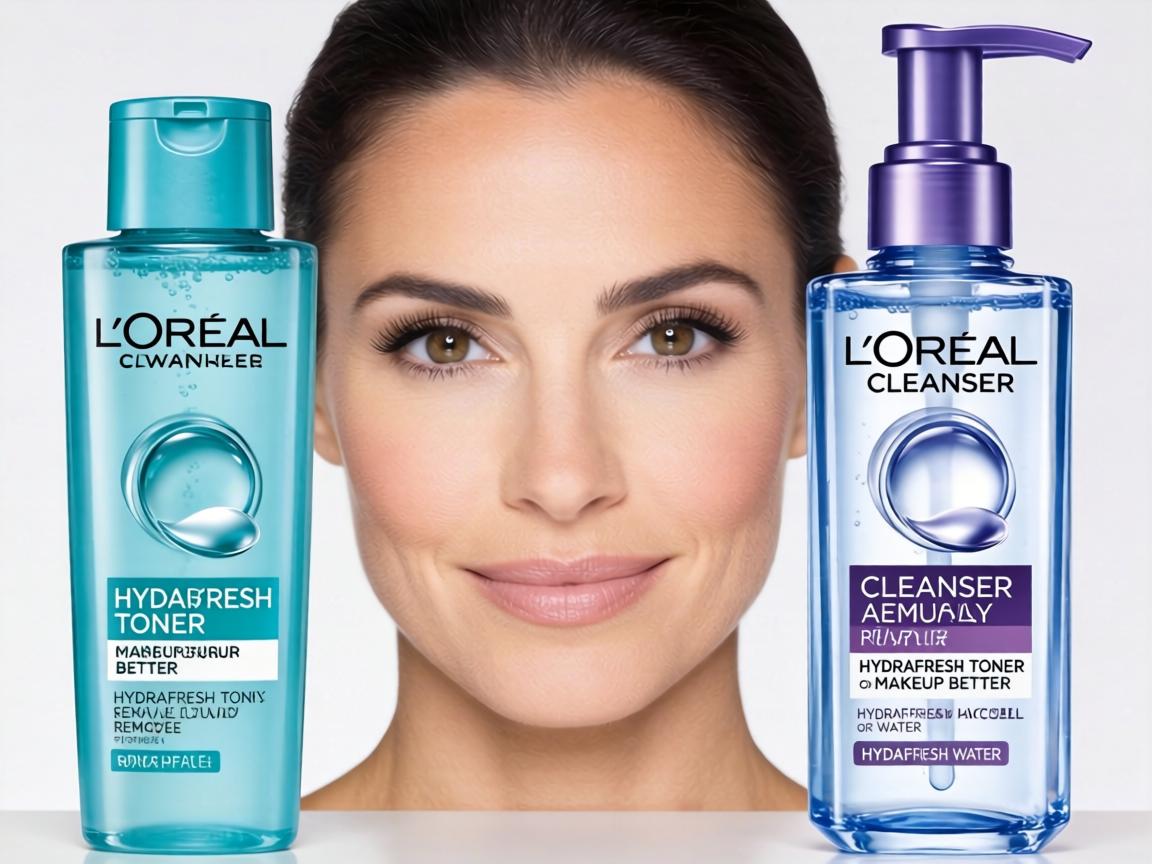
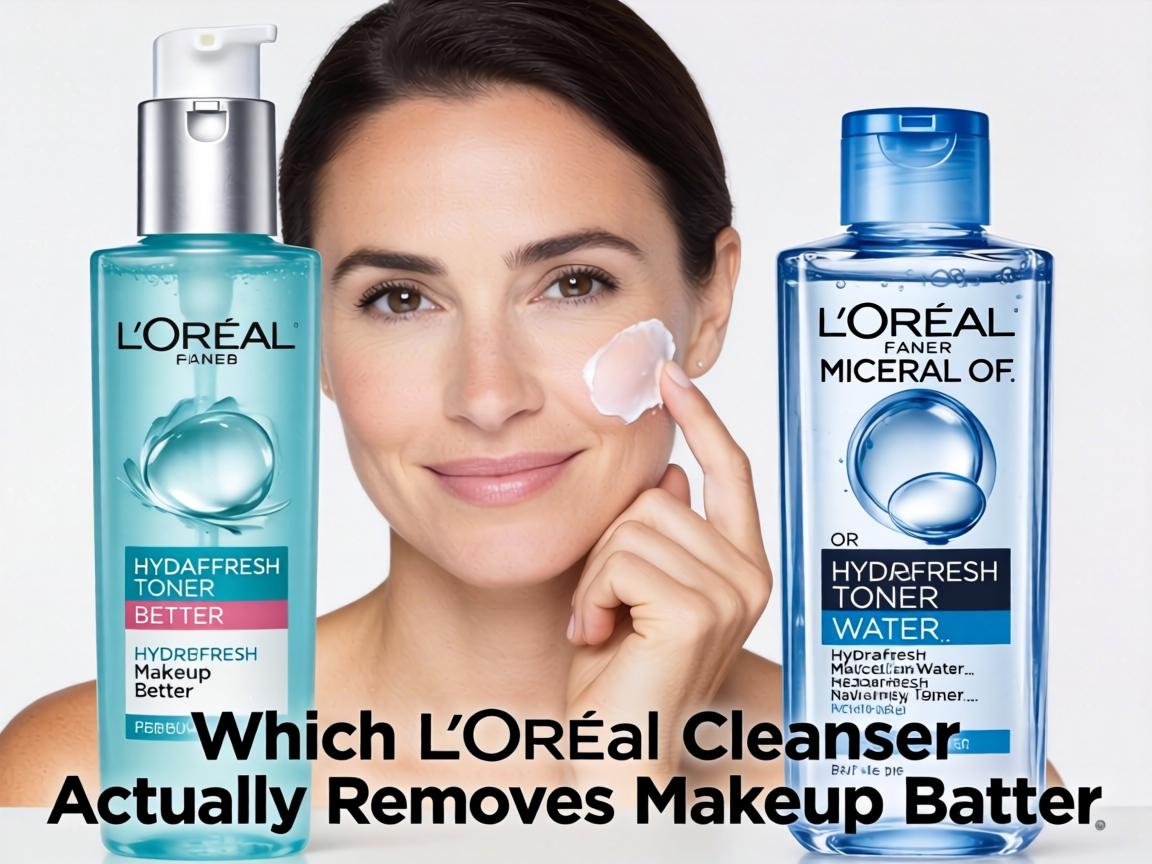
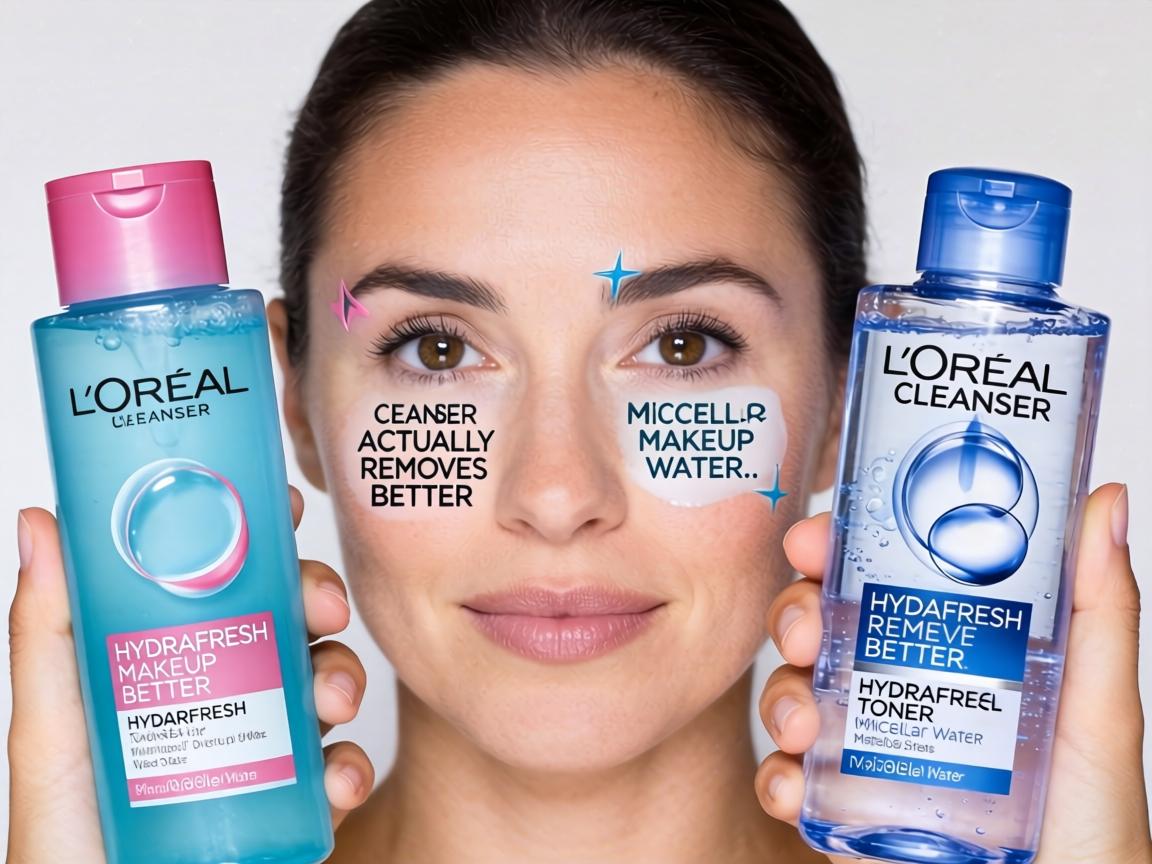
So here’s a weird thing I’ve been thinking about. When you stand in front of that L’Oréal shelf at the drugstore, and there’s the Hydrafresh toner on one side and that big bottle of micellar water on the other… which one do you actually grab? I mean, both say they clean your face, right? Both promise to remove makeup and leave your skin feeling fresh. But are they the same thing? Definitely not. I learned this the hard way after using the wrong one for like, three months straight.Let me back up. If you’ve been searching for “best drugstore makeup remover for sensitive skin” or “L’Oréal micellar water vs toner difference” at midnight while your face still has yesterday’s mascara on it… yeah, I’ve been there. Let’s figure this out together, because apparently a lot of us are confused.What Even Is Hydrafresh Supposed To Be?
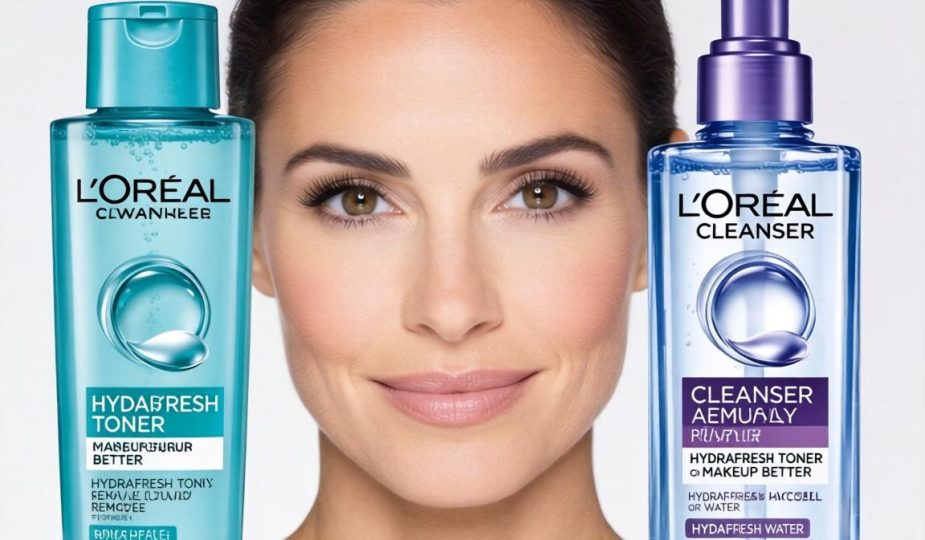
Okay so. The Hydrafresh line is marketed as this hydrating, refreshing toner situation. It comes in that clear bottle with the blue liquid that looks like it should be splashed on your face in a skincare commercial. It’s got hyaluronic acid in it—which, by the way, is why people keep buying it—and some kind of “hydra-lock” technology that sounds made up but whatever.But here’s where it gets tricky. In some markets, they call it a toner. In others, it’s labeled as a “softening lotion” or even just “essence water.” This naming confusion is probably why so many people use it wrong. I definitely did.And Micellar Water Is… What Exactly?
Right, so micellar water. The science-y explanation is that it has these tiny micelle molecules that attract dirt and oil. But practically? It’s soapy water that doesn’t need to be rinsed. Or that’s the theory. L’Oréal’s version comes in the pink cap (sensitive skin) and blue cap (normal skin) varieties, and honestly, most people just grab whichever is on sale.The thing about micellar water though—it’s designed as a cleanser. First step, makeup removal, that whole thing. Not a toner. Not a treatment. Just… cleaning.The Core Confusion: Can You Use Them Interchangeably?
This is what I really wanted to know. Because when you’re lazy (and I’m lazy), you want one product that does everything. So I tested this. For science. Or for this article. Same thing, really.For two weeks, I used only Hydrafresh on one side of my face and only micellar water on the other. Yes, I looked ridiculous. No, I don’t regret it. The results were… illuminating.
| What I Tested | Hydrafresh Side | Micellar Water Side |
|---|---|---|
| Makeup removal (full face) | Mascara still there at the end. Foundation mostly gone but residue felt… filmy? | Actually clean. Like, cotton pad came away dirty then clean. |
| Morning refresh | Felt nice, slightly sticky after | Maybe too drying? Felt tight by noon |
| Double cleansing as second step | Worked okay, but why would you | Perfect, skin felt balanced |
| Eye makeup specifically | Burned slightly. Not great. | No irritation, but needed multiple pads |
| Post-gym sweat cleanup | Left me feeling greasy somehow | Fresh, but needed moisturizer immediately |
The Texture Difference Nobody Mentions
Hydrafresh has this… viscosity to it. It’s not watery water. It’s slightly gel-like, slightly slippery. When you pour it on a cotton pad, it doesn’t immediately soak through like micellar water does. It sits there. This is probably the hyaluronic acid doing its thing, but it means the application experience is totally different.Micellar water is just… wet. Splashy. Sometimes you pour too much and it runs down your arm. Classic.But What About The Ingredients?
I looked this up because I was curious. Hydrafresh has glycerin high on the list, plus that hyaluronic acid marketing loves. Also some fragrance, which explains why it smells like a spa. The micellar water is simpler—surfactants, water, preservative, done. Fewer ingredients generally means less potential for irritation, if you’re sensitive.So Which One Removes Makeup Better?
Straight answer? Micellar water. It’s not even close. Hydrafresh is not designed for makeup removal, despite what some packaging might imply. It’s a toner/essence hybrid meant for hydration after cleansing. When I tried to remove a full face of makeup with just Hydrafresh, I went through like six cotton pads and still had foundation in my pores. Not cute.Micellar water handled the same makeup load in two pads. Three if I was wearing waterproof mascara.But Wait—Is Micellar Water Enough Alone?
Here’s where my thinking gets complicated. A lot of people use micellar water as their only cleansing step. No face wash, no toner, just… swipe and sleep. I’ve done this. You’ve probably done this. But is it actually cleaning your face?I did the “test” where you use micellar water, then follow with a real cleanser. The second cleanser always picks up more dirt. Always. So micellar water is better than nothing, and it’s great for makeup removal specifically, but it’s not replacing your entire routine. Unless you’re camping or something. Then, fine.The Hydration Factor: Where Hydrafresh Actually Wins
Okay so. After proper cleansing, when your face is that slightly tight, slightly vulnerable state? That’s when Hydrafresh shines. It adds back that moisture barrier immediately. The hyaluronic acid pulls water into your skin (or that’s the claim, and my face does feel plumper after, so… maybe?). Micellar water, even the “hydrating” versions, doesn’t do this. It cleans and that’s it.Some Questions I Had To Answer For Myself
Can you use Hydrafresh as a makeup remover in a pinch? I mean, yeah. It’ll move product around. But it’s not dissolving anything properly. You’re basically pushing makeup into different areas of your face. Not recommended.Is micellar water good for acne-prone skin? Depends. If you’re not rinsing it off, there’s surfactant sitting on your skin all night. Some people break out from this. I don’t, but I’ve heard the complaints.Which one is better for morning use? Hydrafresh, probably. Unless you’re super oily overnight. Most of us don’t need heavy makeup removal first thing.Can you use both together? Yes, and this is actually what I settled on. Micellar water first for makeup, then Hydrafresh as a hydrating toner after. It’s two steps instead of one, but my skin has never been happier. Or at least, less angry.The Price Reality Check
Hydrafresh runs about $12-15 for 200ml. Micellar water is usually $8-10 for 400ml. So per milliliter, micellar water is way cheaper. But they’re doing different jobs, so comparing price is kind of… not useful? Like comparing the cost of shampoo and conditioner. You might need both.What About Those “All-In-One” Claims?
Both products make claims that stress me out. Hydrafresh says it “preps skin for moisture” which is vague. Micellar water claims it’s a “complete cleanser” which is… optimistic. Neither is lying exactly, but they’re definitely stretching. I’ve learned to ignore marketing and look at ingredient lists instead. Boring but true.Personal Opinion After All This Testing
If I had to choose just one? Micellar water. Because makeup removal is non-negotiable for me, and Hydrafresh simply doesn’t do that job. But choosing just one is a false economy. They’re not competitors, they’re complements. The real waste of money is using the wrong product for the wrong step and wondering why your skin looks tired.I’ve stopped thinking of skincare as “which product is best” and started thinking “which combination works.” Hydrafresh plus micellar water is a solid, affordable combo. Either one alone leaves a gap in your routine.One Weird Thing I Noticed
Hydrafresh seems to make my other products absorb better. When I use it before serum, the serum sinks in faster. Is this real or am I imagining it? The “prep” marketing might have a point here. Micellar water doesn’t do this—if anything, it can leave a film that blocks absorption if you don’t rinse.Final Thoughts From Someone Who Overthinks Everything
The confusion between these two products exists because L’Oréal’s marketing is intentionally fuzzy. They want you to buy both, obviously, but they also want each product to sound complete on its own. This creates real confusion about what steps are actually necessary.My advice? Use micellar water when you need to remove stuff from your face. Use Hydrafresh when your face is already clean and you want to add hydration. Don’t expect either to do the other’s job. Your skin will know the difference, even if the packaging tries to convince you otherwise.And maybe stop searching for the one perfect product that does everything. It doesn’t exist. Two pretty good products used correctly beats one mediocre product used desperately.