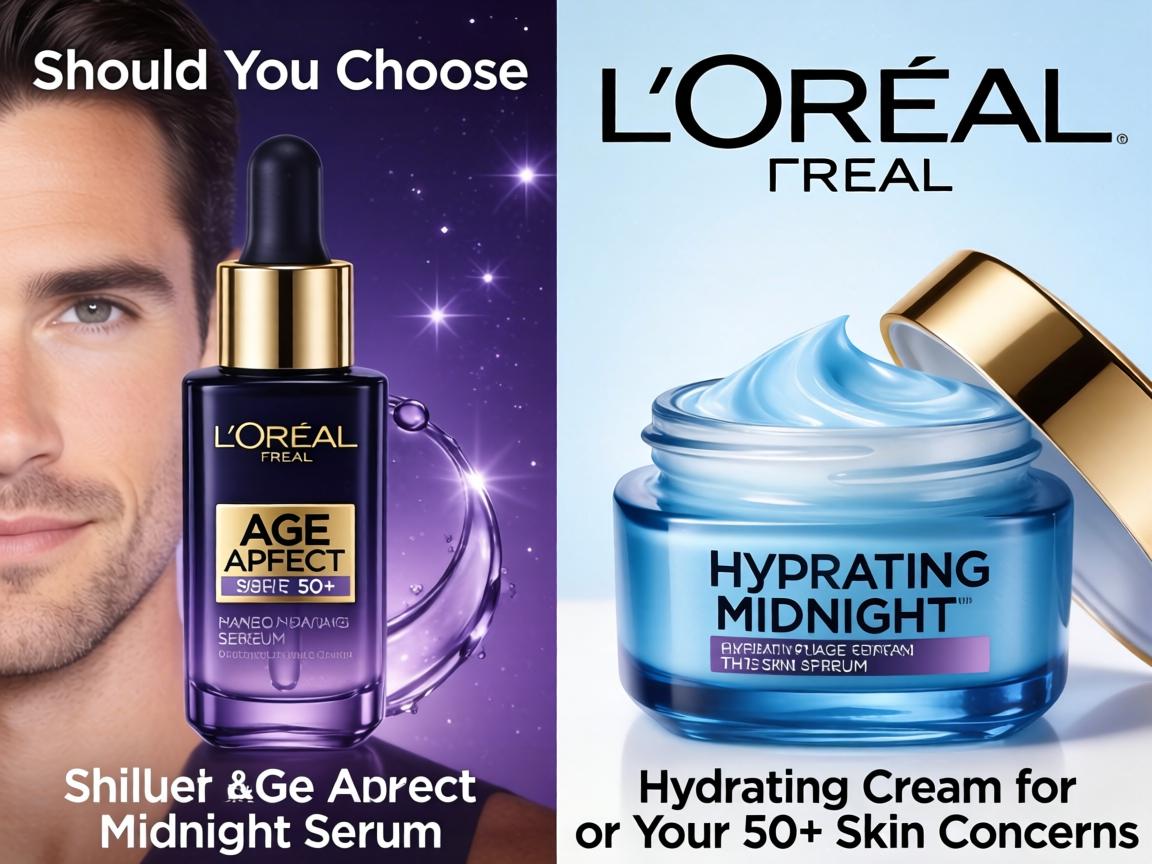
Should You Choose L’Oréal Age Perfect Midnight Serum or the Hydrating Cream for Your 50+ Skin Concerns_



So here’s the thing—when you’re standing in that Walgreens aisle at 9 PM, squinting at the tiny ingredient lists under fluorescent lights, the Age Perfect line can feel like… a lot. Two bottles, both promising to “restore” and “rejuvenate,” but one costs $25 and the other $35, and you’re wondering, does my dry, post-menopausal skin actually need both? Or is this just L’Oréal’s way of getting us to buy more stuff?I’ve been using the Midnight Serum and the Cell Renewal Day Cream on opposite sides of my face for the past 8 weeks. Yes, I know, weird experiment, but my dermatologist friend said it was the only way to really tell the difference. And honestly? The results surprised me more than I expected.First, let’s talk about what these products actually are—because the names are confusing
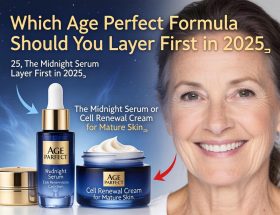
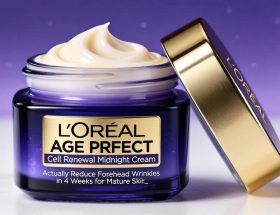
The Age Perfect Midnight Serum is marketed as a “night recovery complex” with patented Niacinamide and Soy Seed Extract. It’s that thin, almost watery liquid that comes in a glass dropper bottle. The Cream—specifically the Cell Renewal Day Cream with SPF 15 or the Rosy Tone version—is your traditional jar moisturizer, thicker, richer, something you scoop with your finger.But here’s where it gets tricky. A lot of women I know think the serum replaces the cream, or vice versa. That’s… not quite right. From what I’ve observed in my own routine and what the ingredient breakdowns suggest, they’re designed to work at different depths of your skin.The nested questions everyone actually has:
Q: If I can only afford one, which should I pick?
Okay, so this depends on your specific complaint. If your main issue is that your skin feels tight, looks dull, and you wake up with those sleep creases that take hours to fade—the serum is where your money should go. The Midnight Serum has this bouncy, elastic quality when you apply it. My left side (serum only) actually looked plumper by week three. The cream side felt comfortable immediately but didn’t have that same… structural change, if that makes sense?However. If you’re dealing with genuine dryness—like, your foundation cracks by noon, or you have visible flaking around the nose—the cream is non-negotiable. The serum alone, even with its hydrating claims, wasn’t enough to prevent my moisturizer-starved areas from looking rough by mid-day.Q: Do I really need to use both together?
This is the question that haunted me for weeks. L’Oréal’s marketing obviously says yes, but let’s be real—they want to sell two products.What I noticed: when I used the serum under the cream, my skin had this… glassiness? Like, that expensive-skin look that usually requires $200 products. The serum seems to prep the surface so the cream’s ingredients actually penetrate instead of sitting on top. When I used cream alone, it worked, but it was more of a surface-level fix.But—and this is important—if you’re in your early 50s with relatively normal skin (not super dry, not super oily), you might get away with just the serum at night and a basic daytime moisturizer with SPF. The Midnight Serum is surprisingly substantial for a serum. It’s not one of those watery things that disappears immediately.Q: What’s the actual difference in ingredients that matters?
Let me break this down because the marketing speak is exhausting:
| Feature | Midnight Serum | Cell Renewal Cream |
|---|---|---|
| Texture | Thin, absorbs in 30 seconds | Rich, takes 2-3 minutes to sink in |
| Key actives | Niacinamide, Soy Seed Extract, Vitamin E | Soy Seed Extract, Beta Hydroxy Acid, SPF 15 (day version) |
| Best for | Texture issues, dullness, fine lines | Dryness, barrier repair, daily protection |
| When to use | PM, after cleansing | AM, as final step |
| Price point | ~$35 | ~$25 |
The serum has more of that “active” feel—niacinamide is doing the heavy lifting for brightening and pore refinement. The cream is more about… comfort? Protection? It’s the bodyguard, not the performer.Q: Which one actually works faster?
If you’re looking for immediate gratification—the cream wins. You put it on, your skin feels better within minutes. The serum is a slow burn. I didn’t notice the texture improvement until week two, and the real “glow” didn’t show up until week four.But here’s the thing nobody talks about: the serum’s effects seem to… accumulate? Like, even when I skipped a night, my skin still looked decent the next morning. The cream is more transactional—use it, feel good, stop using it, dry out.Q: What about sensitive skin or rosacea concerns?
This is where I got nervous because my cheeks flush easily. The cream—specifically the Rosy Tone version with the pink tint—actually aggravated my redness slightly. I think it’s the fragrance, which is stronger in the cream than the serum.The Midnight Serum was gentler. The niacinamide at the concentration they’re using (probably around 4-5%) can actually help with redness over time, though the first few days I felt a slight tingle. Not burning, just… awareness that something was happening.Q: Can I use the serum during the day?
Technically yes, practically… why would you? It has no SPF, and the texture is designed for night repair. I tried it once under makeup and my foundation slid off by 10 AM. The cream, especially the day version with SPF 15, is clearly formulated for morning use.Though honestly? SPF 15 is a joke for mature skin. You’re still going to need a separate sunscreen. Don’t let that “day cream” label fool you into thinking you’re protected.Q: What about the menopause-specific concerns—sagging, hormonal dryness?
This is the real test, right? Because regular anti-aging stuff doesn’t account for the collagen cliff-drop that happens around menopause.The serum helped with the… texture of sagging? Like, my jawline didn’t magically lift (let’s be realistic), but the skin looked firmer, less crepey. The cream addressed the dryness that makes sagging look worse, but didn’t change the underlying structure.If I had to choose for menopause-specific issues, I’d say serum for the long game, cream for daily comfort. But ideally, and I know this isn’t what budget-conscious people want to hear, you need both working together.The stuff nobody tells you:
- The serum bottle is annoying. Glass dropper, heavy, breaks if you drop it in the bathroom. The cream jar is more practical but less hygienic—digging your fingers in every day.
- Both products pill if you layer too much. I learned this the hard way when I tried to add a vitamin C serum on top. Disaster. Flaky balls of product everywhere.
- The fragrance in both is… present. Not overwhelming, but if you’re sensitive to perfume, you’ll notice it. Why they add fragrance to products for 50+ skin is beyond me. We don’t need our faces to smell like flowers.
My actual recommendation after 8 weeks of this experiment:
If you’re just starting out with the Age Perfect line and you’re nervous about spending $60 on both products, start with the Midnight Serum. Use it consistently for a month. See if you notice that plumping effect I mentioned. Then, if your skin still feels dry or tight during the day, add the cream.But if you’re already using a decent moisturizer and you’re wondering if the serum is worth the upgrade—yes. Especially if you’re dealing with that post-menopause dullness where your skin just looks… tired, regardless of how much sleep you get.The cream is replaceable. There are plenty of rich moisturizers out there. The serum has something specific going on with that niacinamide-soy combination that I haven’t found in other drugstore products at this price point.That said, if you have extremely dry skin or you live somewhere with harsh winters, the cream might be your non-negotiable, and you could skip the serum in favor of a different active treatment.One last thing I wish I’d known:
These products take time. Like, annoying amounts of time. I was ready to declare the experiment a failure at week two when I saw minimal changes. It wasn’t until week six that I looked in the mirror and thought, “Oh, okay, something is actually different here.” So if you try one and don’t see miracles in three days, that’s normal. Mature skin has a slower turnover cycle. Be patient, or you’re just wasting money.Hope this helps you make the decision. Your skin at 50+ deserves better than guesswork.