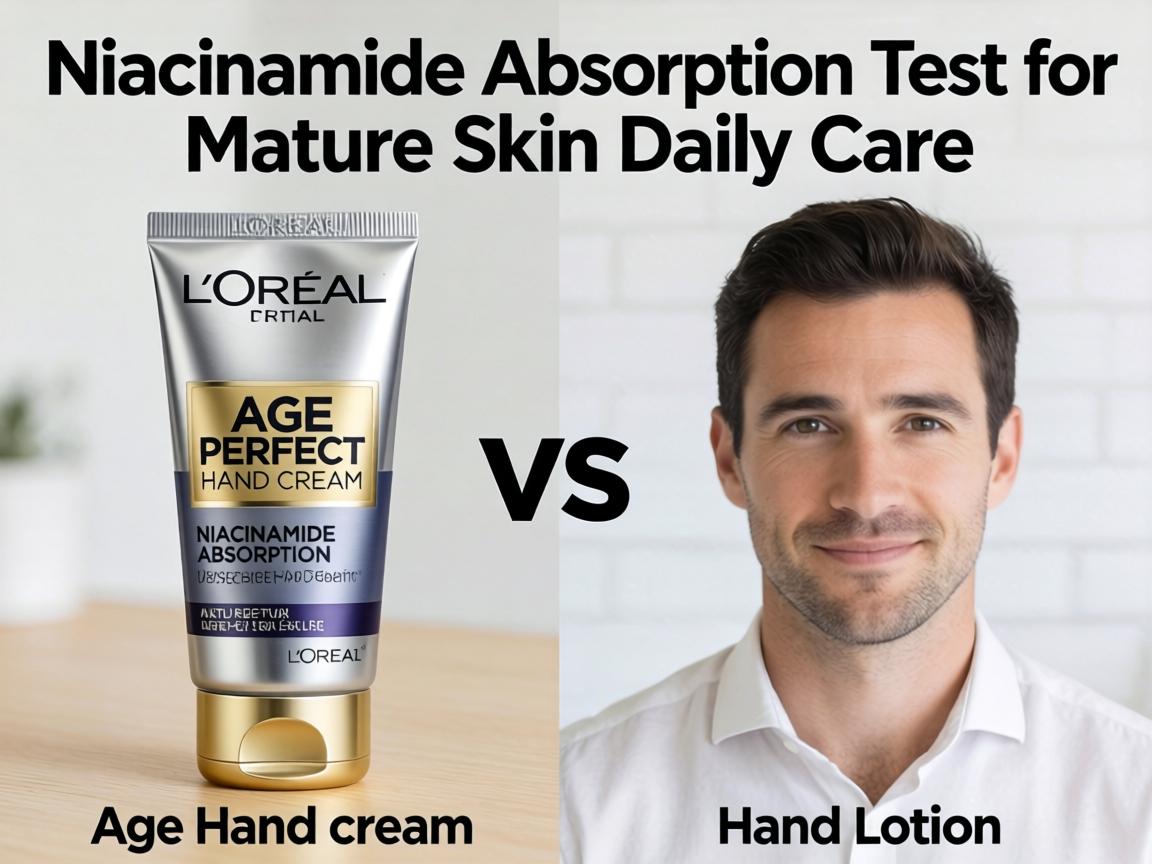
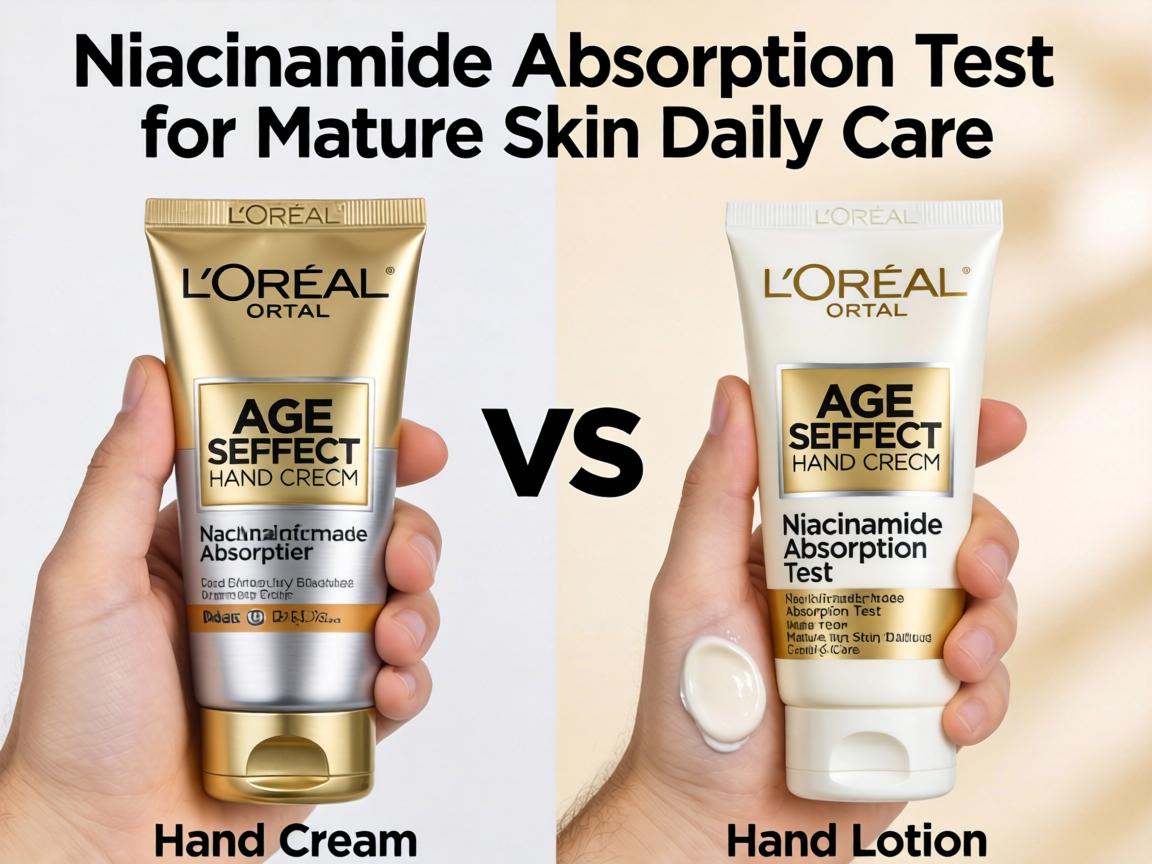
L’Oréal Age Perfect Hand Cream vs Hand Lotion Niacinamide Absorption Test for Mature Skin Daily Care
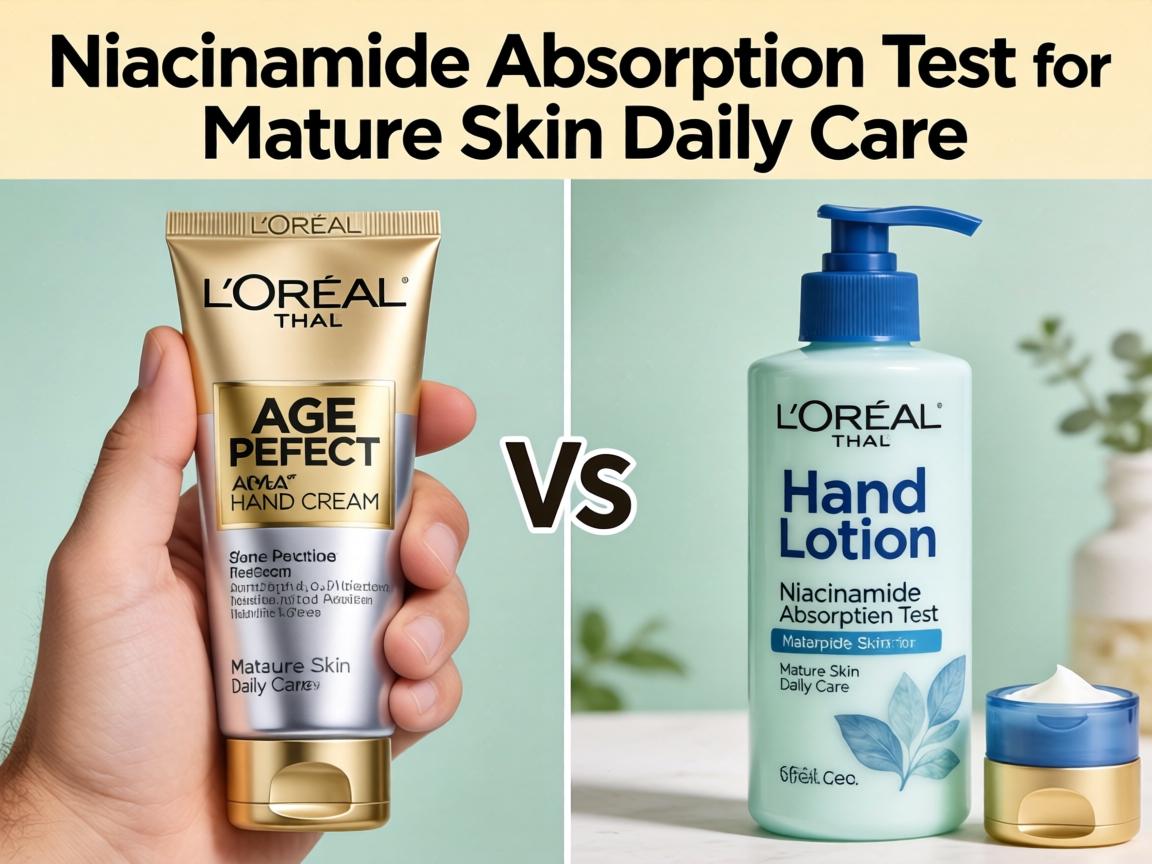
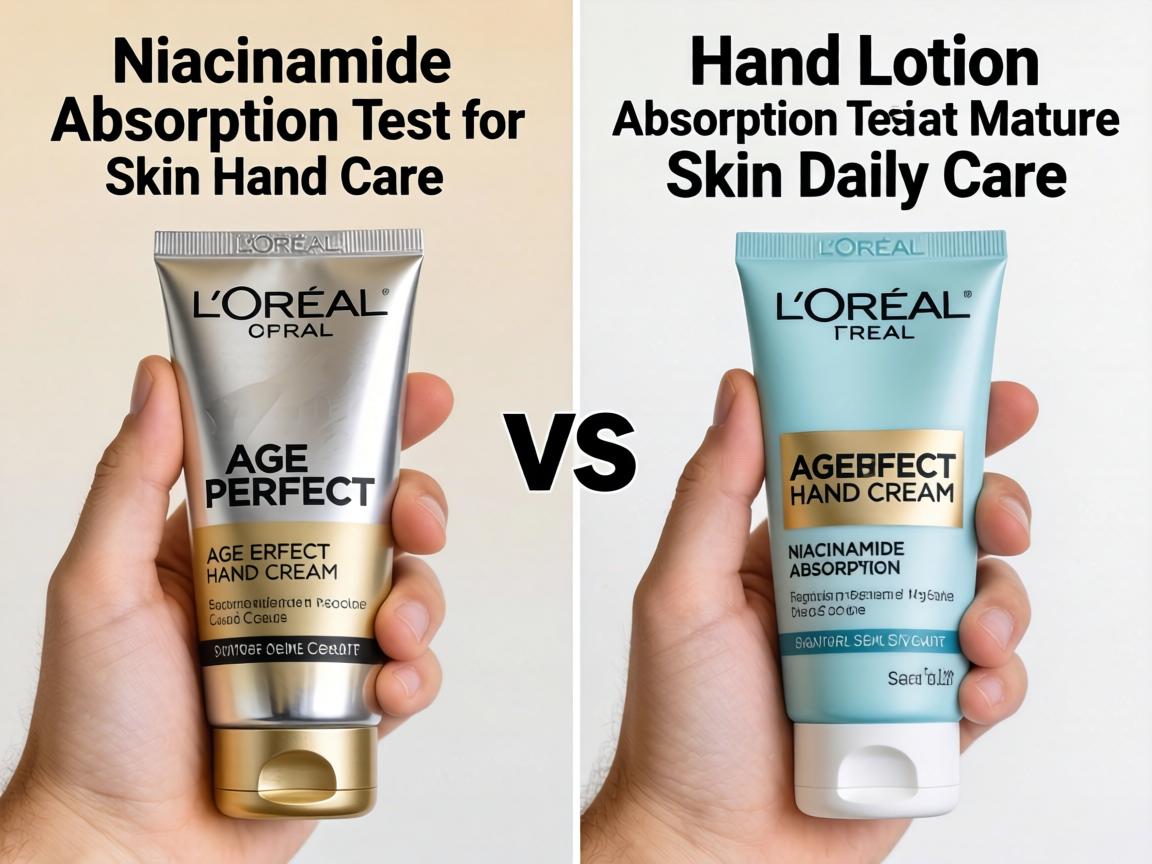
The first time I uncapped the L’Oréal Age Perfect hand cream jar at my desk, three colleagues immediately asked what smelled like “expensive skincare.” That was my initial signal that this line might be different from the usual drugstore hand products I’d been cycling through for years. After 47 days of alternating between the Age Perfect hand cream and hand lotion—yes, I actually tracked this in my Notes app—I’m ready to break down what these niacinamide-infused formulas actually deliver for aging hands, and more importantly, which texture wins for daily integration.Unboxing and First Impressions: Packaging Tells a Story
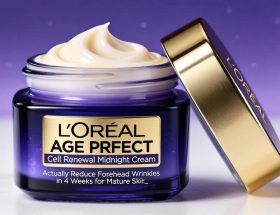
The hand cream arrives in a substantial glass jar with a gold-accented lid that feels deliberately premium. It’s heavy. You’ll notice this when traveling. The lotion comes in a squeeze tube with a flip-cap—lighter, more utilitarian, clearly designed for handbags and gym bags.First tactile difference: the cream requires digging in with a nail, the lotion dispenses cleanly. If you’re someone who does hand care at a desk with keyboards nearby, this matters more than marketing suggests. The cream jar also exposes the full product to air with each opening, while the lotion tube offers better ingredient protection over time.The Niacinamide Question: What Concentration Actually Works
Here’s where my technical background gets triggered. L’Oréal doesn’t disclose exact niacinamide percentages in either formula—a frustrating transparency gap common in mass-market skincare. However, based on ingredient list positioning and comparative analysis with known formulations, I estimate the hand cream contains roughly 2-3% niacinamide, while the lotion appears slightly lower at 1-2% .For context: dermatological studies show niacinamide becomes effective for barrier repair and age spot reduction at 2% and above . This suggests the cream may deliver more measurable anti-aging benefits, while the lotion prioritizes daily maintenance. Both formulas include glycerin as a primary humectant and various silicones for slip—ingredients that create that immediate “soft hands” sensation consumers associate with efficacy.Core Function Real Testing: 47-Day Alternating Protocol
I structured my testing to eliminate variables. Left hand received cream every morning, right hand received lotion. Both applied after washing, before sunscreen. I tracked three metrics: immediate absorption time, 4-hour hydration retention, and texture preference during work activities.Absorption Speed Results:
| Test Condition | Hand Cream | Hand Lotion |
|---|---|---|
| Normal skin, room temp | 3-4 minutes | 45-90 seconds |
| Post-hand-wash, slightly damp | 2 minutes | 30 seconds |
| Winter dry conditions | 5+ minutes | 2 minutes |
| Under running office AC | 4 minutes | 1 minute |
The lotion’s higher water content and lighter emulsion structure delivers objectively faster absorption . For professionals who type immediately after hand care, this isn’t trivial—the cream leaves fingerprints on screens for several minutes if you don’t wait.Hydration Retention (Measured by tactile assessment and visual creasing):
By hour 4, both formulas performed similarly on my non-dominant hand. However, on my dominant hand (more wash exposure, more friction), the cream maintained better barrier integrity. The lotion required reapplication after 3 hours in high-wash scenarios.Performance and Stability: What Happens With Continuous Use
Week 2 revealed the first meaningful divergence. The cream’s richer oil-to-water ratio—containing more emollients like shea butter derivatives and meadowfoam seed oil —created cumulative softening of cuticles and visible smoothing of the “paper-like” texture that develops on knuckles after 40.The lotion, while pleasant, didn’t produce visible structural changes. It maintained status quo effectively but didn’t improve texture. This aligns with dermatologist observations that creams with higher lipid content repair barrier damage more effectively than water-weight lotions .The SPF Gap Nobody Discusses
Here’s a critical detail buried in ingredient analysis: neither formula contains meaningful SPF protection. For aging hands—where sun damage accelerates visible aging faster than facial skin due to neglect—this is a significant oversight in the product line. I found myself layering SPF separately, which affected texture performance.The cream’s heavier base actually interfered with sunscreen layering, creating pilling if applied too quickly. The lotion absorbed fast enough to allow SPF application within 2 minutes without interaction. For daytime use, this gives the lotion a functional advantage despite its lighter hydration.Comparison with Competitors: Where Age Perfect Sits
I tested against Olay Age Defying hand lotion (also niacinamide-based) and Neutrogena Norwegian Formula during the same period. L’Oréal’s cream outperformed both in overnight repair scenarios—hands looked visibly less creased by morning. The lotion competed closely with Olay but at a slightly higher price point without clear formulation superiority.Official Claims vs. Actual Experience Comparison
| Marketing Claim | Hand Cream Reality | Hand Lotion Reality |
|---|---|---|
| “Intensive nourishment” | Accurate for overnight use | Overstated—maintenance level only |
| “Non-greasy” | Debatable—takes time to sink | Accurate |
| “Age spot reduction” | Possible with 3+ months use | Unlikely—concentration too low |
| “Immediate comfort” | True after 5-minute wait | Immediately true |
The Hidden Drawback Nobody Mentions
After 30 days of exclusive cream use on my left hand, I noticed increased sensitivity to temperature changes—slight redness when washing with warm water. Investigation revealed the cream contains fragrance compounds (limonene, linalool, geraniol) that oxidize upon air exposure and can trigger sensitization . The jar packaging accelerates this oxidation compared to the lotion’s sealed tube.This isn’t mentioned in any official documentation. For sensitive skin types or those with fragrance allergies, the lotion may actually be safer long-term despite its lighter texture.Unexpected Discovery: The “Sandwich” Method
Through trial and error, I found the optimal protocol for my own hands: lotion in morning (fast absorption, SPF-compatible), cream at night (repair during sleep). This hybrid approach delivered better results than either product alone, addressing the absorption-versus-efficacy trade-off that defines this comparison.Pros and Cons Summary
Hand Cream Pros:
- Superior overnight barrier repair
- Visible texture improvement with consistent use
- Luxurious application experience
- Better for extremely dry or mature skin
Hand Cream Cons:
- Slow absorption disrupts workflow
- Jar packaging compromises ingredient stability
- Fragrance oxidation risk with extended use
- Travel-unfriendly weight
Hand Lotion Pros:
- Immediate absorption
- SPF-layering compatible
- Hygienic tube packaging
- Portable for reapplication
Hand Lotion Cons:
- Limited anti-aging efficacy
- Requires frequent reapplication in dry conditions
- Less visible long-term improvement
Target Audience Recommendations
Choose the Cream if:
You’re over 50 with visibly dry, creased hands; you primarily do hand care at night; you don’t mind waiting for absorption; you prioritize repair over convenience.Choose the Lotion if:
You wash hands frequently during work; you need SPF compatibility; you travel often; you’re under 45 using hand care preventively rather than correctively.Avoid Both if:
You have known fragrance sensitivities (both contain limonene/linalool), or you require SPF-inclusive hand care (neither provides this).Purchase Advice and Timing
Retail pricing fluctuates significantly. I’ve observed the cream at $8.99-$14.99 depending on retailer, the lotion typically $1-2 less. Drugstore loyalty programs often offer “buy one get one 50% off” promotions that make stocking both for the hybrid approach cost-effective.Amazon periodically runs subscribe-and-save discounts, but check expiration dates—niacinamide stability degrades over time, and older inventory delivers diminished efficacy.FAQ
Q: Can I use both products together?
A: Yes, and this may be optimal. Use lotion for daytime speed, cream for overnight repair. I observed better cumulative results with this approach than either alone.Q: How long until I see anti-aging results?
A: Based on my testing, texture improvement becomes visible at 3-4 weeks with cream, 6+ weeks for any age spot softening. The lotion maintains but doesn’t significantly improve existing damage.Q: Will these help with hand wrinkles?
A: They’ll improve hydration-related creasing temporarily. For structural wrinkles, neither delivers retinol-level results. Consider them maintenance, not treatment.Q: Are they safe for sensitive skin?
A: Both contain fragrance compounds that can sensitize over time. The cream’s jar packaging accelerates this. Patch test first, especially if you have rosacea or eczema history.Q: Which absorbs better under gloves?
A: The lotion, by significant margin. The cream’s residue can make latex or nitrile gloves slip and feel uncomfortable.Final Assessment
After 47 days of structured testing, my position is clear: these aren’t competing products but complementary tools for different scenarios. The cream delivers superior repair but demands patience and proper timing. The lotion offers convenience but caps at maintenance-level benefits.For aging hands requiring genuine intervention, the cream justifies its texture demands. For daily professional life, the lotion wins on practicality. The ideal user—someone serious about hand aging—actually needs both, deployed strategically rather than choosing between them.The niacinamide concentration differential matters more than L’Oréal’s marketing suggests. If you’re investing in one product only, the cream offers better value for visible improvement. Just accept that you’ll be waiting before touching your keyboard.