Is L’Oréal Age Perfect Day Cream Actually Worth Switching From Their Night Formula, or Are We Just Paying for Different Packaging_
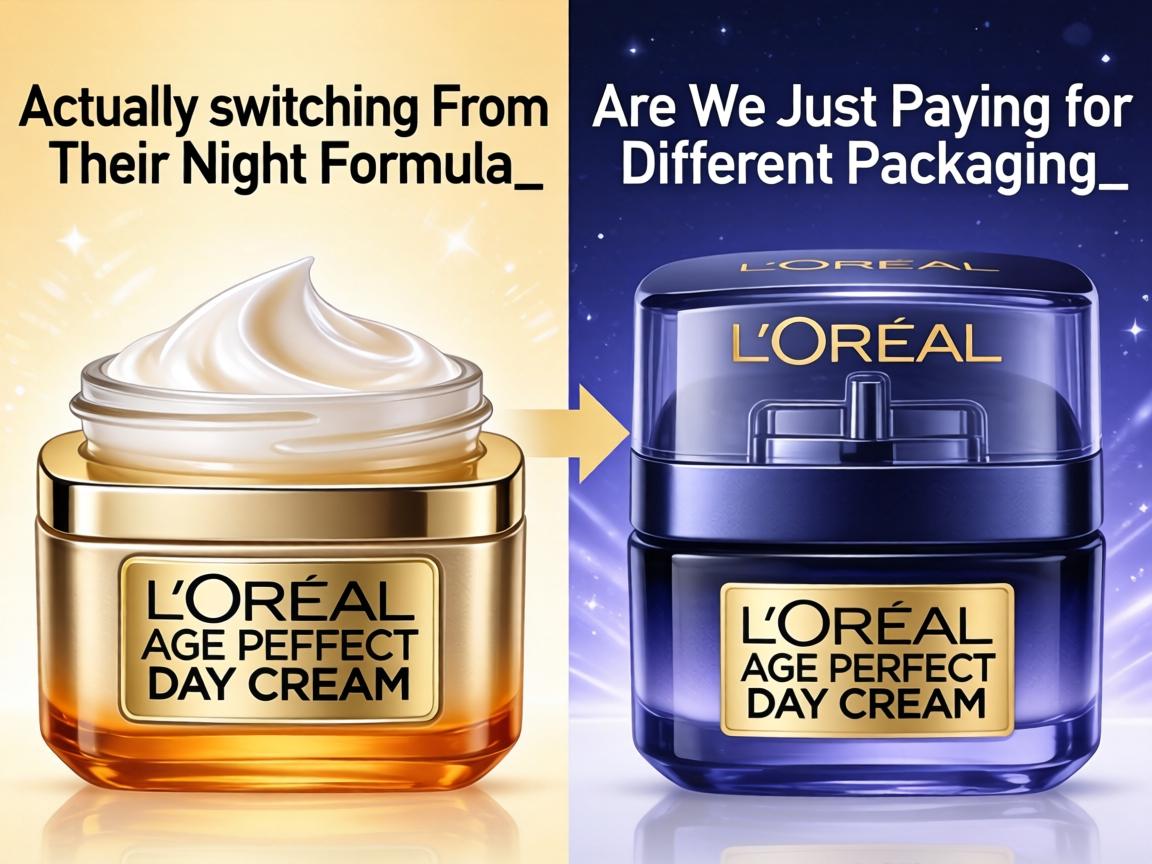
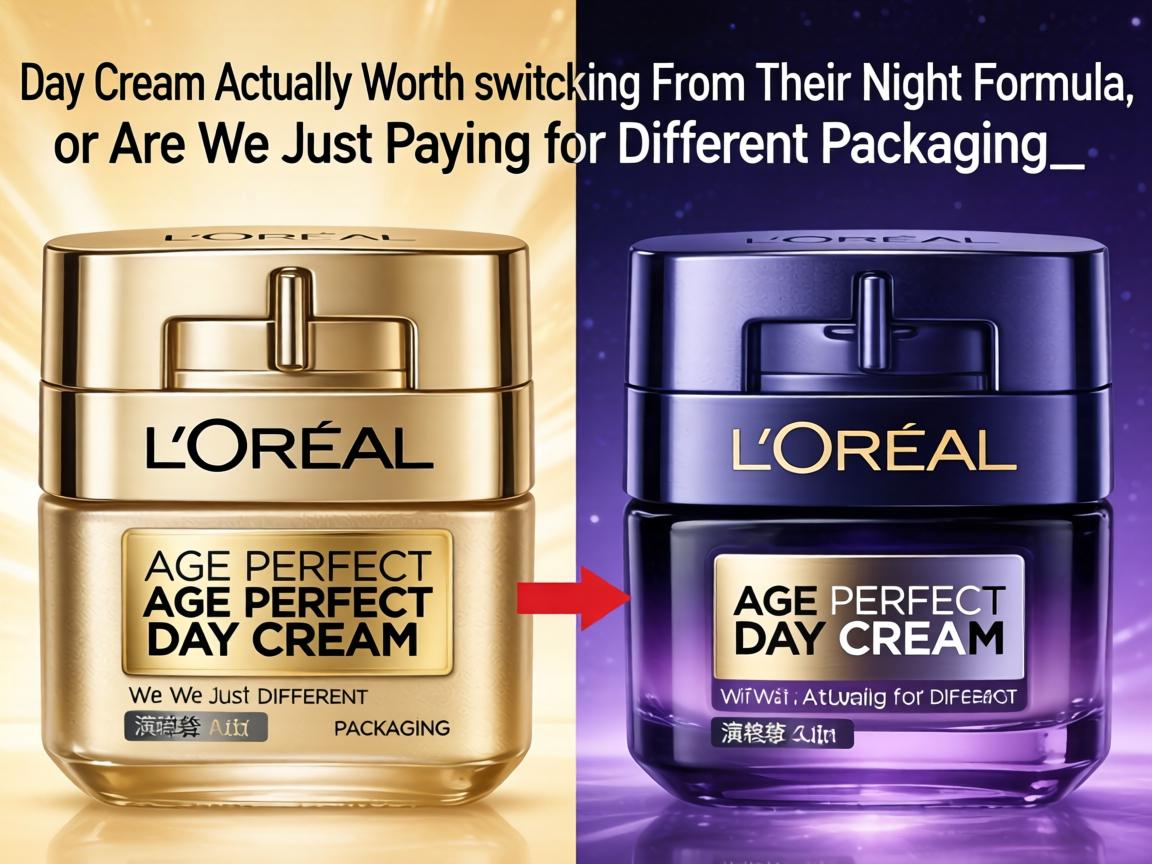
So here’s the thing—when you’re standing in that skincare aisle at Target or wherever, staring at these two nearly identical gold jars… you start wondering if L’Oréal is basically running a clever marketing trick on us, right? Age Perfect day cream versus night cream. Same brand, same “mature skin” promise, but one’s got SPF and the other claims to “repair while you sleep.” I mean, come on. Do we really need both? That’s what I kept asking myself last month when my mom’s birthday was coming up and she specifically requested “the good stuff, but not too complicated.”I ended up buying both. Partly because the buy-one-get-one-half-off deal got me, partly because I genuinely wanted to know if there’s actual science behind the separation or if it’s just… you know, skincare theater. Spoiler alert? It’s complicated. But not in the way you’d expect.What Even Makes Them Different, Though?
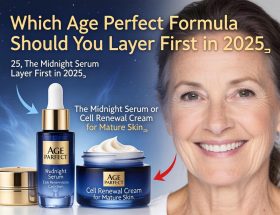
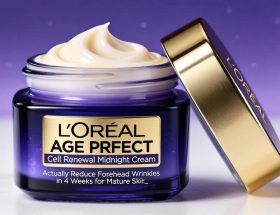
Okay so let’s break this down because the packaging sure doesn’t help. Both jars are heavy glass, that satisfying click when you close them, very “luxury drugstore” aesthetic. But when you actually look at the ingredient lists—and yes, I stood there in the store photographing the back panels like a weirdo—there are legitimate differences.The day cream has SPF 15, which… look, it’s not enough for serious sun protection if you’re actually going to be outside, but for “incidental exposure” as they call it? Running errands, walking to your car? It’s fine. More importantly, it’s got this soy seed extract thing that supposedly helps with skin density. The night cream swaps the sunscreen for higher concentrations of niacinamide and something called “soy seed extract plus”—I don’t know what the plus means, maybe marketing magic, maybe actual extra stuff.Texture-wise, and this matters more than people admit, the day cream absorbs faster. Like, noticeably faster. You can put makeup on after maybe three minutes. The night cream is richer, takes its time sinking in, leaves that slightly tacky feeling that some people hate but I actually find comforting? Like my face is wearing a little moisture blanket.But Do You Actually Need Both? Here’s Where It Gets Messy
This is the question my friends keep asking me. “Can’t I just use one?” And honestly… you can. The skin barrier police aren’t going to arrest you. But—and this is where I started actually paying attention to how my own face felt—there’s something to the rhythm of it.When I was using just the day version for everything, my skin felt… fine? But kind of tight in the mornings. Not dry exactly, just like it hadn’t quite recovered from the day before. Then I tried just the night cream during the day, which was a disaster because it’s so heavy that my foundation started sliding off by noon. Looked like I was melting. Not cute.So the separation does serve a purpose, but maybe not the purpose L’Oréal’s marketing team wants you to think. It’s less about “day nutrients” versus “night repair” and more about texture matching your life. Active during the day when you need to look presentable, cocooned at night when nobody’s watching and your skin can handle the grease.Let’s Talk About the Smell Because Everyone Ignores This
Fragrance in skincare is controversial now, I get it. But both of these have that classic L’Oréal scent—powdery, slightly floral, very “grandma’s vanity” in a way that honestly feels nostalgic to me. The night cream is stronger though. Like, if you’re sensitive to smells, this might be the deciding factor. I had to stop using it for a week because my partner complained about “perfume face” when we went to bed. The day cream is subtler, fades faster.Is the fragrance doing anything for your skin? Obviously not. But there’s something psychological about it, right? That scent signals “skincare ritual” to your brain. When I smell that powdery note at night, my shoulders literally drop. I’m not saying that’s worth $25, but I’m not saying it isn’t either.The Real Question: Who Are These Actually For?
L’Oréal says “mature skin” which they define as 50+, but here’s what I’ve noticed from giving samples to my mom, my aunt, and honestly using it myself at 34 when my skin was angry from retinol overuse—these are for compromised skin. Not necessarily old skin. Skin that’s dry, maybe a bit fragile, possibly dealing with hormonal weirdness.My mom’s in her 60s, has that classic post-menopause dryness where her cheeks feel like paper sometimes. The night cream genuinely helped with that within about two weeks. My aunt, same age group but oilier skin, found the day cream perfect but thought the night version broke her out. So it’s not even really about age, it’s about your specific dehydration level.What About the Price? Let’s Be Real
At around $25 each, or frequently on sale for buy-one-get-one, these sit in that awkward middle ground. Not cheap enough to be obviously “basic,” not expensive enough to feel truly luxurious. I think that’s intentional. L’Oréal knows their demographic—women who’ve maybe used department store stuff before but are tired of paying $80 for moisturizer, or younger women buying gifts for moms who “don’t want anything fancy.”Compared to something like Olay Regenerist, which is the obvious competitor? The Age Perfect line feels heavier, more substantial. Olay absorbs faster, feels more “modern.” L’Oréal went for that old-school cold cream vibe, which I think appeals to a specific person. My mom tried both, preferred L’Oréal because “it feels like it’s doing something.” Placebo? Maybe. But skincare is like 40% placebo anyway, and I’m fine with that.The Table Nobody Asked For But Everyone Needs
| What You’re Actually Comparing | Day Cream Reality | Night Cream Reality |
|---|---|---|
| Texture | Light, makeup-friendly | Rich, takes time to sink in |
| SPF | 15 (minimal, better than nothing) | None |
| Best for | Under foundation, quick mornings | Slugging without petroleum jelly |
| Fragrance strength | Medium, fades fast | Strong, lingers on pillow |
| The “extra” ingredient | Soy seed extract | “Plus” version of same, more niacinamide |
| When you’ll regret buying it | If you need real sun protection | If you hate sleeping with product on your face |
| Mom test result | “Nice, doesn’t feel greasy” | “Finally, something thick enough” |
So What’s the Verdict? Do I Recommend Them?
Here’s where I get personal, because that’s what this whole thing is about anyway. I think the night cream is the better product. There, I said it. The day cream is fine, but you can find SPF moisturizers everywhere. The night cream has that specific density that actually feels nourishing in a way most “anti-aging” products don’t. It’s not trying to be clever with peptides or retinoids or whatever the current buzzword is. It’s just… rich. And sometimes that’s what skin wants.But buying both? That’s where I’m conflicted. If you’re on a budget, get the night cream and use a separate SPF in the morning. If you love the ritual and the matching jars make you happy, sure, get the set. The day cream isn’t bad, it’s just not special in the same way.My mom uses both now. She likes the “system” of it, the morning and night distinction. Says it makes her feel like she’s “taking care of herself properly.” And honestly? That’s probably worth the extra $12 when it’s on sale. The actual ingredient difference exists, but the psychological benefit might be bigger.One Last Thing About Expectations
Don’t expect miracles. These aren’t going to erase wrinkles or lift anything. What they do is make your skin feel comfortable, which sounds boring until you’ve spent years with tight, angry skin. The “age perfect” promise is really about acceptance, I think. Not fighting aging so much as making peace with it, keeping your skin healthy rather than trying to reverse time.That’s probably why they sell so well, when you think about it. It’s not hope in a jar. It’s more like… permission to stop worrying so much.