What’s the Real Difference Between L’Oréal Pure-Clay Mask and Their Clay Cleanser—And Which One Actually Deserves Your Money_
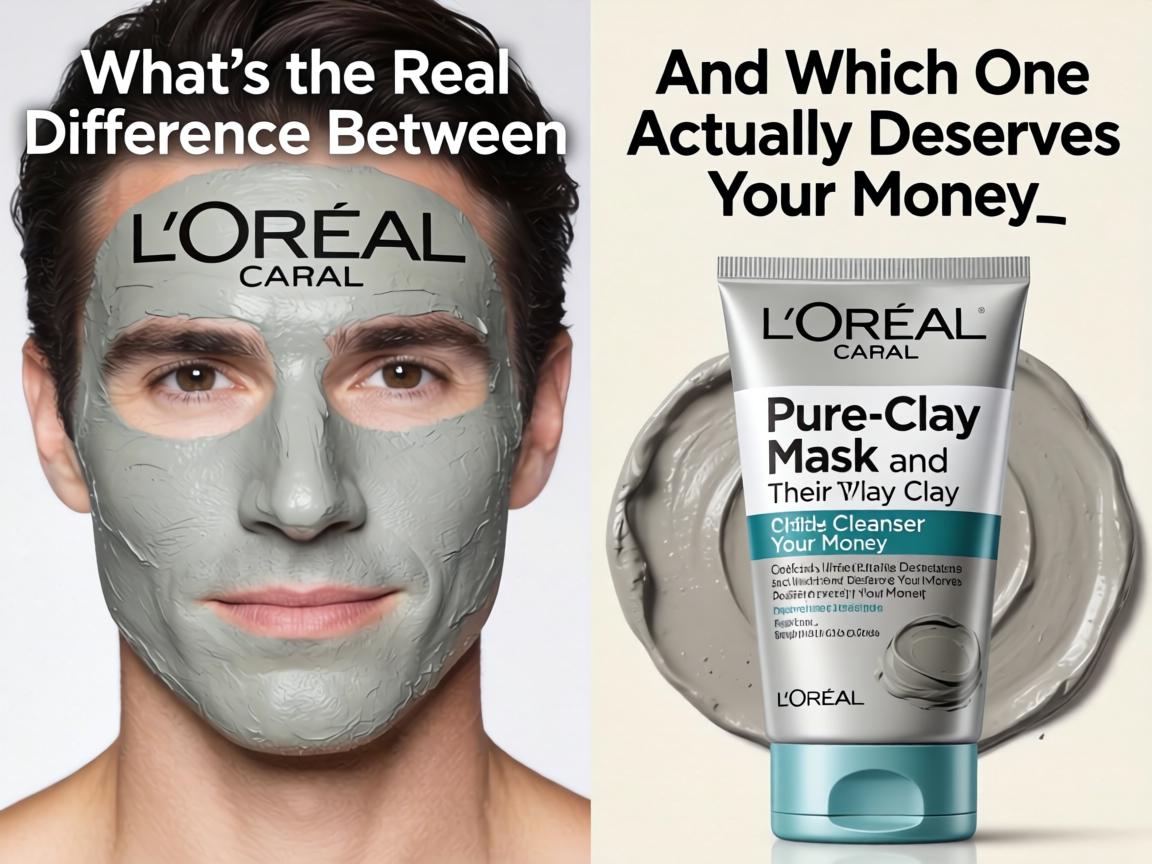
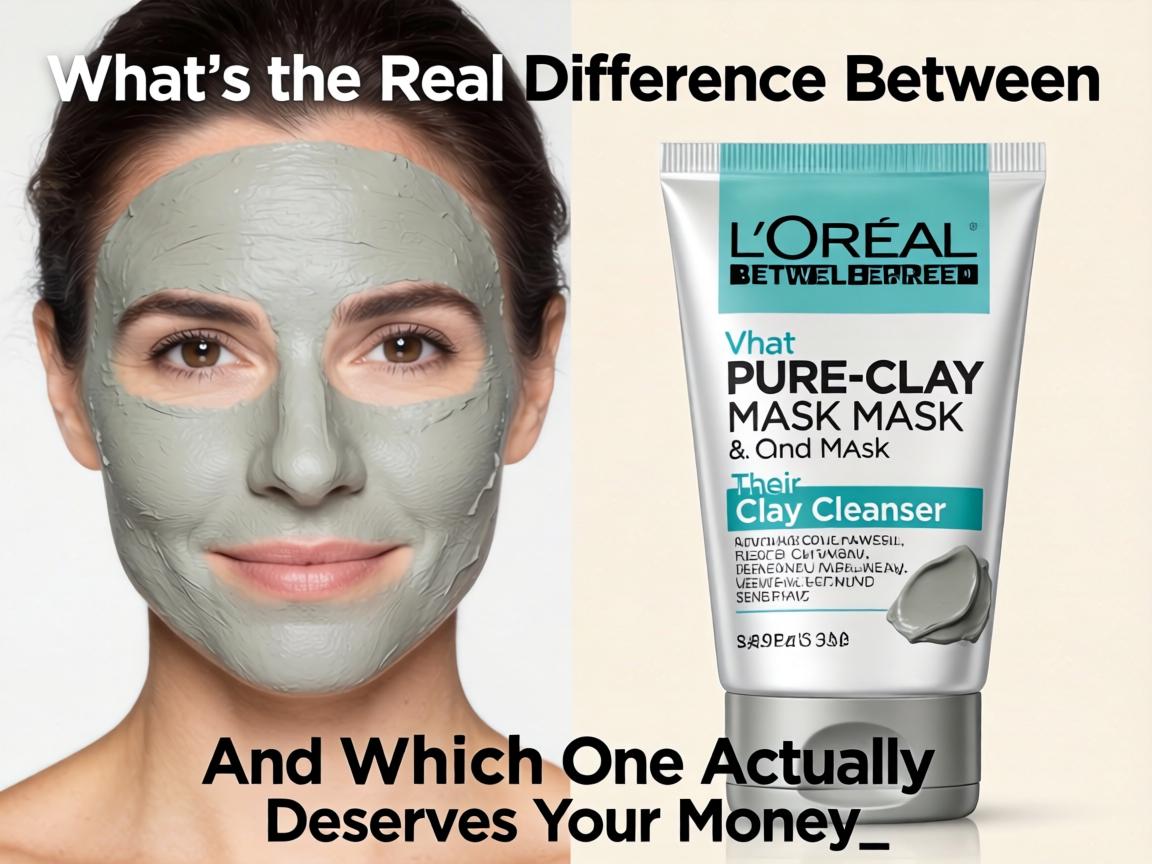
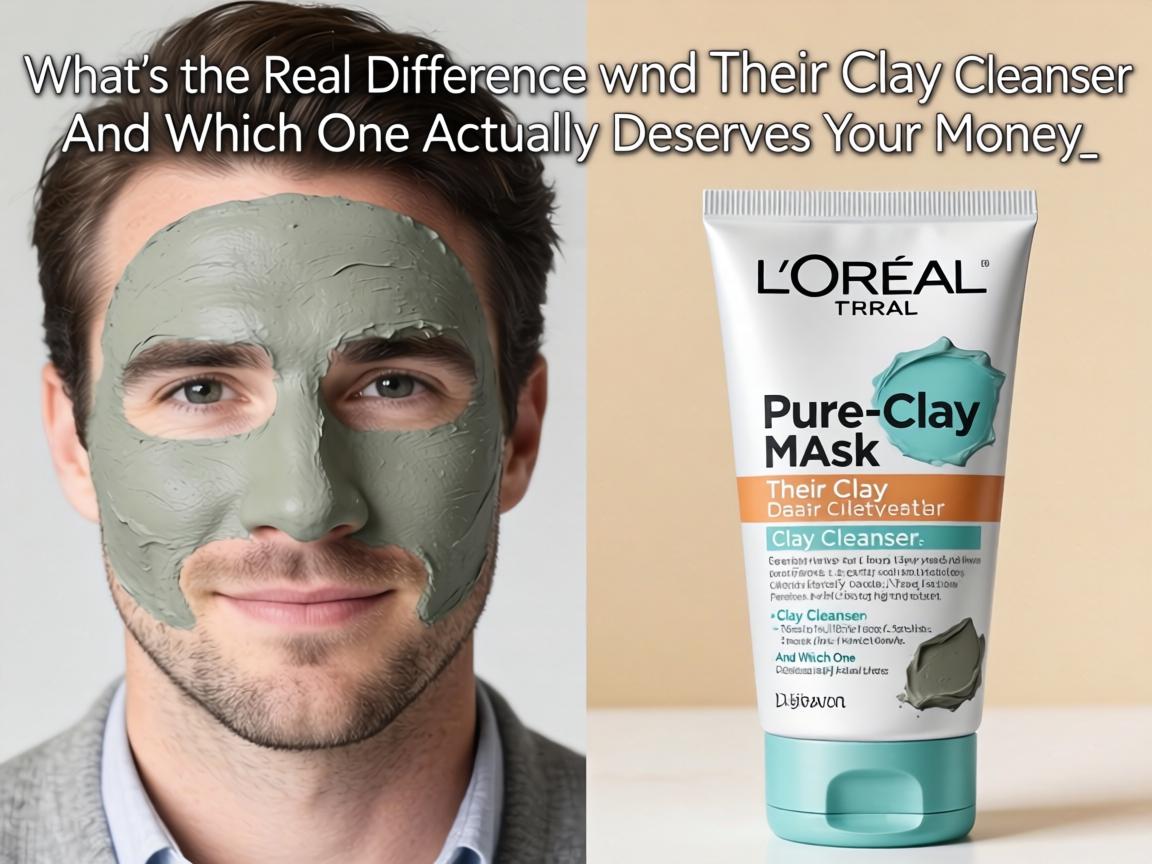
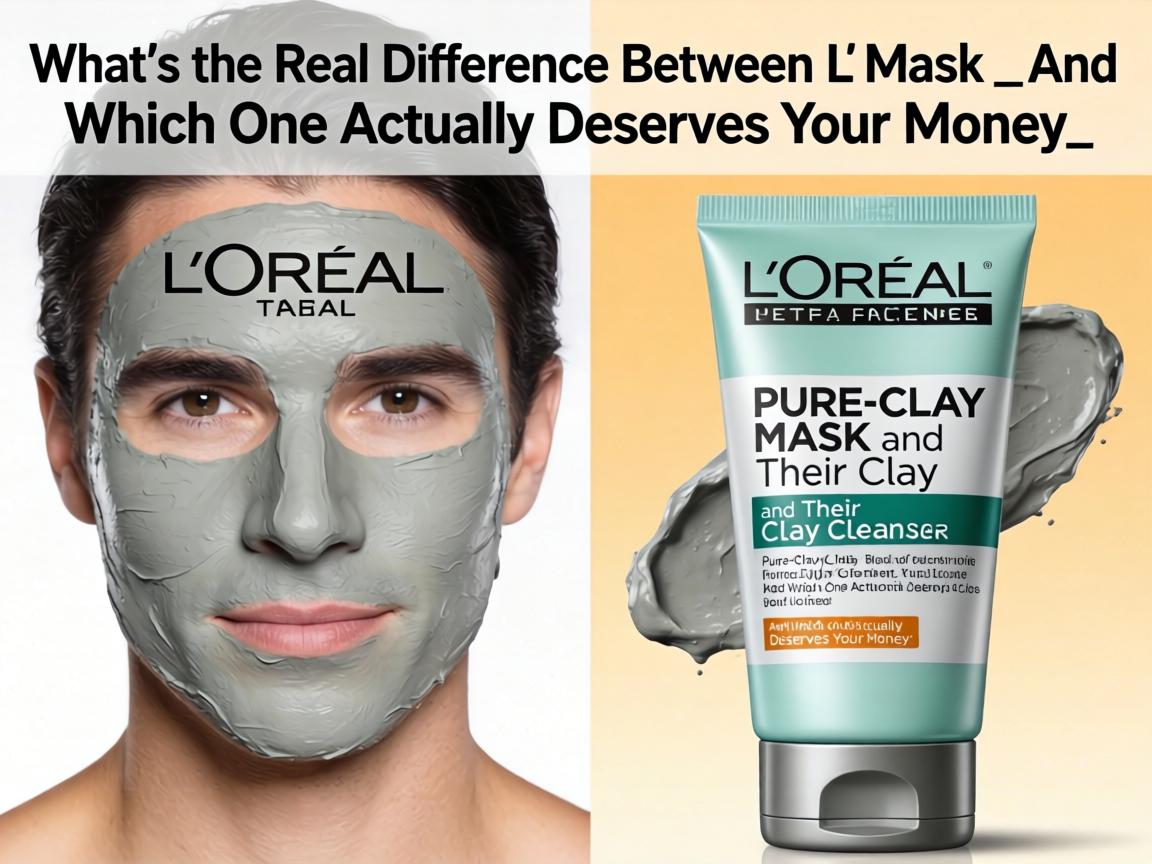
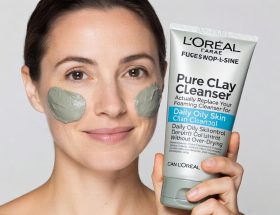
If you’ve been scrolling through skincare threads lately, you’ve probably seen the same question pop up again and again: L’Oréal Pure-Clay mask versus their clay cleanser—are they basically the same thing in different packaging, or is one actually worth skipping? I kept seeing this comparison requested in comments, so, well, here we are. We’re going to break this down properly.First, let’s get the obvious stuff out of the way. Both products use that same “Pure-Clay” branding, both mention charcoal or eucalyptus or whatever variant you’ve picked up, and both promise to suck the gunk out of your pores. But here’s where things get messy—because “clay” means different things depending on how long it sits on your face.So what are we actually comparing here?
The mask is your traditional leave-on-then-rinse treatment. You slap it on, wait ten to fifteen minutes (or until you look like a cracked desert floor), then wash it off. The cleanser, meanwhile, is meant for daily use—massage in, rinse quickly, done. Different contact time, different concentration levels, different results. Pretty straightforward when you think about it, but somehow this confuses people constantly.Key differences worth noting:
- Contact duration
— Mask sits; cleanser touches and goes
- Ingredient concentration
— Masks typically pack more clay per application
- Frequency of use
— Daily cleanser versus 2-3 times weekly mask
- Texture and feel
— Mask dries down; cleanser stays creamy
Now, here’s where my personal experience comes in, because I’ve used both for stretches of time. The mask—that tightening sensation as it dries? Some people love it, others find it uncomfortable. I fall somewhere in the middle. It definitely feels like it’s “working,” whether that’s psychological or physiological, who knows. But my skin does look less congested after, especially around the nose area where I get those annoying visible pores.The cleanser, though. It’s gentler, obviously. You can use it morning and night without your face feeling stripped. But—and this is important—it’s not going to give you that deep-clean feeling the mask provides. It’s maintenance, not intervention. I think a lot of people buy the cleanser expecting mask-level results and then feel disappointed when their blackheads don’t magically vanish.Which one should you actually buy?
This depends on what your skin needs right now, not what some influencer’s routine looks like. Let’s break it down with a simple comparison:
| Feature | Pure-Clay Mask | Pure-Clay Cleanser |
|---|---|---|
| Best for | Weekly deep cleaning | Daily oil control |
| Skin feel after | Tight, very clean | Fresh, balanced |
| Time investment | 10-15 minutes | 30 seconds |
| Visible pore reduction | More noticeable | Subtle, gradual |
| Risk of over-drying | Higher if used too often | Lower, but still possible |
| Price per use | Cheaper long-term | More expensive over time |
But some friends want to know—can you just use both?
Honestly? That’s probably the sweet spot. The way I’ve found works best is using the cleanser for your regular routine, then hitting the mask once or twice a week when your skin feels particularly grimy or before events where you want that extra-smooth texture. This way you get daily maintenance plus periodic intensive care without destroying your moisture barrier.What about the different variants—charcoal, eucalyptus, exfoliating?
L’Oréal loves releasing these in multiple “flavors,” and honestly, the core clay base is similar across most of them. The charcoal one gets marketed for detoxifying, eucalyptus for refreshing, there’s one with red algae for exfoliation. In my experience, the differences are marginal. Pick based on scent preference and whether your skin tolerates physical exfoliation (skip the scrubby ones if you’re sensitive).Here’s something people don’t talk about enough:
The mask can be messy. Like, genuinely annoying to remove if you don’t do it properly. I’ve found using it before a shower works best—let it dry, then rinse in the shower rather than at your sink. Otherwise you’re splashing water everywhere and still finding clay residue in your hairline twenty minutes later. The cleanser obviously doesn’t have this problem, which is worth factoring into your laziness coefficient.Real talk on results:
Neither of these is going to transform your skin dramatically. They’re drugstore products at drugstore prices, and that’s fine. What they do well is basic oil absorption and surface-level pore cleaning. If you have serious acne, cystic breakouts, or persistent blackheads that won’t budge, you probably need stronger actives—salicylic acid, retinoids, professional extractions. These clay products are more like… preventive maintenance? Keeping things from getting worse rather than fixing existing problems.So, final thoughts—what would I actually recommend?
If I had to pick just one? Probably the cleanser, just because it’s more practical for daily life. But that feels like a boring answer. The mask is more satisfying to use, gives you that spa-moment feeling, and when your skin actually needs help, it’s the one that delivers.Maybe the real insight here is that we’re all looking for simple solutions to complicated skin issues. One product won’t fix everything. The mask versus cleanser debate is really about understanding what your skin needs when—and being realistic about what a $12 clay product can actually accomplish.Hope this helps you figure out your next drugstore run. Sometimes the cheaper option really is fine, and sometimes spending on both makes sense. Your call, really.