Which Pure-Clay Formula Actually Unclogs Your Pores Better_ The Daily Cleanser or the Exfoliating Scrub for Oily Skin_

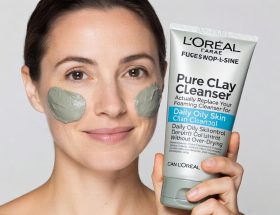
So here’s the thing about drugstore clay products—everyone’s throwing around words like “detoxifying” and “refining” but when you’re standing in the aisle at Ulta staring at that red tube versus the black one, you’re probably just wondering which one won’t turn your face into the Sahara Desert, right? I’ve been using both the L’Oréal Pure-Clay Cleanser (the charcoal one) and the Exfoliating & Refining Scrub (red algae) for about six weeks now, and honestly, the difference isn’t what the packaging claims—it’s about how often your skin can handle clay without fighting back.Let me break this down because I had the same question a lot of you probably have: if both products contain those three clays—kaolin, Moroccan lava clay, and montmorillonite—why does one cost the same but work completely differently? And more importantly, which one should you actually be reaching for when your T-zone looks like an oil slick by 2 PM?What’s the Real Difference Between These Two Anyway?
Okay so first, the Pure-Clay Cleanser (the one in the black tube with charcoal) is marketed as a daily detoxifying gel wash. It transforms from this creamy clay texture into a light mousse when you add water. The Exfoliating Scrub in the red tube? That’s got physical granules in it—tiny scrubbing particles mixed with red algae and salicylic acid. One’s a surface cleaner, the other’s doing mechanical exfoliation. Big difference in how your skin’s going to react.I made a comparison table because honestly, the back of the tubes don’t tell you enough:
| Feature | Pure-Clay Cleanser (Charcoal) | Exfoliating & Refining Scrub (Red Algae) |
|---|---|---|
| Texture
|
Creamy gel-to-mousse | Thick clay with physical granules |
| How Often
|
Daily (if your skin tolerates it) | 2-3 times per week max |
| Best For
|
Oily skin needing daily oil control | Textured skin, clogged pores, rough patches |
| Key Extras
|
Charcoal for detox | Red algae + salicylic acid + scrub particles |
| Drying Level
|
Moderate (surprisingly not terrible) | Higher risk if overused |
| Price
|
Around $6.99-$12.99 | Around $6.99-$12.99 |
The blogger often uses the charcoal cleanser as a second cleanse after removing makeup, and honestly? That’s where it shines. It’s not stripping like those foamy cleansers from high school that left your face feeling like plastic wrap. But some friends want to know—can you use the scrub daily if you have really oily skin? Let’s keep reading below!Can You Actually Use the Exfoliating Scrub Every Day?
Short answer: please don’t. I tried using the red tube every morning for a week because my pores were looking rough, and by day four my barrier was angry—redness, sensitivity, the whole thing. The scrub particles aren’t huge, but they’re there, and combined with salicylic acid, you’re doing too much. The official line says 2-3 times per week, and honestly, even that might be too much if you’re also using retinol or acids in your routine.The cleanser though? I’ve used that black tube five mornings a week without disaster. It’s gentler than I expected for something with clay and charcoal. When you rinse, there’s this smooth, almost squeaky-clean feeling—but not the bad kind of squeaky. More like… polished? Hard to describe.Which One Should You Buy If You Can Only Pick One?
This is where I get opinionated. If you’re dealing with active breakouts and textured skin, the Exfoliating Scrub is going to give you more immediate visible results. Those granules physically lift dead skin, and the salicylic acid gets into pores. But if you’re just managing general oiliness and want something for your daily shower routine, the Cleanser is more practical. You won’t run through it as fast because you’re not rationing it for “special” days.Wait, Do These Actually Work for Acne-Prone Skin?
From my experience—and what I’ve seen in reviews from other users with oily, acne-prone skin—these are decent budget options, but they’re not miracle workers. The cleanser helps with that greasy feeling throughout the day, and the scrub can help with post-acne texture. But if you’re expecting them to clear cystic acne or dramatically shrink pores permanently? That’s not happening. Pores don’t actually shrink, they just look smaller when clean. Anyone telling you otherwise is selling something.The Scent Situation Nobody Talks About
Both products are fragranced. Not lightly fragranced—like, noticeably perfumed. If you’re sensitive to smells, this might be a dealbreaker. I personally don’t love it, but it doesn’t linger after rinsing. Just something to know before you buy.What About the Other Versions?
There’s also a green one—Purifying & Mattifying with eucalyptus. I didn’t test that one because my skin doesn’t need extra mattifying, but from what I’ve read, it’s similar to the charcoal cleanser in texture, just targeting shine control specifically. The red scrub seems to be the most “active” of the three, if that makes sense.So What’s My Actual Recommendation?
If I had to repurchase only one? Honestly, I’d probably grab the Exfoliating Scrub and use it twice weekly, then find a gentler daily cleanser elsewhere. The scrub does something tangible—you feel smoother immediately after. The daily cleanser is… fine. It’s good. But it’s not doing anything you couldn’t get from other clay cleansers at this price point.That said, if you’re building a minimal routine and want one product that covers daily cleansing with occasional deeper cleaning? The scrub used sparingly plus a micellar water for daily use might be smarter than buying both. Or if you’re someone who just wants a simple shower product and doesn’t overthink skincare, the daily cleanser is less likely to mess up your face if you get lazy and use it too often.Hope this helps you figure out which tube deserves space on your bathroom shelf. Both are affordable, both do what they claim mostly, but they’re not interchangeable—despite looking like they should be.