Does L’Oréal True Match Lumi Glotion Work Better as Highlighter or Bronzer on Fair Skin in 2025_
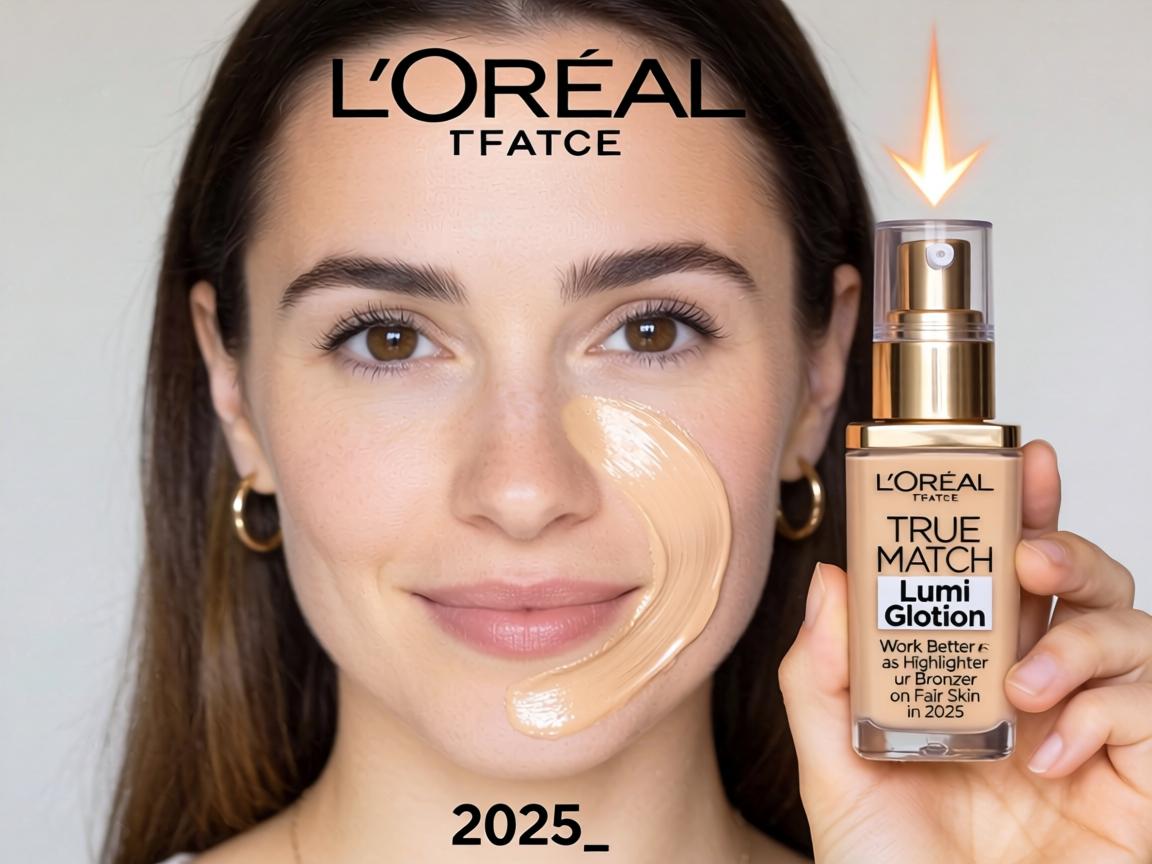
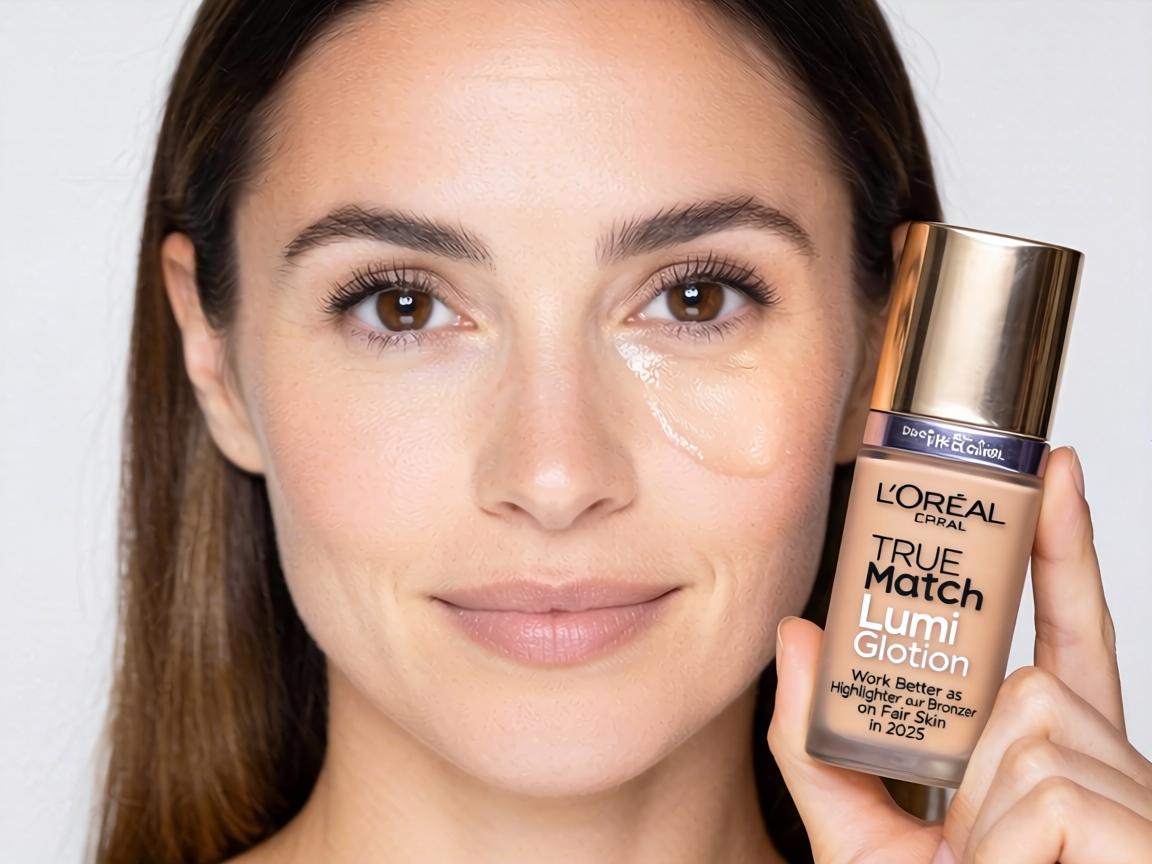
So here’s the thing—I kept seeing this product everywhere. TikTok, Instagram, those “best drugstore makeup 2025” lists. The L’Oréal True Match Lumi Glotion. People calling it a “natural glow enhancer,” a “multi-use highlighting lotion,” a “bronzer alternative.” But when you’re pale like me—like, genuinely fair with cool undertones—products that claim to do everything usually end up doing nothing well. Or worse, they make you look like you rubbed Cheetos dust on your face.I grabbed the Fair Glow shade 901. Because that’s what the internet said fair skin people should get. And I also picked up Light Glow 902, just to compare. Three weeks of testing. Different lighting. Different base products. Here’s what actually happened.What Even Is This Product?
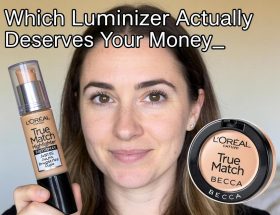
The True Match Lumi Glotion comes in a squeeze tube. Four shades total—Fair, Light, Medium, Deep. The marketing says you can wear it alone, under foundation, over foundation, or as a “targeted highlighter.” It’s got glycerin and shea butter. Supposed to hydrate for 24 hours. But here’s where it gets confusing. Some reviews call it a highlighter. Others call it a bronzer. The brand itself seems… vague? Like they want it to be everything to everyone.I started with the obvious question: Is this actually a highlighter or a bronzer for fair skin?
And honestly? After three weeks, I think the answer depends entirely on which shade you buy and how you use it. Let me break this down.Testing Shade 901 Fair Glow: The Highlighter Test
Fair Glow is described as a “pearlescent pale pink shimmer.” When I squeezed it out, it looked almost white with a subtle pink iridescence. Very liquidy. Very lightweight.I tried it three ways:First—over foundation, on cheekbones, nose bridge, inner corners. The result? Actually pretty. Not blinding. Not metallic. Just this… soft sheen. Like your skin decided to be healthy for once. I got compliments. Three different people said my skin looked “luminous.” Which, okay, that’s what the marketing claims, but sometimes marketing isn’t lying.Second—mixed with moisturizer all over. This was interesting. It created this all-over glow that made me look like I slept eight hours and drink green juice. But by hour six, on my combination skin, it started looking… shiny. Not glowy. Shiny. The kind of shiny where you worry people think you’re sweating.Third—under foundation. This was the least successful. It made my foundation look slightly lighter and more luminous, but it also seemed to make my base break down faster around my nose. Maybe the glycerin? I don’t know. I’m not a cosmetic chemist.Testing Shade 902 Light Glow: The Bronzer Question
Now Light Glow is where things get complicated. This shade is described as having a “rosy/bronze glow.” It’s definitely darker than Fair Glow. More golden. More… warm.I tried using it as a bronzer on my fair skin. And this is where I ran into problems.On fair skin, Light Glow reads orange. Not dramatically. Not clown-like. But definitely warm. Too warm for my cool undertones. I applied it where bronzer goes—temples, cheekbones, jawline. And I looked… sunburned? Not in a cute way. Just slightly irritated-looking.But then I tried mixing a tiny amount with my regular moisturizer. Just a pea-sized amount all over. And that worked better. It gave me this subtle warmth that looked like I’d been outside for twenty minutes. Not a tan. Just… alive.The Real Question: Can Fair Skin Use This as Both?
So here’s what I kept asking myself. Do I need both shades? Is Fair Glow the highlighter and Light Glow the bronzer? Or is this whole “multi-use” thing just marketing fluff?I made a comparison table after two weeks of notes:
| What I Tested | Fair Glow 901 Result | Light Glow 902 Result |
|---|---|---|
| As highlighter on cheekbones
|
Beautiful pearlescent sheen, not too much | Too dark, looks like blush gone wrong |
| As all-over glow under foundation
|
Nice luminosity, breaks down by hour 6 | Too warm, foundation looks orangey |
| As bronzer on fair skin
|
Basically invisible | Visible but slightly orange |
| Mixed with moisturizer
|
Subtle radiance, good for no-makeup days | Warmth that looks natural if used sparingly |
| On body (collarbones, shoulders)
|
Pretty but barely visible | Nice sunkissed effect on pale skin |
What About the Bronzer vs Highlighter Confusion?
I think the confusion comes from how L’Oréal markets this. They say “the lighter shades are intended for use as highlighters, while the darker shades can be used to bronze all-over or contour.” But here’s the problem—on truly fair skin, even the “darker” shades (Light, Medium) don’t really bronze. They just… add warmth. And if you have cool undertones, that warmth can look wrong.I have a friend with fair skin but warm undertones. She tried Light Glow and it looked amazing on her. Like she’d been to the beach. On me? Different story.The Wear Test Reality
Let’s talk about longevity. Because that’s what matters when you’re actually wearing this stuff to work, to dinner, to wherever.The formula is lightweight. Not greasy, not sticky. That part is true. But on my combination skin, the glow turned to shine after about 5-6 hours. Not everywhere—just my T-zone. And the product didn’t exactly fade… it just looked less “lit from within” and more “my skin is producing oil.”I tried setting it with powder. That helped the longevity but killed the glow. Which defeats the purpose, right?What the “Experts” Say vs Reality
Celebrity makeup artist Kelli Anne Sewell apparently loves this product. Calls it “better than some high-end formulas.” Says it’s “the perfect balance of a little glow, a little bronze, and a little coverage.” And I get it. If you have normal to dry skin with neutral or warm undertones, this probably is amazing. The blurring effect is real. The hydration is real. But for fair, cool-toned, combination skin? It’s more complicated. You have to be strategic. You can’t just slap it on and expect magic.So… Highlighter or Bronzer for Fair Skin?
After three weeks, here’s my personal take:If you have fair skin and you’re choosing between using this as highlighter or bronzer, pick highlighter
. Specifically, pick Fair Glow 901. Use it on cheekbones, nose, inner corners. Maybe mix a tiny bit with moisturizer if you want all-over radiance.Don’t try to force it as a bronzer unless you have warm undertones. Just… don’t. You’ll save yourself the orange panic.But also? This isn’t really a bronzer for fair skin. Not in the traditional sense. It’s a glow product. A radiance booster. A “your skin but better” situation.The Real Comparison: Should You Just Buy Separate Products?
I started wondering—would I be better off with a dedicated highlighter and a dedicated bronzer?I looked at what else is out there in 2025. The e.l.f. Halo Glow Highlight Beauty Wand is $9 and “intensely pigmented.” The Physicians Formula Murumuru Butter Bronzer has a “Light Bronzer” shade that’s specifically designed for fair skin with neutral undertones. L’Oréal’s own Lumi Le Glass Highlighter Stick is $13 and apparently “melts onto the skin” with “super-fine shimmer.” So… why buy the Glotion trying to be both when you could get specialized products?Honestly? Convenience. The Glotion is one tube. It’s travel-friendly. It’s versatile if you know how to use it. But if you want specific results—actual highlighting, actual bronzing—you might be better off with dedicated products.My Personal Verdict After Three Weeks
I’m keeping Fair Glow 901. It earned a spot in my routine. Not as a bronzer. As that subtle, “is she wearing makeup?” glow product. I use it on no-makeup days mixed with moisturizer. I use it on full makeup days as a highlighter. I don’t use it as bronzer because… I can’t.Light Glow 902? I’m probably passing to my warmer-toned friend. It’s not bad. It’s just not for me.If you’re fair skinned and cool toned, get Fair Glow. Use it as highlighter. Don’t expect it to bronze. Don’t expect it to contour. Expect it to make you look healthy and awake. That’s what it does well.If you’re fair but warm toned, you might get away with Light Glow as a subtle bronzer. But test it first. The orange risk is real.One Last Thing About the “Natural” Claim
They say this gives a “natural glow.” And I think, for fair skin, that’s only true if you use it sparingly. The more you build, the less natural it looks. One layer? Beautiful. Three layers? You’re entering metallic territory.Also, the “24-hour hydration” claim? I didn’t notice that. It didn’t dry out my skin, sure. But it wasn’t like wearing a moisturizer all day either. Maybe if you have oily skin, the glycerin feels hydrating. On my combination skin, it just felt… fine.Bottom Line
Does L’Oréal True Match Lumi Glotion work better as highlighter or bronzer on fair skin?Highlighter. Definitely highlighter. Specifically the Fair Glow shade. Used sparingly. With realistic expectations.It’s not going to replace your Charlotte Tilbury or your Rare Beauty. But for $14.99 at the drugstore? It’s a solid glow product that won’t make fair skin look muddy or orange—if you use it right.Just don’t believe the “multi-use” hype completely. It’s multi-use for some skin tones. For fair skin, it’s mostly just a really nice highlighter.