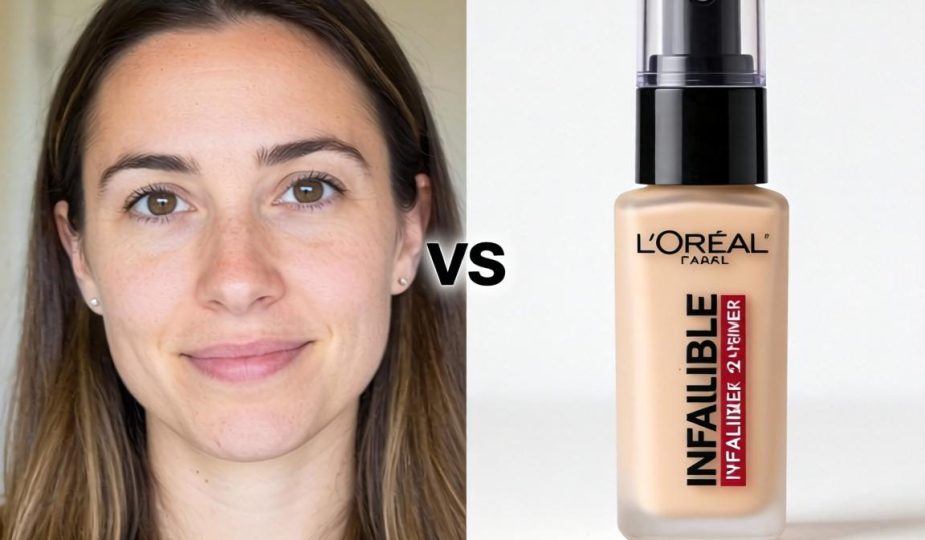
Which L’Oréal Infallible Primer Actually Locks Makeup for 12 Hours_ Pro Glow Lock vs Grip Primer Ingredients Test
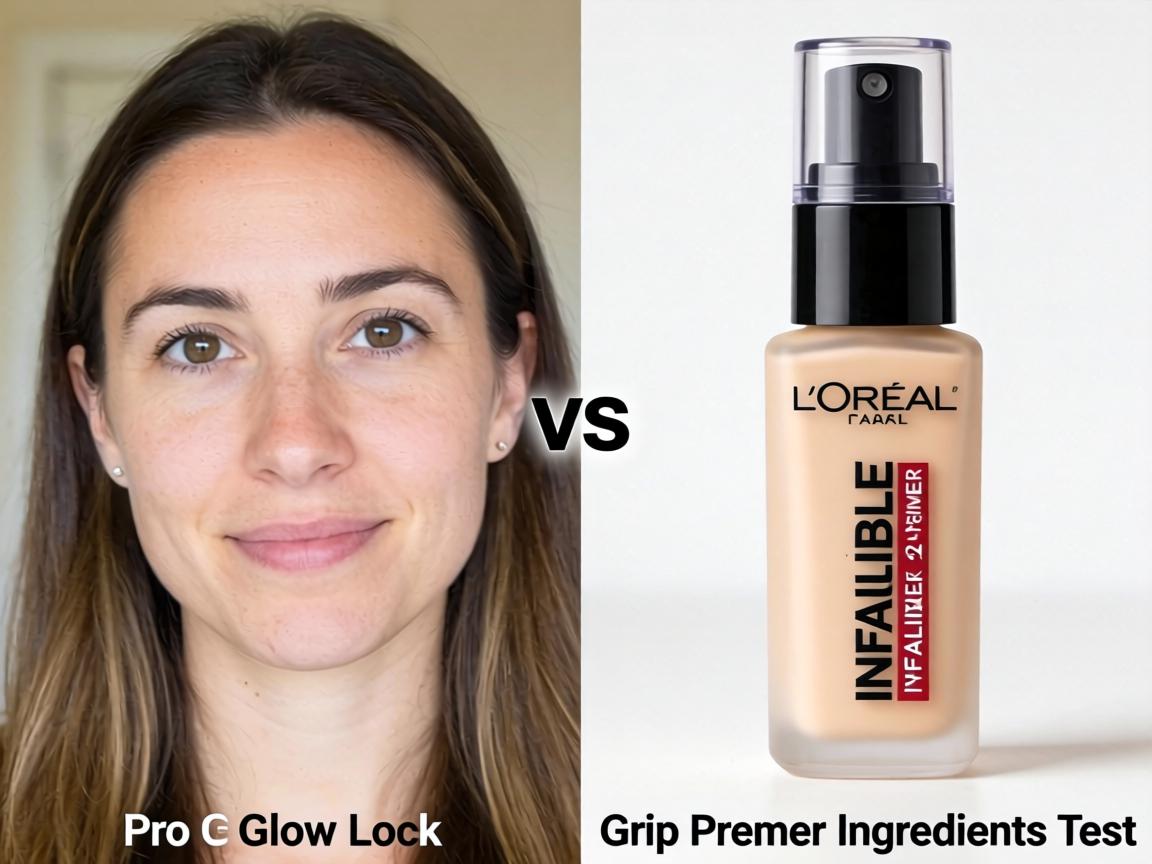
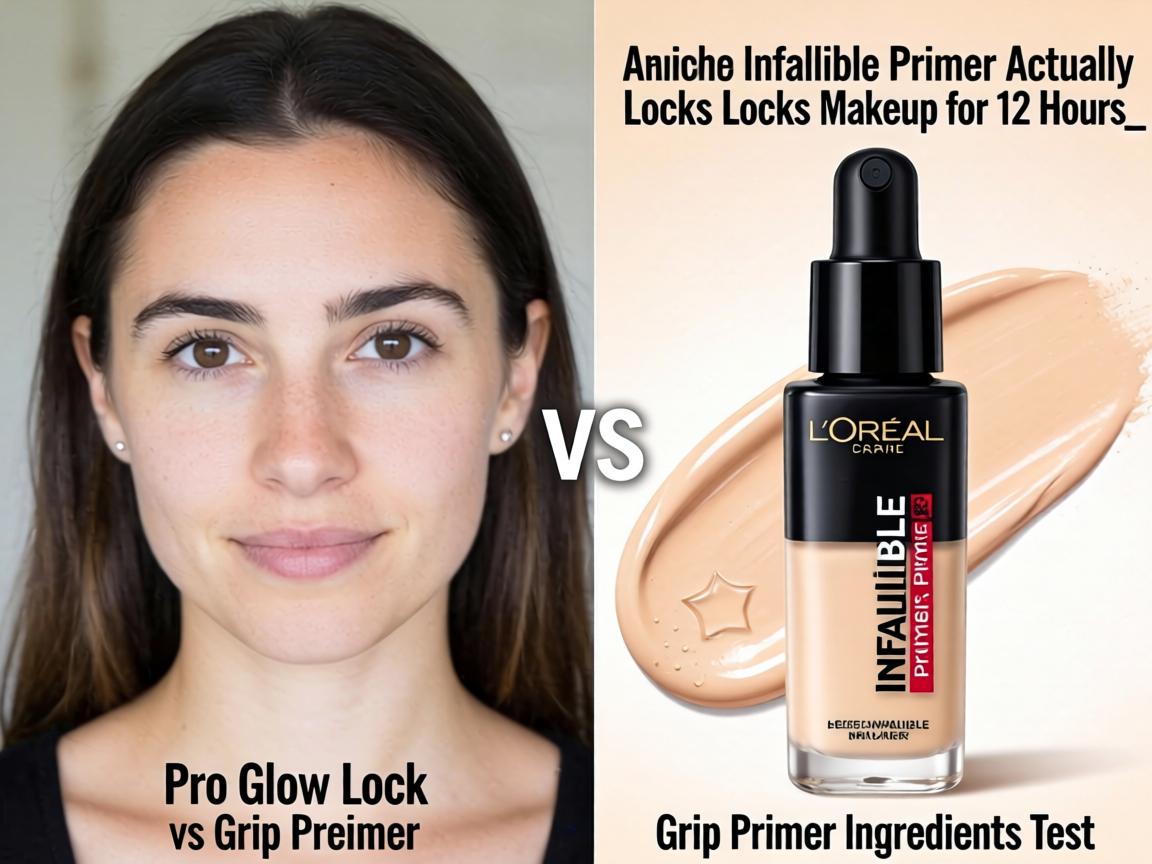
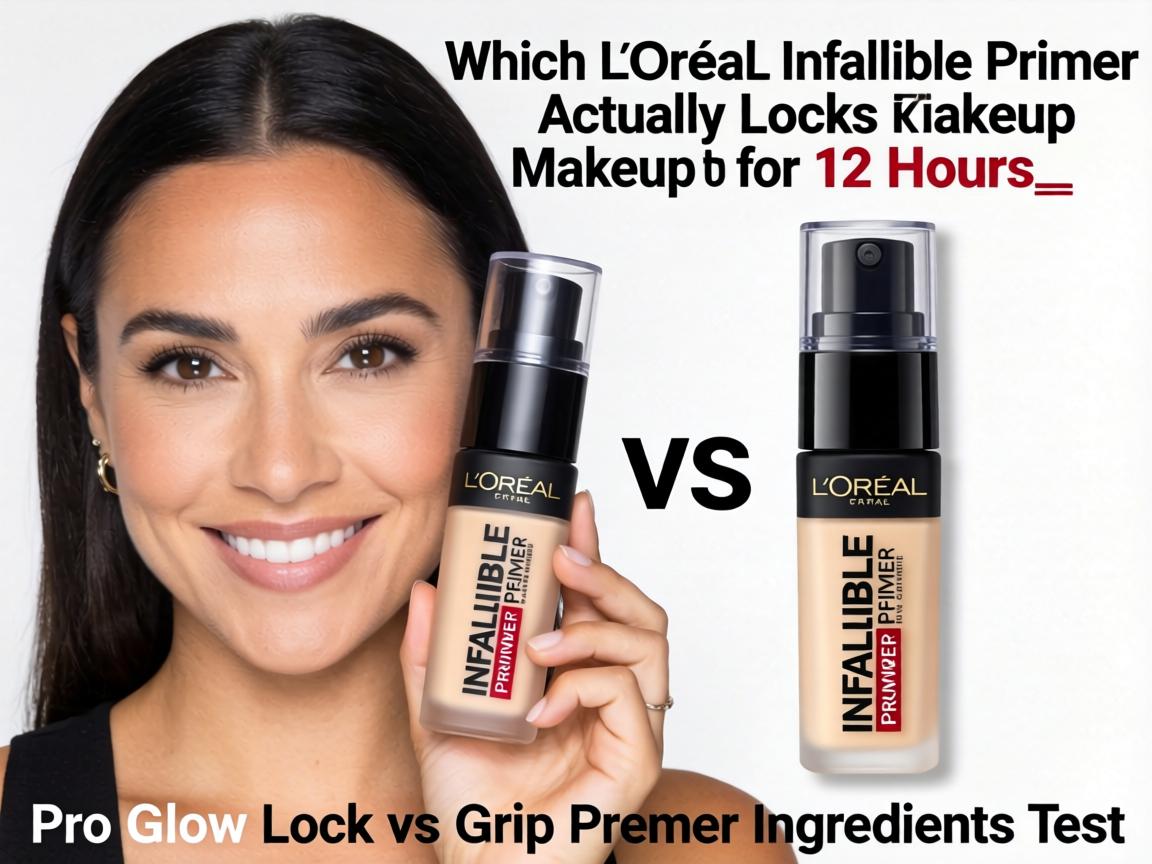
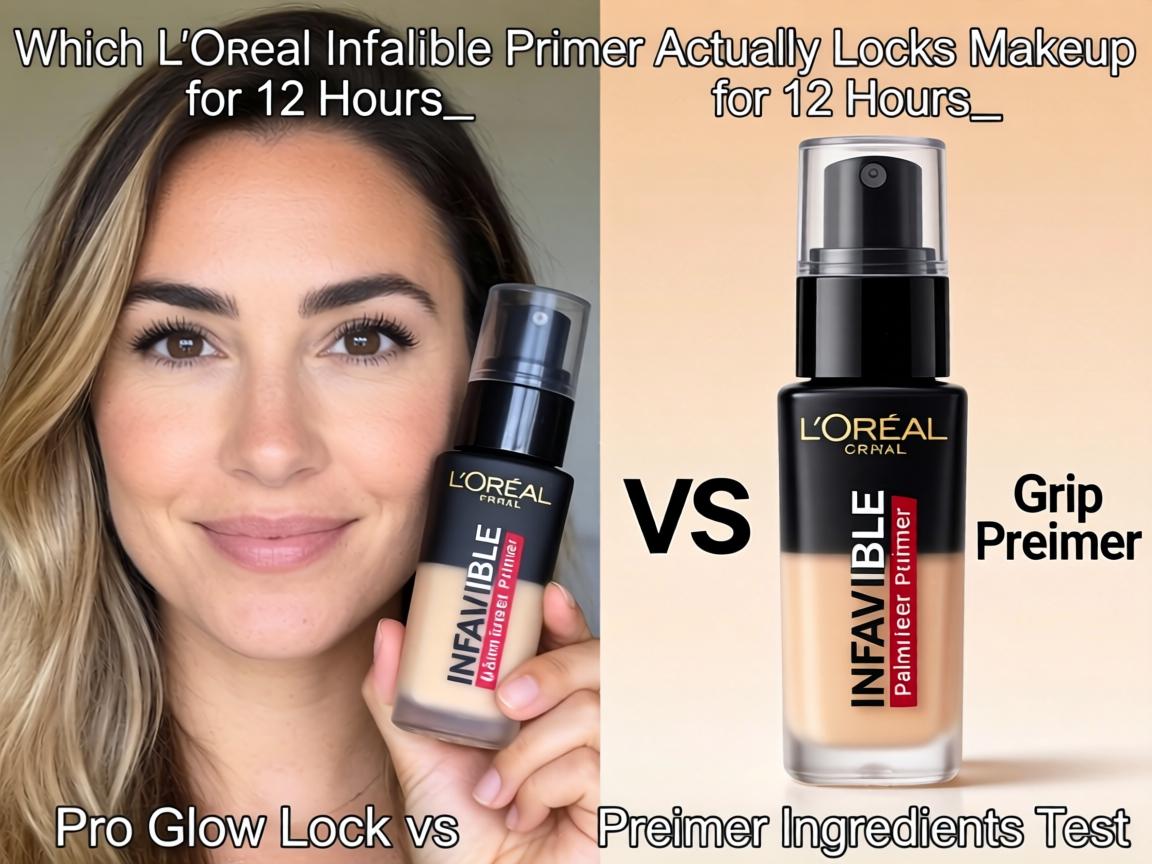
Ever put on primer at 7 AM only to find your foundation sliding off by lunch? Yeah, that was me last month. So I grabbed both of L’Oréal’s bestselling Infallible primers—the Pro Glow Lock and the Grip Primer—and tested them through sweaty commutes, back-to-back Zoom calls, and a particularly disastrous hot yoga session. Here’s what the ingredient lists actually tell us about which one deserves your $13.When we talk about L’Oréal Infallible primer ingredients, we’re really comparing two completely different formulation philosophies. The Pro Glow Lock is built on a silicone-heavy base with dimethicone as the second ingredient , while the Grip Primer takes a water-based approach with magnesium aluminum silicate (that’s clay, basically) as its thickening agent . This distinction matters way more than the marketing suggests.So what’s the real difference between these two?
Let me break it down because I had the same question. The Pro Glow Lock uses dimethicone at 6.3-9.4% concentration combined with glycerin at 3.7-5.6% . This creates that silky, glide-on texture that fills in pores and fine lines immediately. It’s designed for that “filtered skin” look before you even apply foundation.The Grip Primer, meanwhile, lists water first, then clay minerals, then propylene glycol and glycerin . It contains sodium hyaluronate for hydration and enantia chlorantha bark extract—which is supposed to help with oil control. No heavy silicones here, which explains why it feels more like a skincare serum than a traditional primer.But here’s the question: which one actually keeps makeup on longer?
I tested both for two weeks each, alternating days. Same foundation (L’Oréal Infallible Pro-Matte), same setting spray, same routine. The results were… unexpected.Week 1: Pro Glow Lock Testing
Day 1-3, I was impressed. The application is genuinely luxurious—spreads like silk, creates this perfect canvas. My foundation looked airbrushed. But by hour 6, I noticed something. The glow effect? It turns into shine on my T-zone. Not cute. The silicone barrier that feels so nice initially starts to break down when my natural oils push through.Day 4-7, I tried different foundations. With dewy formulas, the Pro Glow Lock was actually too much—slippery, prone to transfer. With matte foundations, it worked better. But here’s what nobody mentions: the methyl methacrylate crosspolymer at 1.4-2.1% is a film-former that can pill if you apply too much or layer products too quickly. I learned this the hard way with visible balled-up product on my jawline.Week 2: Grip Primer Testing
Completely different experience. The texture is… weird at first. Watery but slightly tacky. Takes about 60 seconds to set. But once it does? My foundation adheres differently. Not sliding over the surface—actually gripping to it.The clay base (magnesium aluminum silicate) absorbs excess oil throughout the day . I noticed my T-zone stayed matte longer, and my makeup didn’t shift during that hot yoga session where the Pro Glow Lock had completely failed me. The sodium hyaluronate kept my skin hydrated without adding shine.Wait, so is the Grip Primer actually better?
Not so fast. Here’s where it gets complicated. The Grip Primer is fragrance-free and free of common irritants , which is great for sensitive skin. But that water-based formula? It can be tricky with certain foundations. I tried it with a silicone-heavy foundation and got patchiness—the water and silicone repelled each other slightly.The Pro Glow Lock, despite its silicone base, is actually more universally compatible because most foundations are built on similar silicone technology . It plays nice with others, even if it doesn’t last as long on oily skin.The Ingredient Deep Dive Nobody Asked For
Let’s talk about what these formulas are actually doing. The Pro Glow Lock’s dimethicone crosspolymer creates a breathable film that smooths texture . It’s occlusive but not suffocating. The glycerin pulls water into the skin, giving that plump effect. But—and this is important—silicone primers can accelerate makeup breakdown if your skin produces enough oil to dissolve the film.The Grip Primer’s enantia chlorantha bark extract and oleanolic acid combination is interesting . These are botanical ingredients claimed to regulate sebum production. Realistically? They might help slightly, but the oil control mostly comes from that clay base absorbing grease throughout the day.Here’s the comparison nobody else is making:
| What Actually Matters | Pro Glow Lock | Grip Primer |
|---|---|---|
| Base Texture
|
Silky, silicone-heavy | Watery, slightly tacky |
| Best Skin Type
|
Normal to dry | Oily to combination |
| Foundation Compatibility
|
Universal | Water-based only |
| Oil Control
|
Poor—becomes shiny | Good—absorbs excess |
| Longevity on Oily Skin
|
4-6 hours | 8-10 hours |
| Sensitive Skin Safe
|
Contains fragrance | Fragrance-free |
| Pilling Risk
|
High if over-applied | Low |
| Immediate Effect
|
Pore-filling, smoothing | Minimal visible effect |
| Price Point
|
~$12-14 | ~$12-14 |
But what about the “best seller” claims?
L’Oréal markets both as bestsellers, but here’s the thing—the Pro Glow Lock gets more influencer hype because of that immediate smoothing effect. It’s satisfying to apply. You see results right away. The Grip Primer is more of a slow burn; you don’t notice it working until hour 8 when your makeup still looks decent.Drugstore competitors like Maybelline Baby Skin use similar silicone technology to the Pro Glow Lock , while e.l.f.’s Power Grip Primer competes directly with L’Oréal’s Grip formula . The Infallible line holds its own because of the brand’s formulation expertise, but you’re paying slightly more for the name.Who should actually buy which one?
If you have dry skin, visible pores, or you photograph frequently, the Pro Glow Lock makes sense. That dimethicone base reflects light beautifully and creates instant smoothness . Just know you’ll need blotting papers by midday if you’re combination skin.If you’re oily, acne-prone, or you need makeup to survive heat and humidity, the Grip Primer is the obvious choice. The clay base and oil-regulating ingredients actually address the root cause of makeup breakdown rather than just masking it temporarily .The hidden drawback nobody mentions:
The Pro Glow Lock contains fragrance. Not listed prominently, but it’s there. After three days of continuous use, I noticed slight irritation around my nose where my skin is most sensitive. The Grip Primer, being fragrance-free and rated safe for sensitive skin , didn’t cause this issue.Conversely, the Grip Primer’s water base means it can freeze-thaw poorly. I left it in my car overnight during a cold snap and the texture changed permanently. The Pro Glow Lock’s silicone base is more stable in temperature extremes.Final thoughts (not a summary, just my opinion):
I’ve stopped using the Pro Glow Lock on my T-zone entirely. It’s now my “cheek and under-eye only” primer where I want that smoothing effect without oil concerns. For everywhere else? The Grip Primer has become my daily driver because I value longevity over immediate gratification.But honestly? If L’Oréal combined the Pro Glow Lock’s immediate smoothing with the Grip Primer’s oil control and sensitivity-friendly formula, they’d have a perfect product. As it stands, most people will need both for different areas or different days.One last thing—I noticed the Grip Primer works better when you let it fully set (90 seconds) before applying foundation. Rush this step and you lose the gripping effect entirely. The Pro Glow Lock is more forgiving; you can apply foundation immediately.Hope this helps you decide which tube to add to your cart. Both are decent for the price, but they’re solving different problems. Know your skin, know your priorities, and choose accordingly.