Which True Match Product Gives You That _Lit From Within_ Glow_ The Blush or the Highlighter for Everyday Wear_
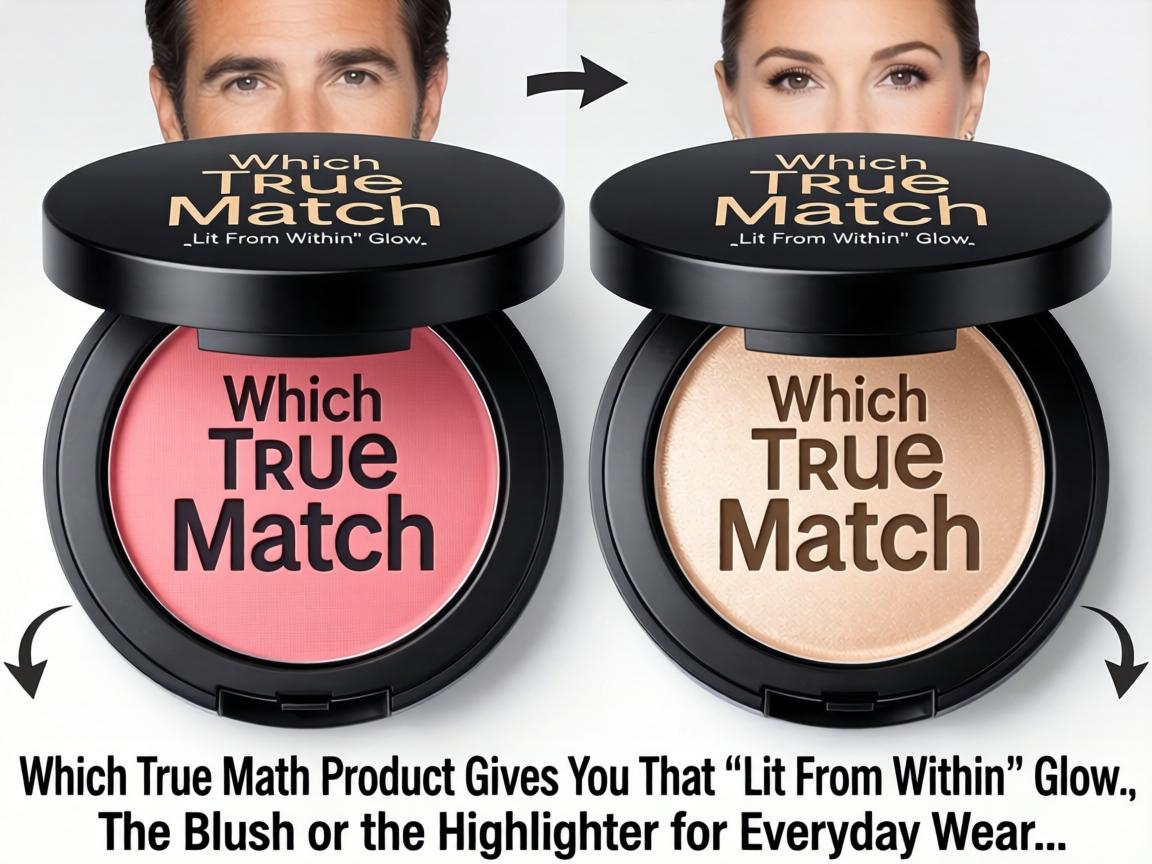
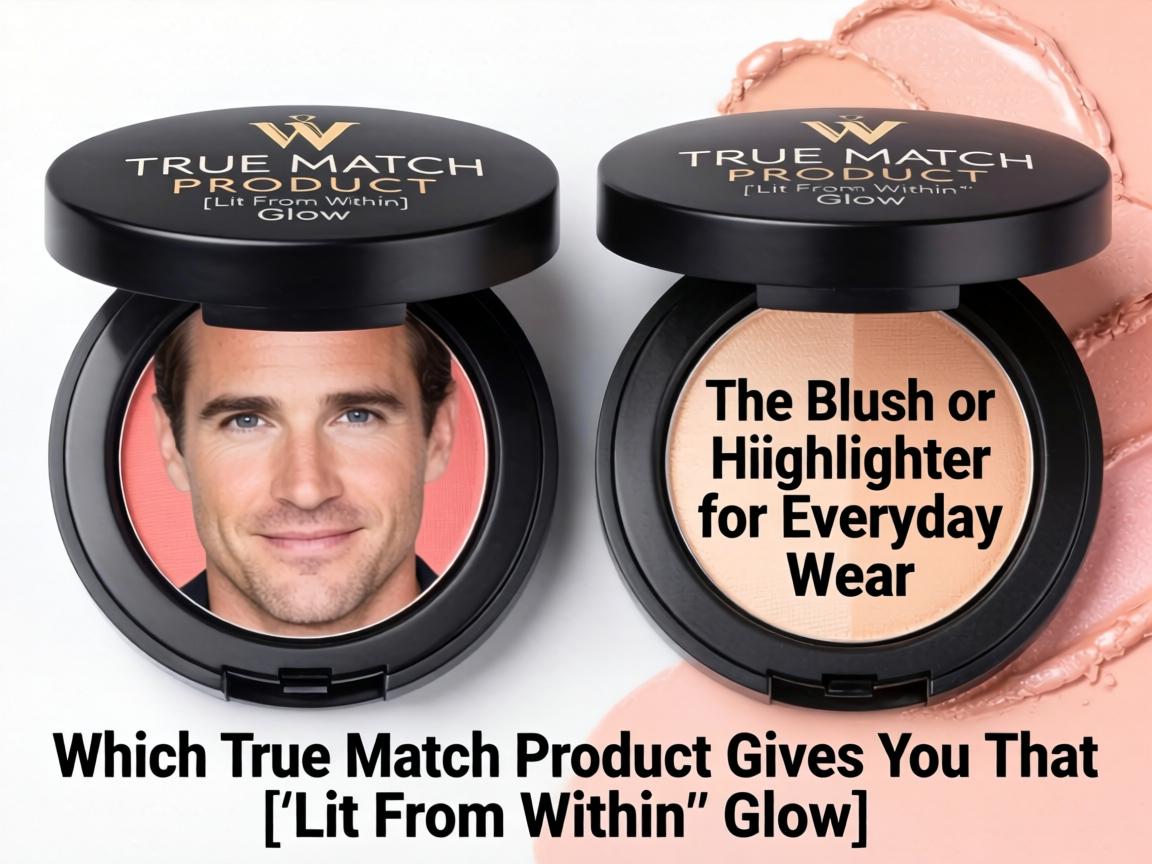
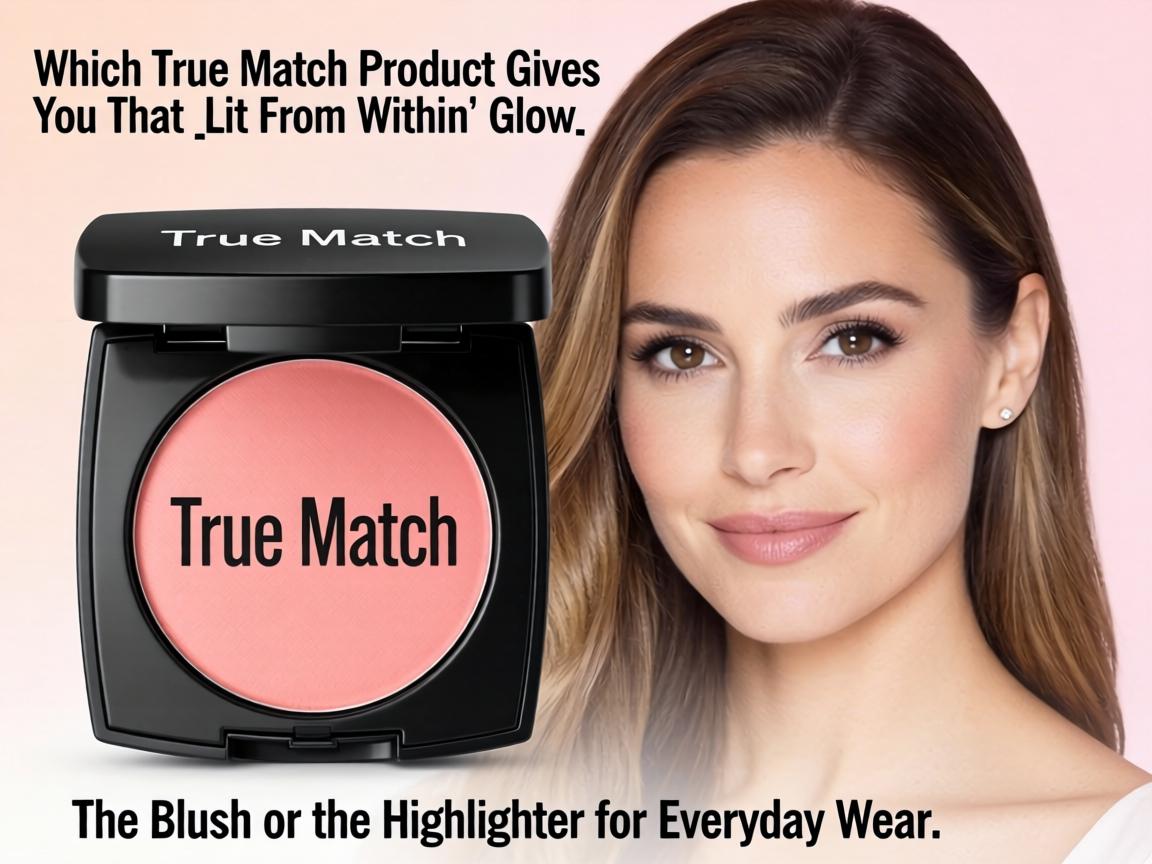
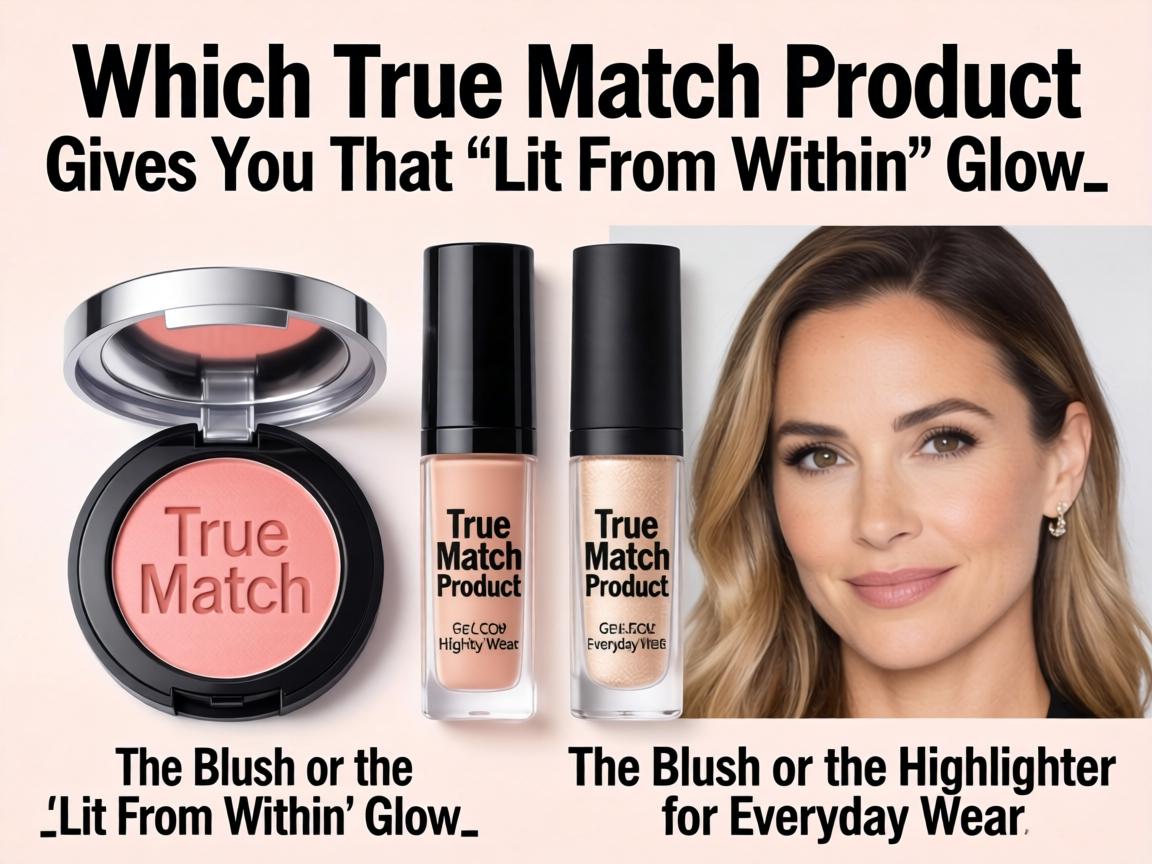
So I’ve been staring at my makeup drawer for like twenty minutes trying to figure out why I own both the L’Oréal True Match Blush and the Lumi Glotion “Natural Glow Enhancer” when technically they’re supposed to do completely different things. Or do they? Because when you actually swipe them on, both give you color and both give you shine—so what are we really paying for here? If you’re standing in Target wondering whether that $12 blush or the $14 glow lotion is gonna get you more compliments, I feel you. I’ve used both for about two months now, mixing them, layering them, wearing them alone to grocery stores at 8 AM just to see what strangers think (spoiler: nobody said anything, but my ego survived).Let me just… break this down because it’s not as obvious as the packaging makes it seem.Wait, What’s Actually In These Things?
Okay so the True Match Blush—mine’s in the shade “Baby Blossom” which is this soft pink that supposedly works on fair to light skin tones. It’s a powder, obviously, but it’s got this weirdly creamy texture that doesn’t kick up dust everywhere when you dip your brush in. The Lumi Glotion though? That’s a liquid. Comes in a squeeze tube. And here’s where it gets confusing—they market it as a “natural glow enhancer” but it’s basically a blush-highlighter hybrid that you can wear all over your face.I made a quick comparison because my brain needs visuals:
| Feature | True Match Blush (Powder) | Lumi Glotion “Glow Enhancer” |
|---|---|---|
| What it actually is
|
Pressed powder blush | Liquid illuminator with tint |
| Texture
|
Soft, blendable powder | Creamy, slightly wet finish |
| Color payoff
|
Buildable, matte-to-satin | Sheer, dewy glow |
| Where you put it
|
Cheeks only (traditionally) | Anywhere—cheeks, nose, all over |
| Shine level
|
Minimal unless you get shimmer shades | Built-in luminosity |
| Best for skin type
|
Normal to oily | Dry to normal (can be too much for oilies) |
| Price point
|
Around $10-12 | Around $12-14 |
| How long it lasts
|
6-8 hours on me | 4-5 hours before fading |
But Some Friends Want to Know—Can You Just Use the Glotion Instead of Blush?
Let’s keep reading below! Because this is where I got confused too. The Glotion comes in shades like Fair, Light, Medium, Deep—but these aren’t blush colors, they’re… skin tones? So if you’re Light like me, the product is this champagne-peachy sheen that basically makes you look like you just came back from vacation. It’s pretty. But it’s not giving you that “I just pinched my cheeks” flush that a real blush does.However—and this is a big however—the blogger often uses the Glotion as a blush topper. So you put your regular blush on first, then tap this over the high points. This way you get color AND that glass-skin reflection. I’ve tried wearing just Glotion on my cheeks for a “natural” day and… I looked shiny, not flushed. Like I was sweating slightly but in a classy way? Not the vibe I was going for when I wanted to look healthy.Which One Shows Up Better in Photos?
Okay so if you’re taking selfies or doing video calls, the Lumi Glotion wins hands down. That light-reflecting thing it does catches on camera and makes your cheekbones look like they’re doing something even when they’re not. The powder blush reads more subtle on camera—like people can tell you look “put together” but they can’t pinpoint why.In real life though? The blush looks more… intentional. Like you made an effort. The Glotion can sometimes look like you just have really good skin genetics, which is fine, but maybe you want credit for the work you put in, you know?What About the New Liquid Blush They Just Dropped?
I bring you this update because apparently L’Oréal decided we needed MORE options and released the “Lumi Le Liquid Blush” which is different from the Glotion. This one’s actually pigmented like a traditional blush but in liquid form. I haven’t tried it yet but from what I’m seeing, it’s supposed to be that middle ground—more color than Glotion, more dewy than powder. If you’re deciding between the three, maybe that’s actually the one to look at? But for this comparison, we’re sticking with the classic powder blush versus the glow enhancer situation.The Real Question: Do You Need Both?
Honestly? Probably not. If I had to pick one based on my actual usage, I’d say the powder blush gets more rotation because it’s more versatile—I can build it up for drama or keep it light for work. The Glotion is… specific. It’s for days when your skin is behaving and you want that no-makeup makeup look. But when my skin is breaking out or textured? The Glotion highlights every bump. The powder actually smooths things over a bit.That said, when you use them together? That’s when people ask what foundation you’re wearing because the combo creates this filtered effect that’s hard to get from one product alone. So if you’re building a starter kit, grab the blush first. If you’re expanding and want that extra glow factor, add the Glotion later.Hope this helps you figure out which tube deserves your $12. Or just get both like I did and wonder why you have trust issues with marketing copy.