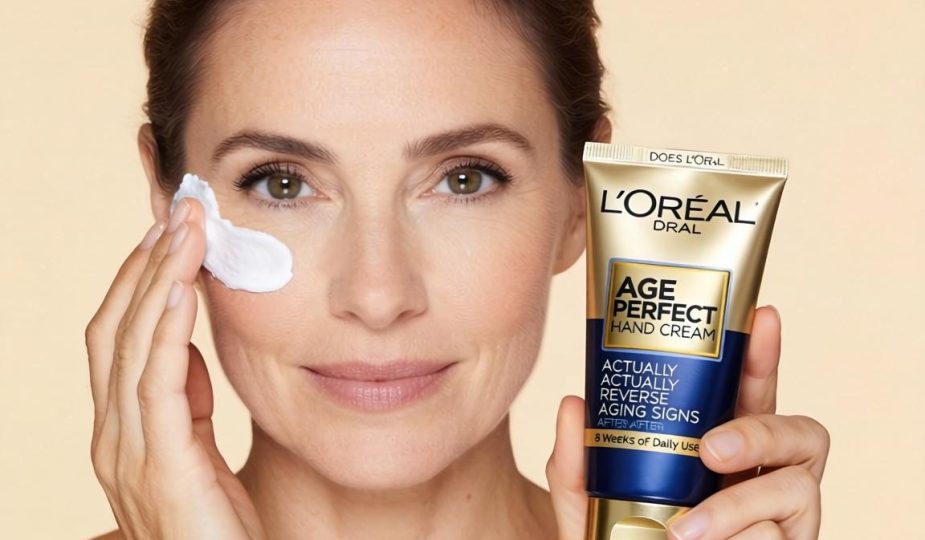
Does L’Oréal Age Perfect Hand Cream Actually Reverse Aging Signs After 8 Weeks of Daily Use_
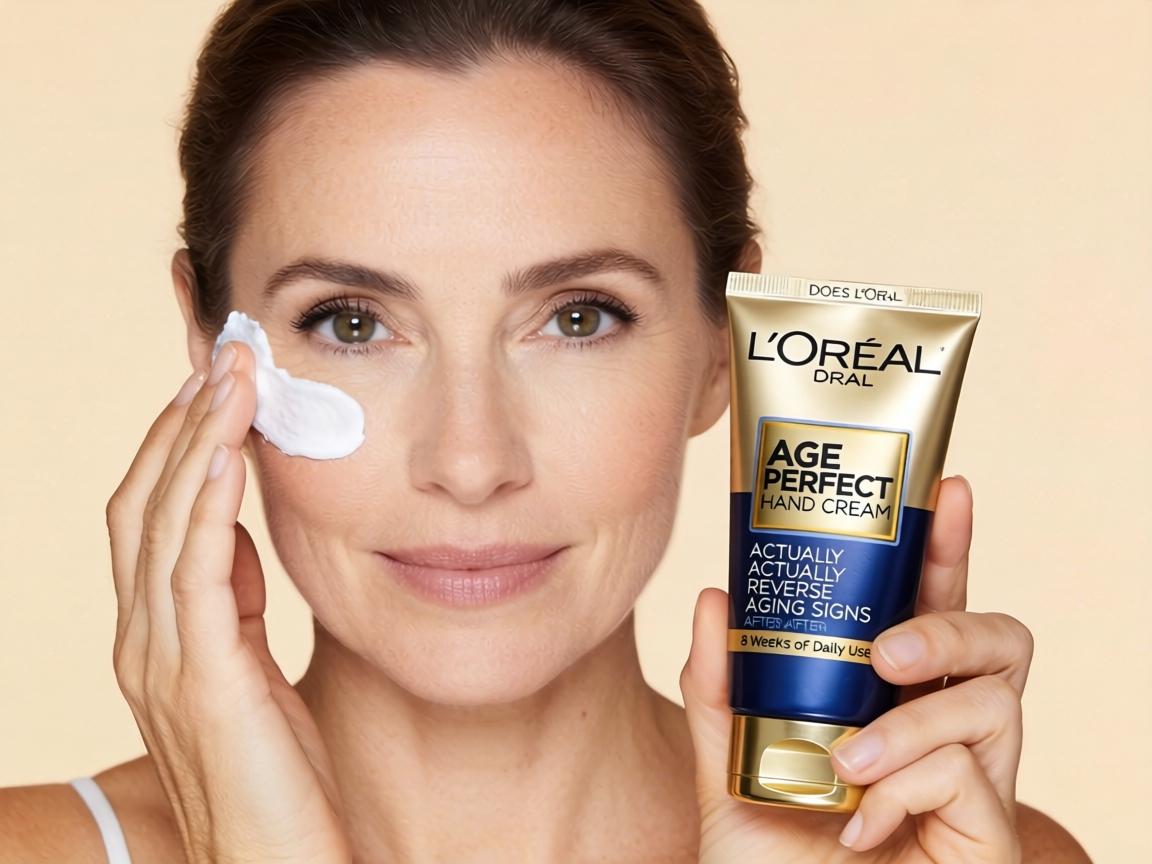
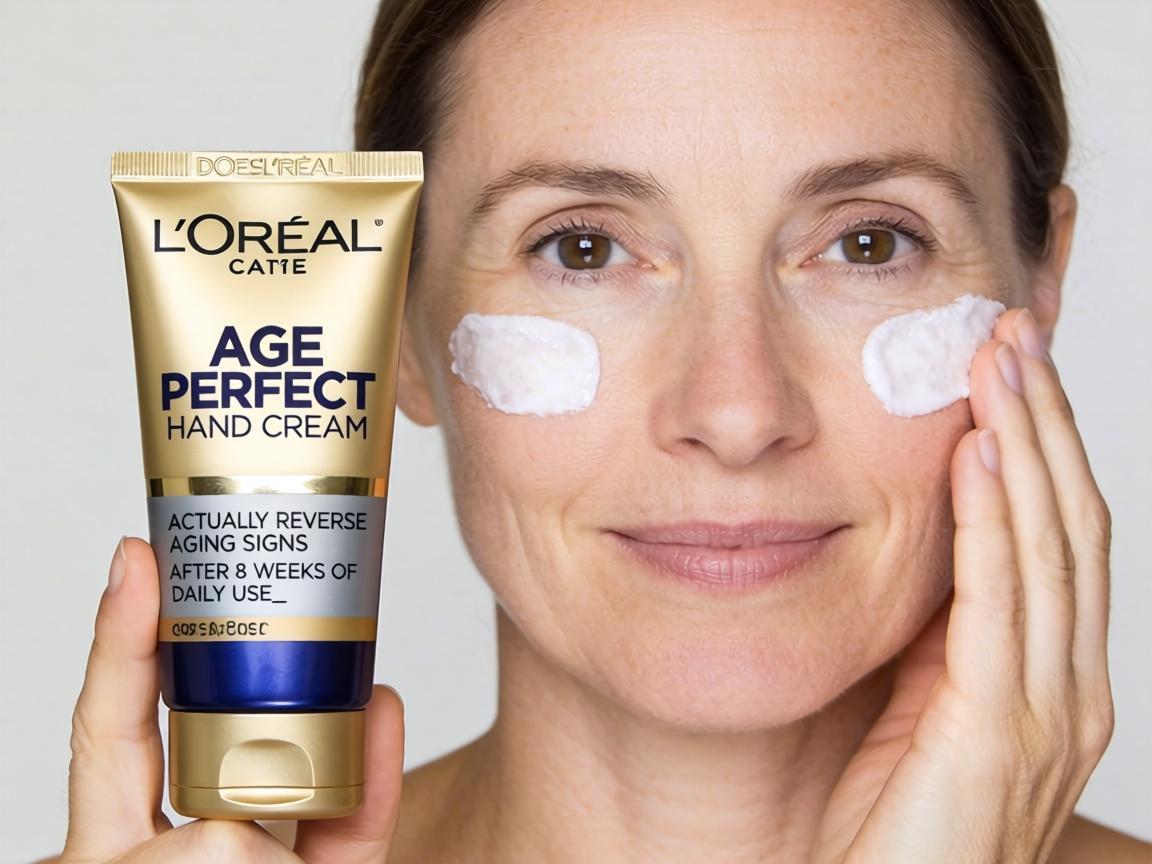
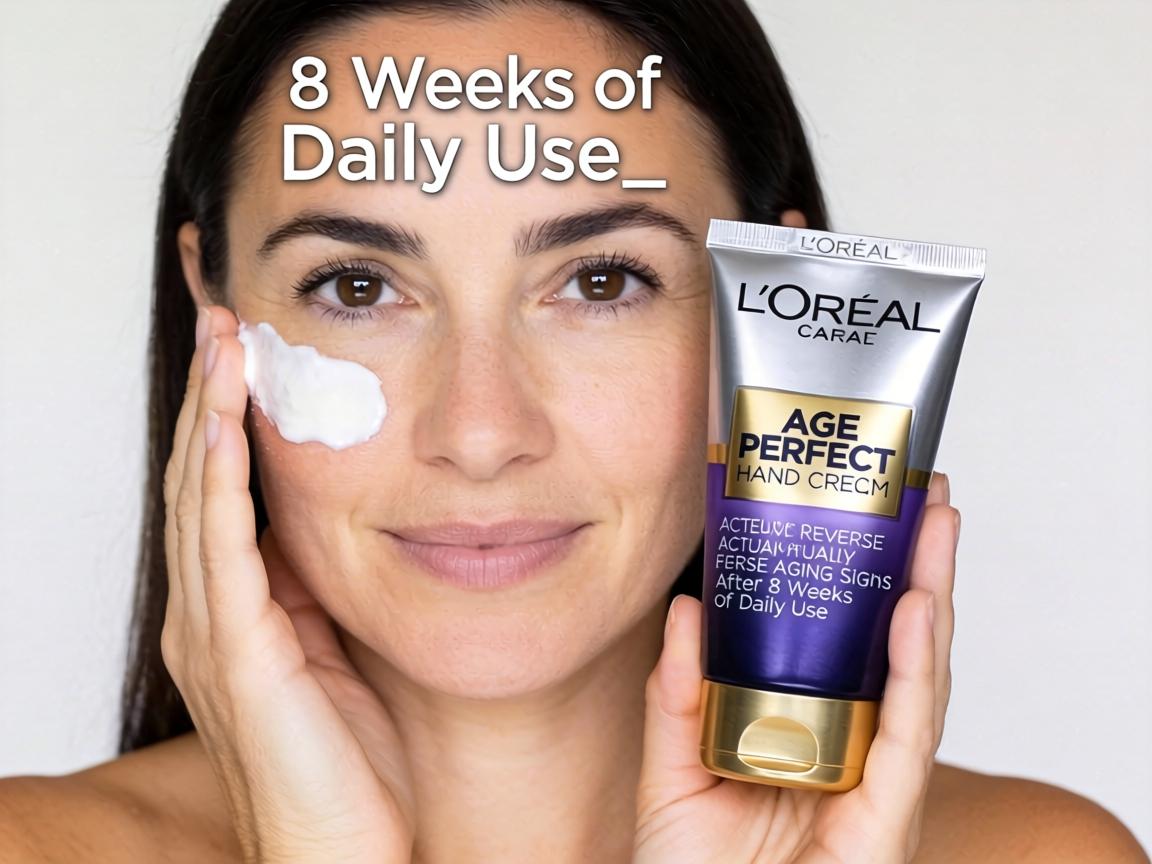
So here’s the thing. We’re all guilty of it, right? Slathering expensive serums on our faces, doing the whole 10-step skincare routine, then completely ignoring our hands until they look like… well, like they belong to someone twenty years older. I started noticing it last winter—those horizontal lines across my knuckles, the slight crepey texture when I’d hold my phone up to scroll. That’s when I went down the rabbit hole of hand creams for mature skin
, specifically the ones that promise more than just “moisture.”L’Oréal Age Perfect Intensive Re-Nourish Hand Cream kept popping up in searches. “Anti-aging hand cream,” “best hand cream for wrinkles,” “dermatologist recommended drugstore hand care”—all those phrases kept leading back to this gold-and-brown tube. And honestly? At around $8-12 depending on where you shop, it felt like a low-risk experiment. Eight weeks later, I’ve got thoughts. A lot of them. Some expected, some… not so much.What exactly are we putting on our hands here?
Let’s break down what’s actually in this thing because that’s what matters when you’re talking about long-term skincare results
. The star ingredients they hype are Soya Seed Extract
and Melanin Block
—supposedly for evening out those annoying age spots and improving skin density. There’s also a decent hit of glycerin high up in the ingredient list, which explains the immediate “ah, that’s better” feeling when you first apply it.But here’s where my brain started wandering. I kept wondering—does the soya extract actually penetrate hand skin, which is way thicker than facial skin? Or is this just clever marketing wrapped in a fancy French name? The texture is… interesting. It’s rich. Like, actually rich. Not that watery lotion that disappears in thirty seconds and leaves you wondering if you imagined the whole application. This stuff stays around. It takes a good minute to sink in, which I personally don’t mind (gives me an excuse to not text anyone for sixty seconds), but if you’re someone who types all day, you might find it slightly annoying during work hours.The 8-week timeline: what changed, what didn’t, and what surprised me
I took photos. Yes, I became that person. Weekly progress shots of my left hand because apparently I have no shame and an iPhone full of weird close-ups now.Week 1-2:
Immediate gratification zone. The hydration is real. Those little flaky patches around my cuticles? Gone. The tight feeling after washing dishes? Not happening anymore. But in terms of actual “anti-aging”? Nah. Skin looked plumper because it was moisturized, not because it had magically turned back time.Week 3-4:
This is where I started noticing something subtle. The texture of my skin—specifically on the back of my hands—felt different. Smoother. Less… papery? I kept touching them, which probably cancelled out some of the benefits, but whatever. The age spots
I’ve got near my wrists (thanks, teenage tanning) looked exactly the same though. That was disappointing because “Melanin Block” sounds like it should do something visible.Week 5-6:
Okay, weird observation time. My nails seemed stronger. Less peeling, less breaking. I checked the ingredients again—there’s no biotin, no formaldehyde resin, nothing specifically for nails. But hands are connected to nails, obviously, and maybe the overall nourishment was helping? Or maybe I just started paying more attention to my hands in general and was being gentler with them. Who knows. Correlation isn’t causation, but I’m throwing it out there.Week 7-8:
The final assessment. Those horizontal lines I mentioned earlier? Still there. Softer, perhaps? But definitely not erased. However—and this is the part that made me go “huh”—the overall appearance of my hands looked more… unified? Less patchy, more even in tone. Not dramatic. Not Instagram-filter level. But when I compared the week 1 photo to week 8, there was a visible difference in how healthy they looked.
| Aspect | Week 1 | Week 4 | Week 8 | Verdict |
|---|---|---|---|---|
| Hydration level | Dry, tight feeling | Comfortable, no tightness | Soft, maintained moisture | Significant improvement
|
| Fine lines/wrinkles | Visible, deep | Slightly softened | Slightly softened | Minimal change
|
| Age spots/dark spots | Prominent | Unchanged | Maybe 5% lighter? | Disappointing
|
| Skin texture | Rough, crepey | Smoother | Noticeably smoother | Good improvement
|
| Nail strength | Brittle, peeling | Less peeling | Stronger, healthier | Unexpected bonus
|
| Overall appearance | Tired, aged | Better | Healthier, more youthful | Moderate improvement
|
But some friends want to know—is it actually worth the money compared to just using body lotion?
Fair question. I’ve got a tub of CeraVe Moisturizing Cream that costs roughly the same and lasts three times as long. So I did a side-by-side test for a week—Age Perfect on the left hand, CeraVe on the right.The CeraVe hand felt hydrated, sure. But it didn’t have that… lingering richness? The L’Oréal hand maintained that “treated” feeling longer. By hour 4, the CeraVe side felt normal again. The Age Perfect side still felt protected. Is that worth paying more per ounce? Depends on your budget and how much you care about the sensory experience of skincare. For me, the ritual matters. The scent (light, slightly floral but not grandma-level) and the texture make me actually want to use it, which means I use it consistently. And consistency beats intensity every time in skincare.What about the claims that specifically target “mature skin”?
Here’s where I get a bit skeptical, and I think we should keep reading below for some real talk. L’Oréal markets this for “very mature skin”—their words, not mine. I’m in my early 40s, so I’m not their target demo yet, but my hands apparently are. The thing is, mature skin
on hands usually means thinning skin, loss of fat padding, and prominent veins. No hand cream is going to restore fat padding. That’s just biology.What this cream can do is improve the skin barrier, which becomes compromised as we age. It can prevent further moisture loss, which makes thin skin look less crepey. It can provide antioxidants (though the soya extract concentration is probably modest) to fight environmental damage. But reverse aging? No. Slow it down slightly? Maybe. Make your hands look better cared for? Definitely.The application method that actually made a difference
I bring you my modified routine because this changed the game. Just slapping it on randomly wasn’t giving me the results I wanted. Here’s the detailed setup methods, let’s take a look:
- Nighttime is prime time
— I started doing a thick layer before bed, then wearing those cheap cotton gloves over it. Sounds ridiculous. Looks ridiculous. But the occlusion (fancy word for trapping the cream against your skin) made the morning results way better.
- Post-wash timing
— Every time I washed my hands, I’d pat them mostly dry, then apply while still slightly damp. This locks in that water. The blogger often uses this technique with facial moisturizers, and it works just as well for hands.
- The knuckle focus
— I was neglecting my knuckles, just rubbing cream on the backs of my hands. Turns out those joints get super dry and wrinkly. Now I specifically massage into each knuckle. Takes an extra ten seconds.
Real talk: who should actually buy this?
If you’re in your 20s or early 30s with normal hand skin? Probably overkill. A basic lotion will do you fine. Save your money for retinol or sunscreen (which, by the way, is the actual best anti-aging product for hands that nobody uses enough).If you’re noticing that your hands are starting to betray your face’s skincare efforts? This is a solid entry point. It’s not medical-grade, it’s not going to perform miracles, but it’s a step up from basic moisturization without stepping into the $40+ territory of luxury hand creams that do essentially the same thing.If you’ve got severe age spots or significant volume loss? Manage your expectations. This way you can avoid disappointment. It’s a maintenance product, not a correction product. For real pigment issues, you’d need something with hydroquinone or professional treatments. For volume loss, we’re talking fillers or just accepting that hands age.The stuff nobody talks about in reviews
The tube is… annoying. It’s that metal-ish material that cracks at the folds after a few weeks. I’ve got cream leaking from a tiny split near the cap. Not a dealbreaker, but for a brand like L’Oréal, you’d think they’d have solved basic packaging engineering by now.Also, it plays weird with some sunscreens. I tried layering SPF 50 over it once, and it pilled into little balls. Didn’t happen with every sunscreen, but worth noting if you’re serious about hand sun protection (which, reminder, you should be).So what’s the final verdict after 56 days?
I’m keeping it in my rotation. Not because it transformed my hands into those of a 25-year-old, but because it made the act of caring for my hands feel intentional rather than obligatory. My hands look healthier. They feel better. The texture improvement is genuine, even if the wrinkle reduction is minimal.Would I recommend it? With caveats. It’s good. It’s not magic. It requires consistency and realistic expectations. But in a world of $100 hand creams that promise the moon and deliver… basically this same experience? The L’Oréal Age Perfect is a reasonable choice. Just don’t expect your age spots to vanish or your veins to disappear. That’s not what this is, and pretending otherwise sets everyone up for disappointment.Hope this helps you decide whether to add it to your cart or keep scrolling. Either way, for the love of all things skincare, start using sunscreen on your hands. Future you will thank present you. Probably. I mean, we can’t know for sure, but the odds are good.