Which L’Oréal HydraFresh Formula Actually Works Better for Combination Skin_ The Cream or The Gel_
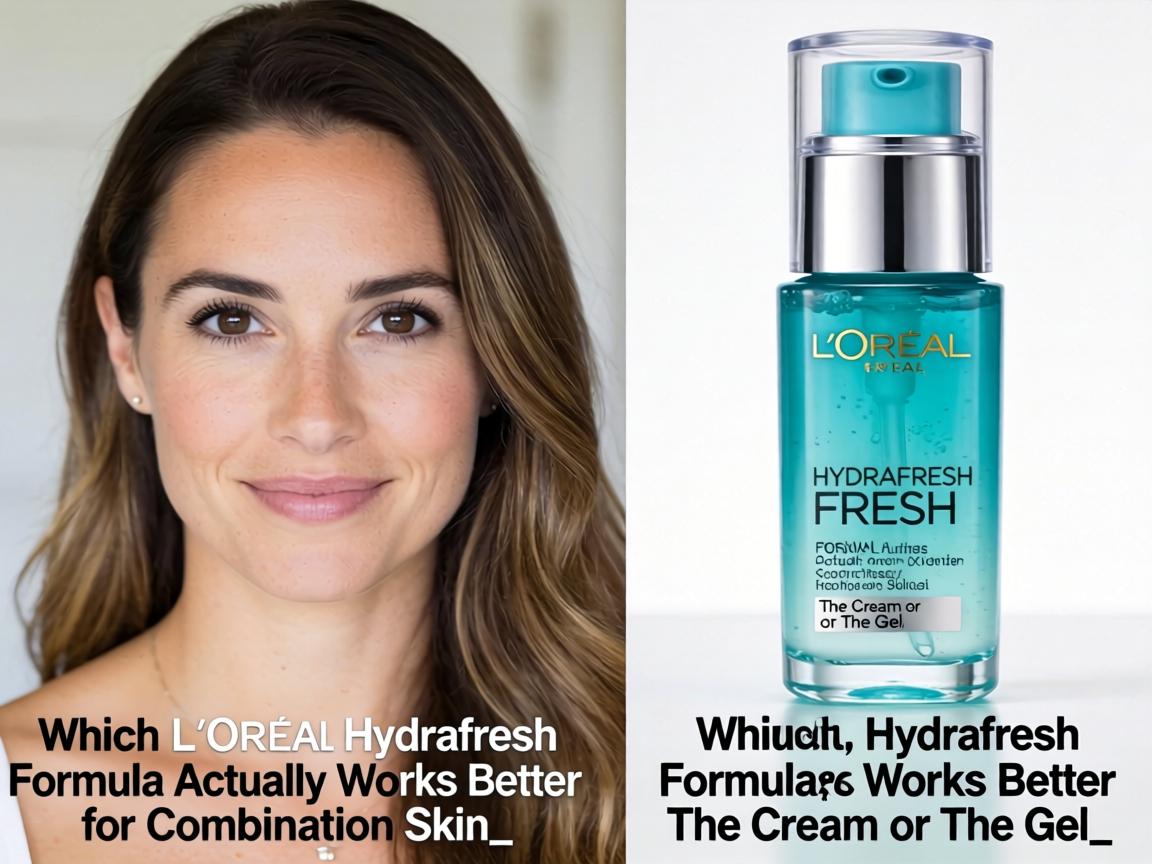
We are using
moisturizers twice daily, minimum, yet somehow the combination skin struggle never really ends. You know the drill—oily T-zone by noon, dry patches on the cheeks, and that constant fear of making either problem worse. When I first saw L’Oréal HydraFresh mentioned across skincare forums as this “affordable hydration solution,” I had to dig deeper. Does this drugstore line actually balance combination skin, or is it just another generic moisturizer repackaged with fancy French branding?I bring you my split-face testing experience. Let’s keep reading below!The confusion starts immediately:
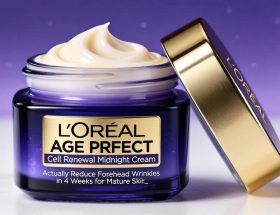
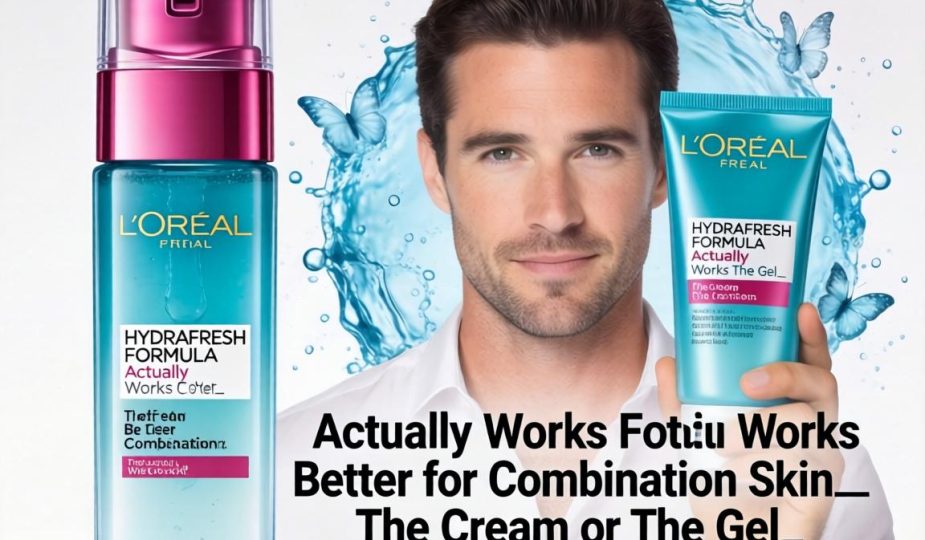
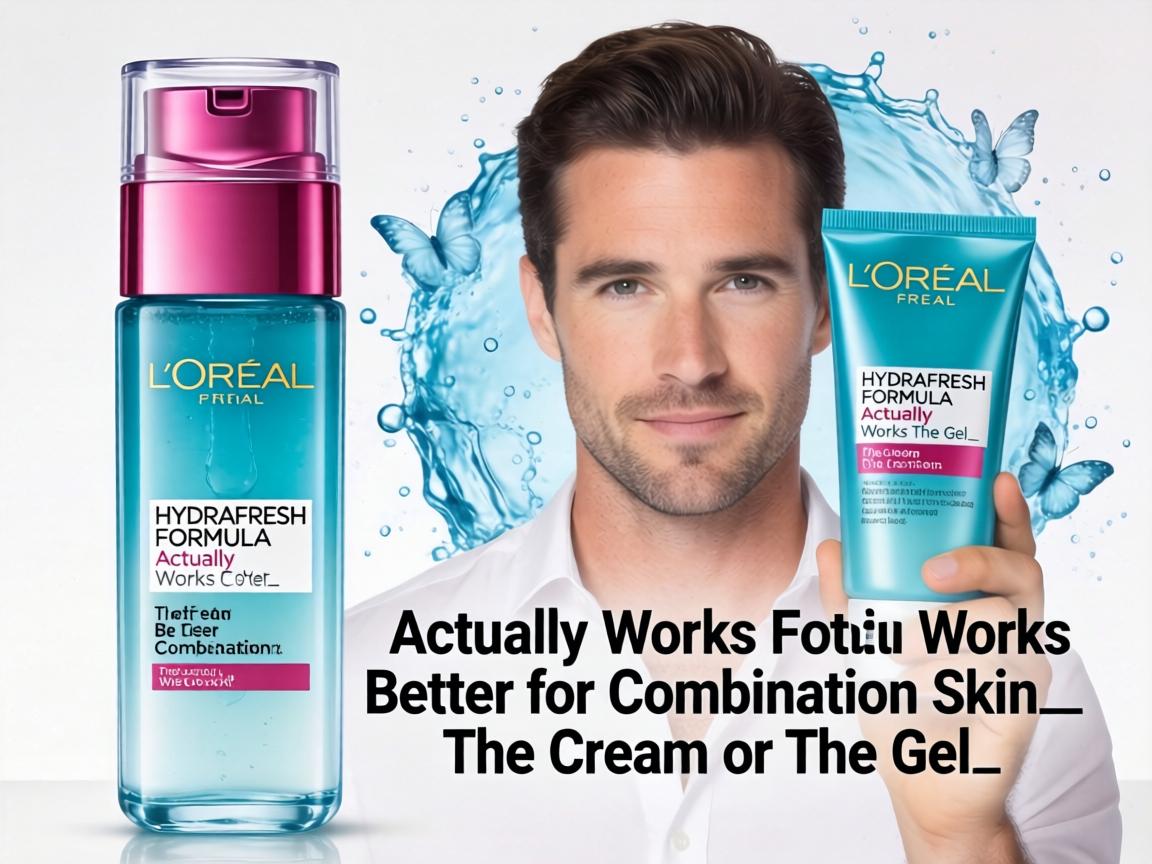
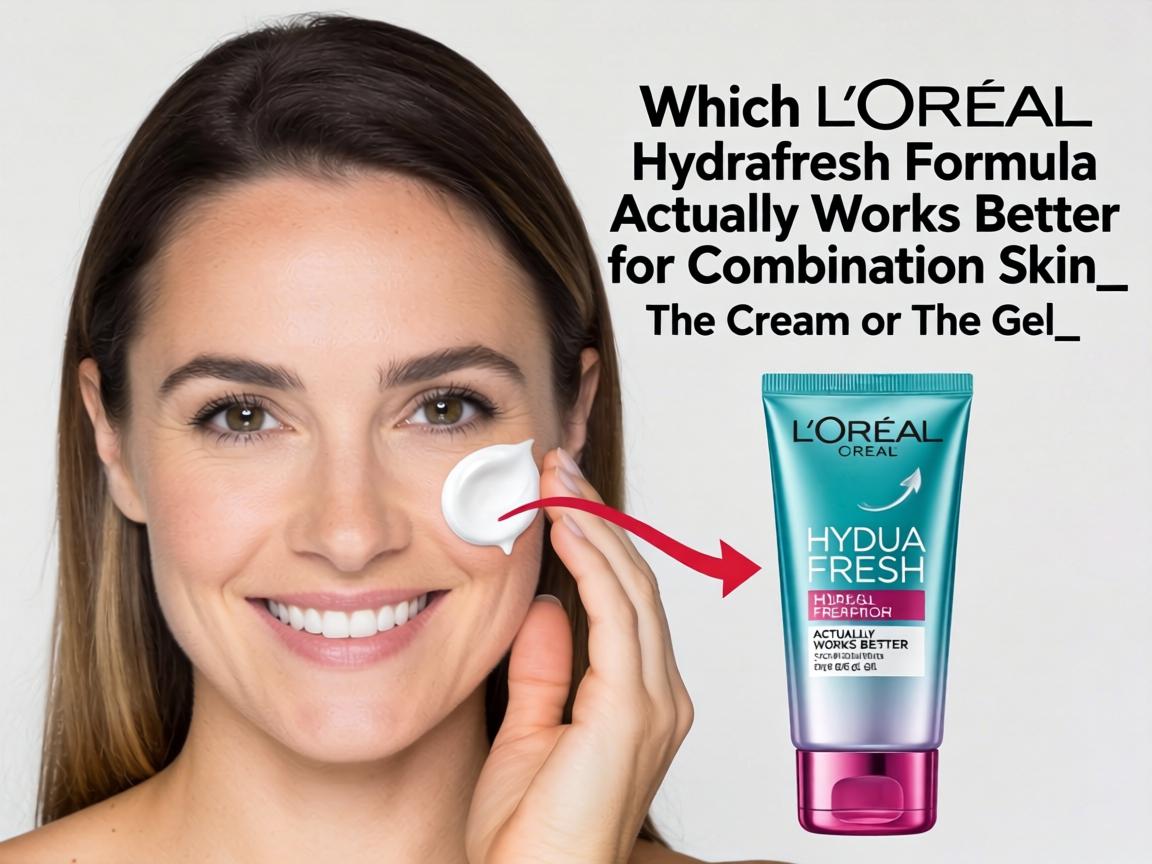
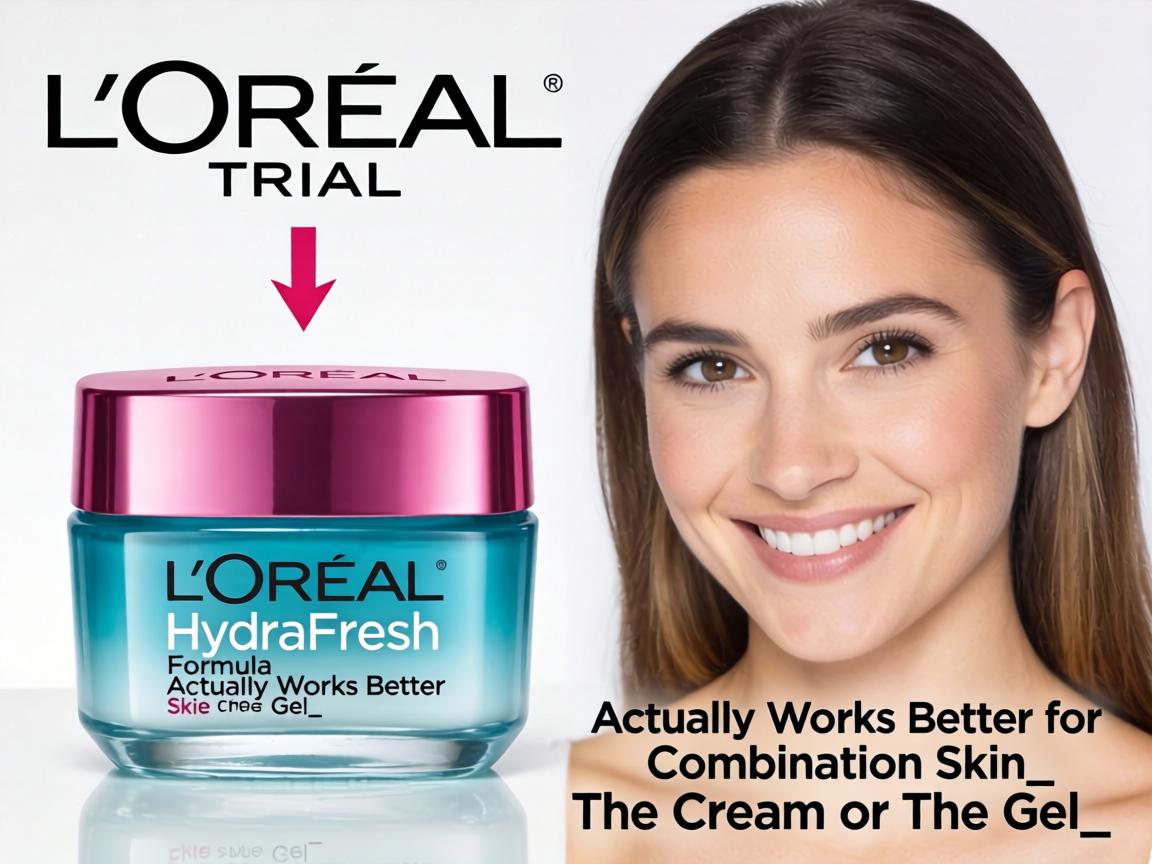
L’Oréal has multiple products under the HydraFresh umbrella. The main contenders for combination skin seem to be the HydraFresh Genius Multi-Active Essence Cream
and the HydraFresh Genius Water-Gel
. Both promise 72-hour hydration with hyaluronic acid and French grape seed extract. But the textures? Completely different. The cream is richer, the gel is water-based and bouncy. When your face can’t decide if it’s oily or dry, which direction do you even go?But some friends want the direct comparison. Here’s what I observed after using cream on my left side and gel on my right side for three full weeks:
| Feature | HydraFresh Cream | HydraFresh Gel |
|---|---|---|
| Texture | Lightweight lotion, slightly creamy | Jelly-like, breaks into water on contact |
| Absorption speed | 2-3 minutes | Under 30 seconds |
| T-zone oil control by noon | Moderate—some shine appeared | Significantly better—minimal shine |
| Cheek hydration at hour 8 | Still felt comfortable | Slight tightness, needed reapplication |
| Makeup layering performance | Excellent primer-like base | Can pill if applied too quickly |
| Price point (typical retail) | $19-24 | $19-24 |
The testing method, because fairness matters:
I applied both formulas to cleansed, toned skin every morning and evening. Same cleanser, same sunscreen over top, same foundation when I wore makeup. This way you can trust that the differences I noticed actually came from the moisturizers themselves, not from other variables changing.First impressions that surprised me:
The cream was absorbed faster than expected. Usually “rich” textures sit on my oily forehead and create that midday grease slick. This one… didn’t. The gel, meanwhile, felt almost too light? Like, satisfying going on, but I kept wondering if it would actually last.The real questions start here:
Does the gel actually hydrate enough for dry patches?
Honestly? Not really. By day four, my right cheek (gel side) was showing slight flaking around the nose where I get seasonal dryness. The left side stayed smooth. For combination skin with actual dry areas, the gel might be too conservative with moisture delivery. It’s designed for normal to oily types, I think, despite the marketing suggesting universal appeal.What about the cream making oily zones worse?
This was my biggest fear. Surprisingly, the cream didn’t trigger extra oil production on my forehead. The hyaluronic acid formula seems to hydrate without that heavy occlusive feeling. However—and this is important—if I applied too much, problems started. A pea-sized amount was perfect. More than that, and my T-zone got angry by 2 PM.Can you mix them? Use gel on T-zone and cream on cheeks?
I tried this hybrid approach in week two. The results were… actually decent? The gel kept my forehead matte, the cream protected my dry areas. But it’s annoying to buy two products when one should theoretically work. Also, the cost doubles. What should we do if the budget is tight?The ingredient breakdown nobody reads but should:
Both contain hyaluronic acid and grape seed extract. The cream adds shea butter and dimethicone for that silky finish. The gel relies more on glycerin and lighter silicones. For acne-prone combination skin, the gel’s simpler formula might be safer. I didn’t experience breakouts with either, but the cream’s richness could potentially clog pores if you’re already prone.Some usage tricks I discovered:
- Apply the gel to damp skin. It locks in that extra water and performs noticeably better
- The cream works best when warmed between fingers first. Otherwise it can feel slightly tacky
- For under makeup, the cream wins. It creates this smooth canvas that foundation loves
- Nighttime preference? I switched to cream exclusively for PM after seeing better morning skin texture
The problems nobody mentions in reviews:
The fragrance is strong in both. Not unpleasant—fresh and slightly floral—but definitely present. If you’re sensitive, patch test first. I got used to it, but the first few applications made me pause.Also, the jar packaging for the cream is… unsanitary? Dipping fingers repeatedly. I ended up using a spatula, which felt like extra work. The gel comes in a pump, much more practical.Long-term results after three weeks:
My combination skin didn’t transform into “normal” skin, obviously. That’s not how moisturizers work. But the cream side showed improved texture—smaller pores, less visible dehydration lines. The gel side maintained status quo, which isn’t bad, just not transformative.So what’s the actual recommendation?
Hope this helps you decide which direction to go. For true combination skin where both oil and dryness are genuine concerns, the cream is the safer bet. The gel serves better as a summer-only option or for those leaning more oily than combination.The marketing pushes both as universal, but skin is never universal. My personal opinion? Start with the cream, use sparingly on the T-zone, and adjust quantity based on seasonal changes. When humidity spikes, that’s when the gel earns its place.Detailed setup methods, let’s take a look: cleanse thoroughly, apply to slightly damp skin, wait 60 seconds before sunscreen or makeup, use less than you think you need. The blogger often uses this routine for morning prep when time is short but results matter.