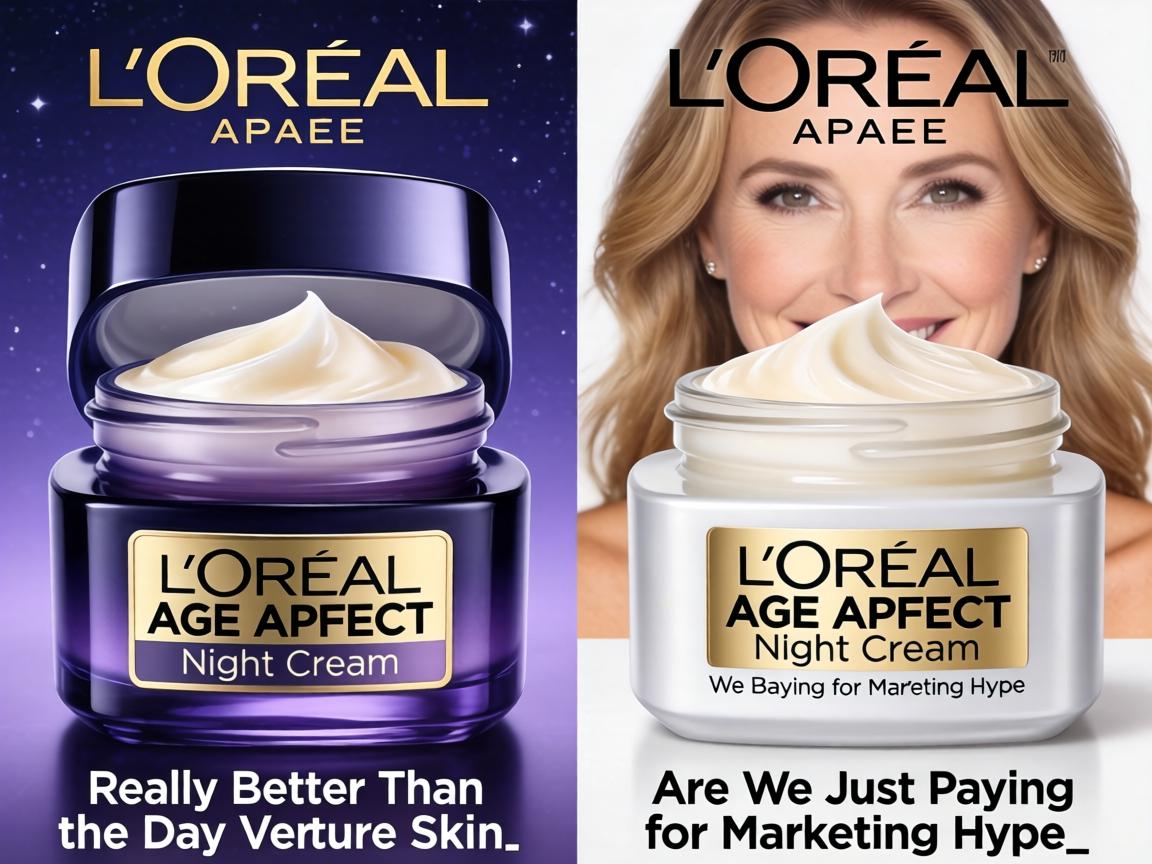
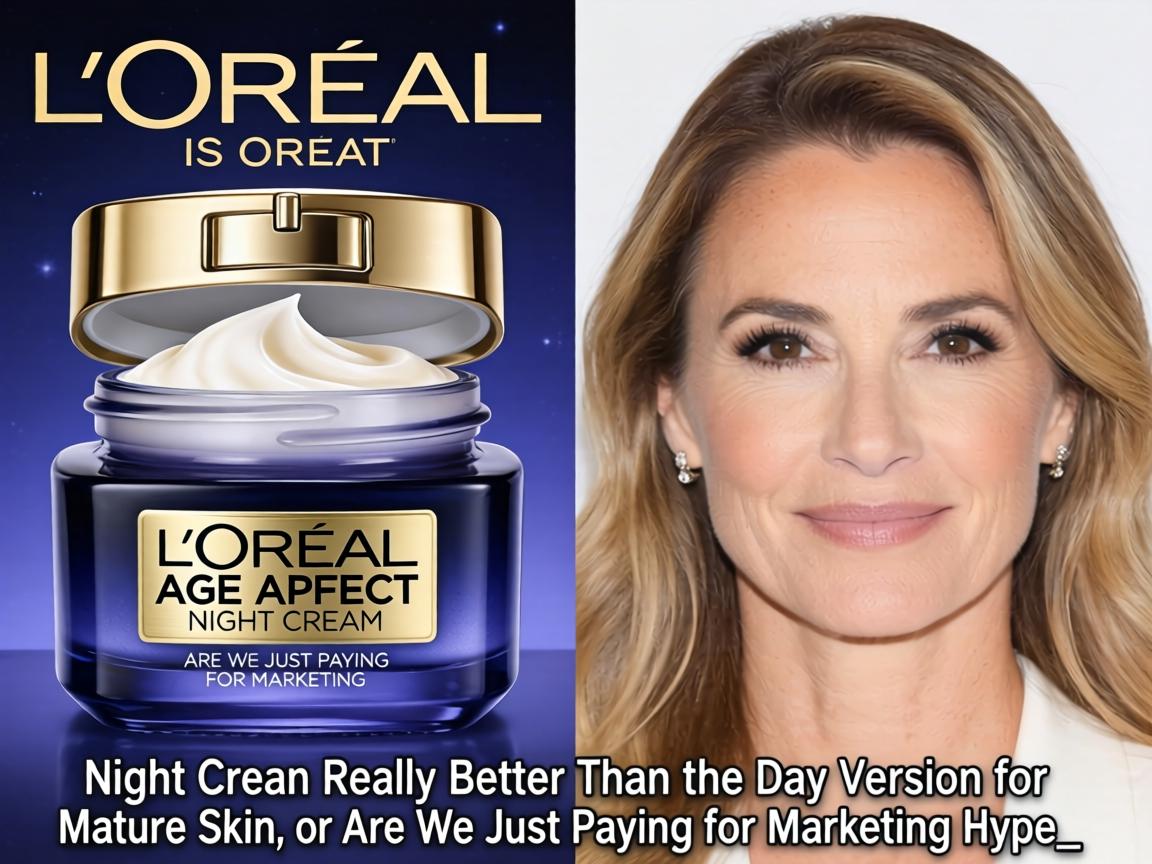
Is L’Oréal Age Perfect Night Cream Really Better Than the Day Version for Mature Skin, or Are We Just Paying for Marketing Hype_
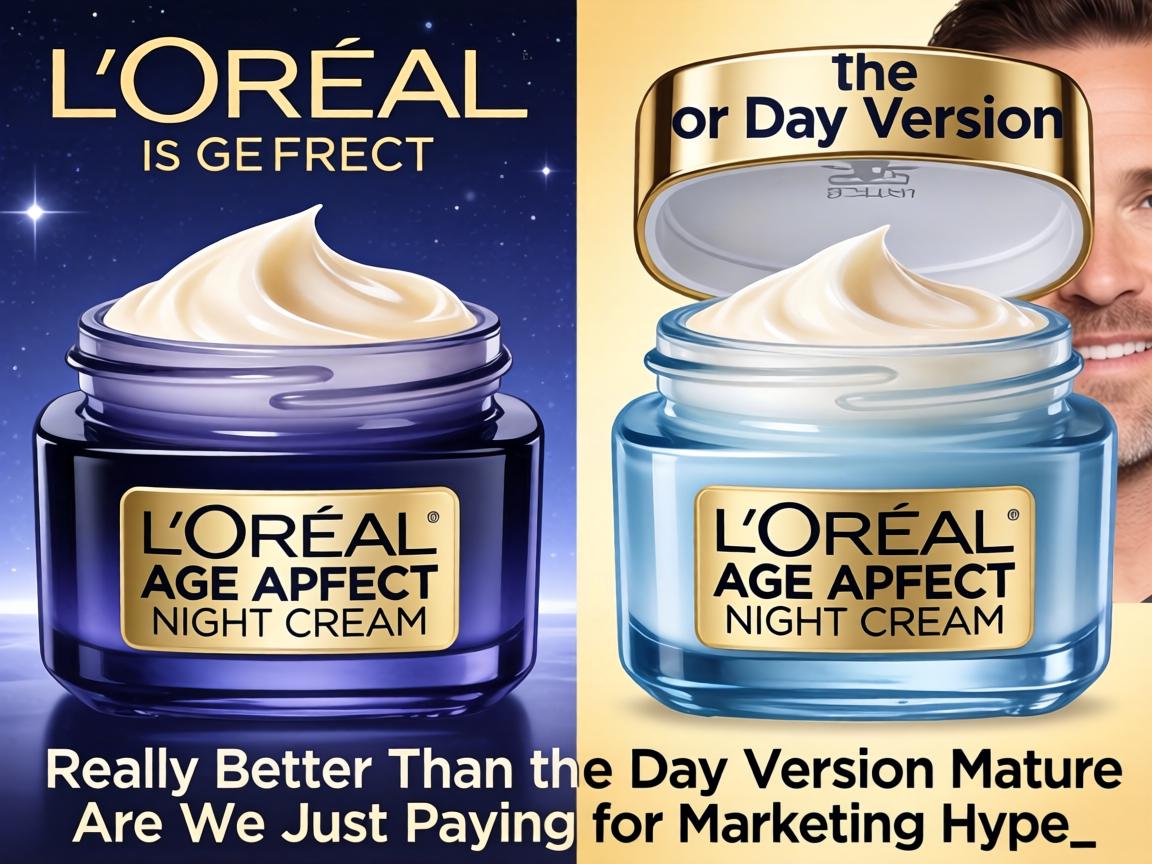
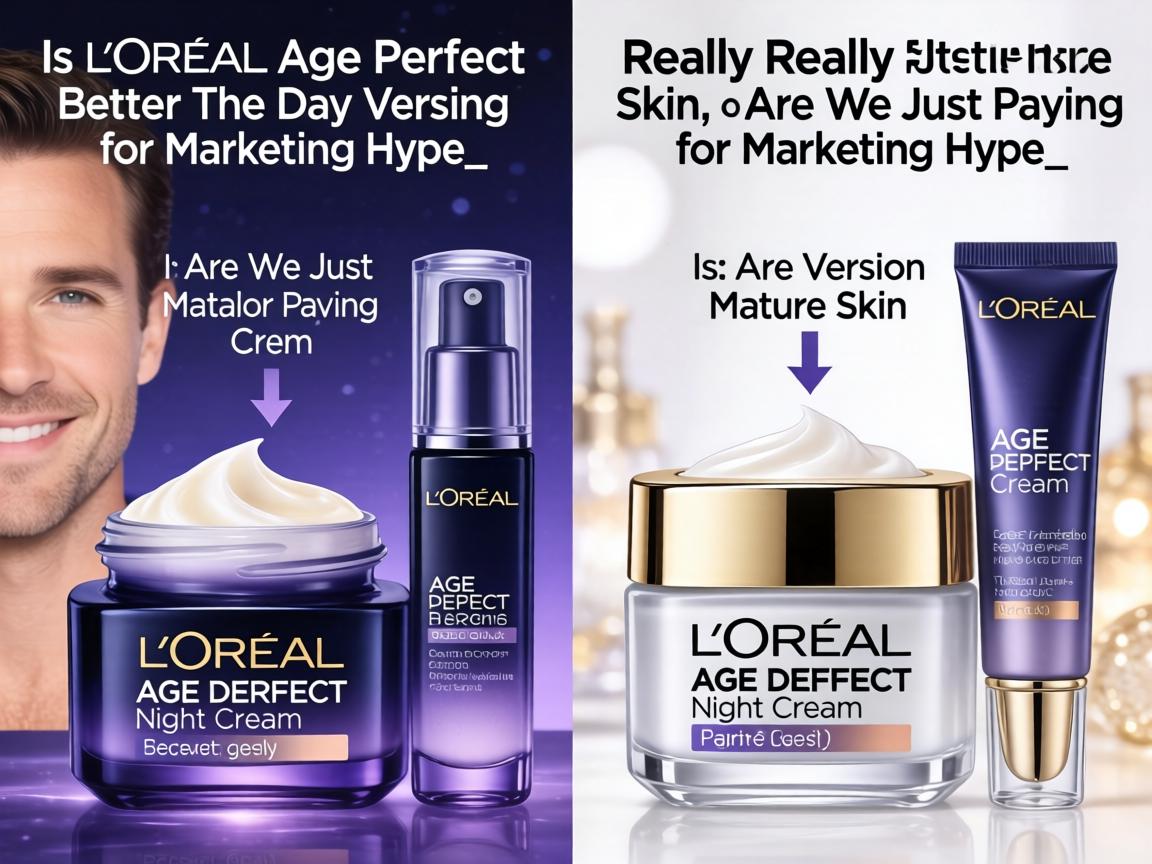
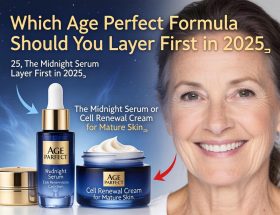
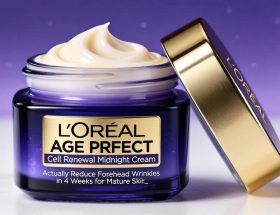
Look, I’ve been staring at my bathroom shelf for like… twenty minutes now. Two nearly identical jars sitting there, both promising to “transform” my skin, both from that familiar gold packaging L’Oréal uses for their Age Perfect line. And I’m guessing you’ve been there too, right? Standing in the drugstore aisle, squinting at labels, wondering if the night cream is actually doing something different while you sleep, or if it’s all just clever branding.Here’s what got me started on this whole comparison thing. My mom—bless her—swore by the day cream for years. Then last winter her dermatologist mentioned something about “circadian rhythm skincare” and suddenly she’s texting me at 11 PM asking if she needs the night version too. Which, honestly, made me curious enough to buy both and use them for three months straight. Yeah, I’m that person now.So what exactly separates these two formulas?
The day cream comes with SPF 15, which sounds great until you realize most dermatologists want you wearing SPF 30 minimum anyway. It’s got this lighter, almost gel-cream texture that sinks in fast—probably because they know you’re rushing to put makeup on top. The soy seed extract and beta hydroxy acid are supposed to target those stubborn age spots, and I’ll admit, after about six weeks, the hyperpigmentation on my cheekbones did look… softer? Not gone, but softer.Now the night cream. This is where things get interesting. No sunscreen obviously, but they pack in more emollients—think shea butter and some kind of seed oil blend that makes it feel substantially richer. The marketing pushes this “nourishing while you rest” angle, and the texture definitely supports that story. It’s heavier. Takes longer to absorb. Sometimes I’d wake up and still feel a slight residue, which sounds bad but actually felt… protective? Like my face had been wrapped in something overnight.I made a quick comparison table after month two because my notes were getting messy:| Feature | Age Perfect Day Cream | Age Perfect Night Cream |
| Texture | Light, absorbs quickly | Rich, slower absorption |
| SPF | 15 (chemical + physical mix) | None |
| Key Ingredients | Soy seed extract, BHA, vitamin C derivative | Higher concentration soy proteins, more emollients, no acids |
| Best For | Under makeup, morning routines | Dry skin recovery, barrier repair |
| Price Point (Target) | Usually $17-20 | Usually $17-20 |
| Fragrance | Noticeable floral | Slightly stronger, more “powdery” |But here’s where I started questioning everything.
The ingredient lists are about 70% identical. I mean, we’re talking water, glycerin, dimethicone, then the soy stuff… the night cream just shuffles the order and adds more occlusive ingredients near the top. Is that worth having two separate products? Or could you technically use the night cream during the day if you layered SPF on top?I asked my aesthetician friend about this—she laughed and said most “day/night” splits in mass market skincare are “more about selling two units than biological necessity.” Harsh, but probably fair. Though she did note that the day cream’s BHA content makes it genuinely unsuitable for nighttime if you’re using retinoids, which… okay, that’s a valid point I hadn’t considered.What about actual results, though?
This is where my personal experience gets weirdly specific. The day cream under foundation? Beautiful. No pilling, no weird texture issues, makeup sat on it like a dream. But by 3 PM, my skin felt tight. Not dry exactly, just… like it wanted more. The night cream, used consistently for a month, actually changed how my skin felt in the mornings. Plumper. Less of that crepe-y texture around my eyes that I hate looking at in magnifying mirrors.Was it the cream? Or was I just sleeping better that month? Hard to say. That’s the annoying thing about skincare reviews—we’re never really controlling for variables, are we?Let’s address the obvious question: do you actually need both?
If you’re someone who loves a streamlined routine, honestly? Probably not. The night cream with a separate SPF layered on top would cover both bases, though you’d lose that BHA exfoliation the day cream provides. But some friends want that grab-and-go morning simplicity, and I get that. When you’re rushing to work, the day cream’s built-in SPF—even if insufficient alone—feels like a safety net.For mature skin specifically (and L’Oréal targets 50+ with this line, though I’m using it in my late 30s because prevention, right?), the night cream’s extra nourishment does seem to address that overnight dehydration issue better. My mom, who is actually in the target demographic, noticed her “morning face”—you know, that temporarily more wrinkled look right after waking—smoothed out faster when she used the night version consistently.The fragrance situation deserves its own paragraph because wow.
Both are scented. Not subtle. If you’re sensitive to fragrance, this might be a dealbreaker regardless of which version you choose. The day cream smells like classic “grandma skincare” in a way that’s nostalgic but strong. The night cream amps that up somehow, maybe because there’s no SPF chemicals competing with the perfume? I got used to it, but my partner definitely commented on “your face smells like flowers” more than once.Price-wise, they’re identical.
Which makes the “need both” marketing feel even more transparent. L’Oréal knows we’ll buy the set if we think we’re getting “complete care.” I fell for it. You might too. No judgment.So what’s my actual recommendation after all this testing?
If I had to pick one—just one—for year-round use, it would be the night cream. It’s more versatile (works AM if you add SPF), more nourishing, and I saw more visible improvement in skin texture with it. The day cream is nice, convenient even, but feels like a luxury rather than a necessity. Unless you’re specifically chasing that BHA exfoliation in your morning routine, which some people are, and that’s valid.For what it’s worth, I ended up keeping both in rotation but with a twist: day cream strictly for makeup days when I need that perfect base, night cream for literally everything else. Is that the most efficient use of money? Probably not. But skincare is rarely about efficiency, is it? It’s about rituals, and textures, and that moment of “I’m doing something good for myself” even if the science is 70% identical between the two jars.Hope this helps you make your own call. The bottles will keep sitting on that shelf either way, promising transformation in gold packaging. At least now we know what we’re actually paying for.