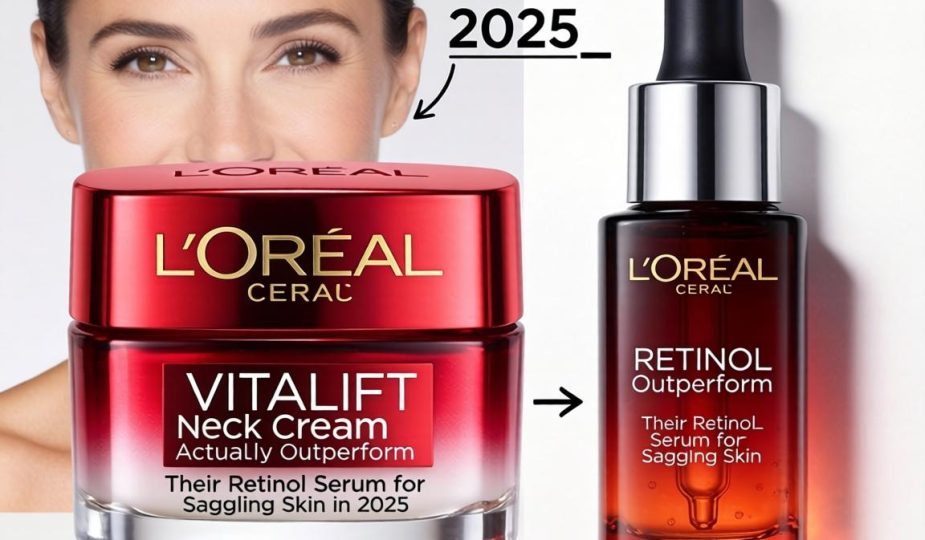
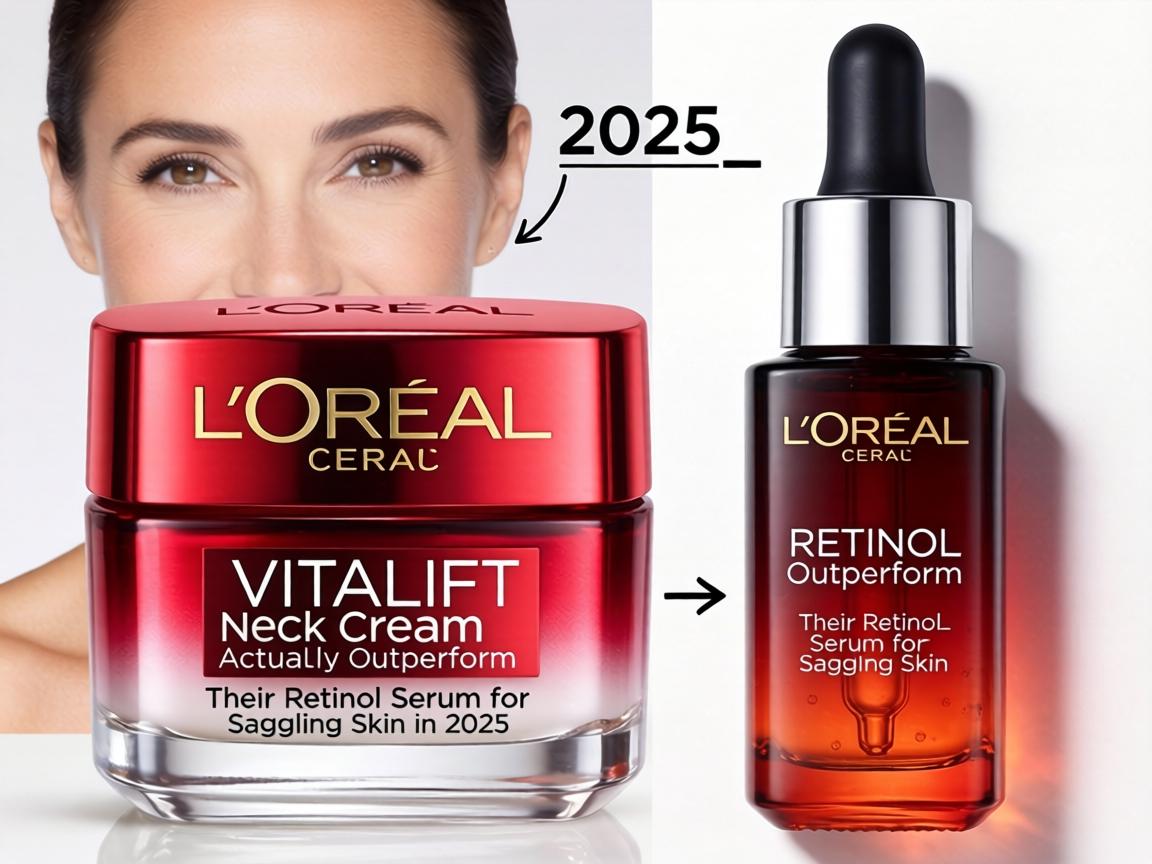
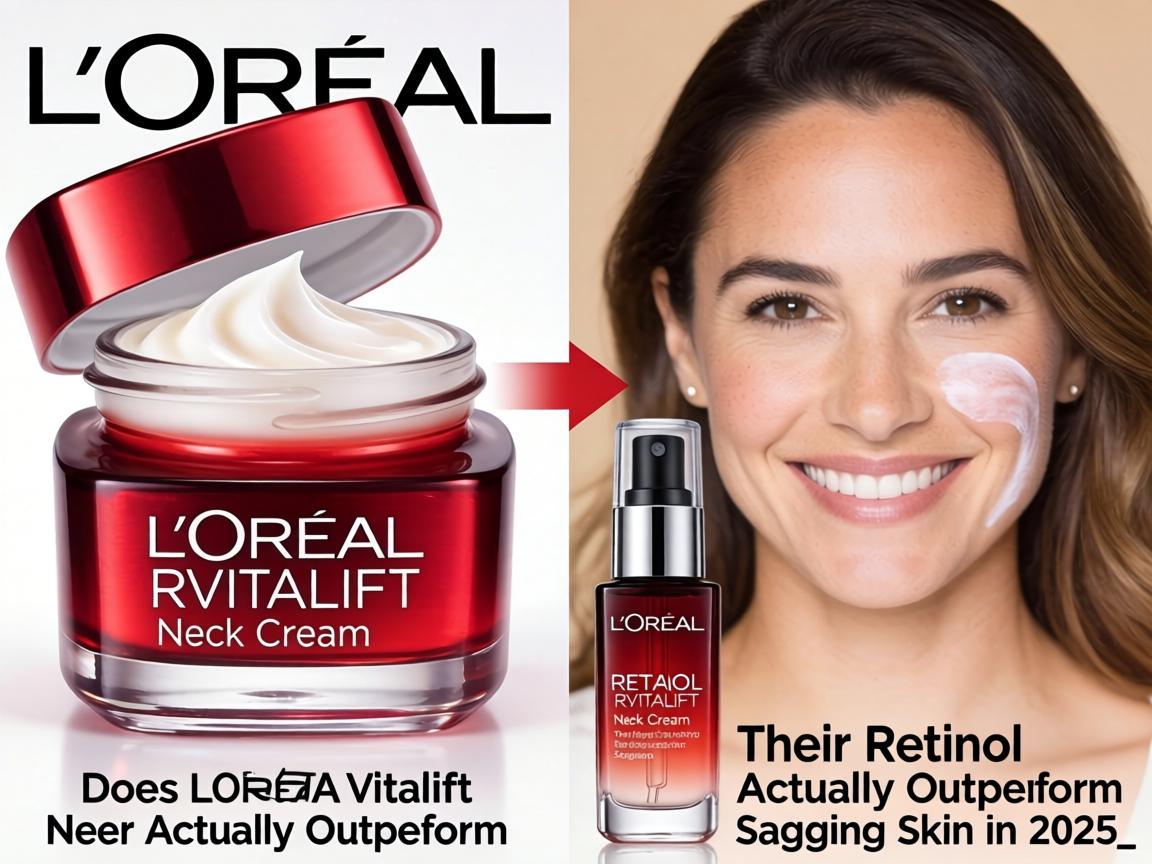
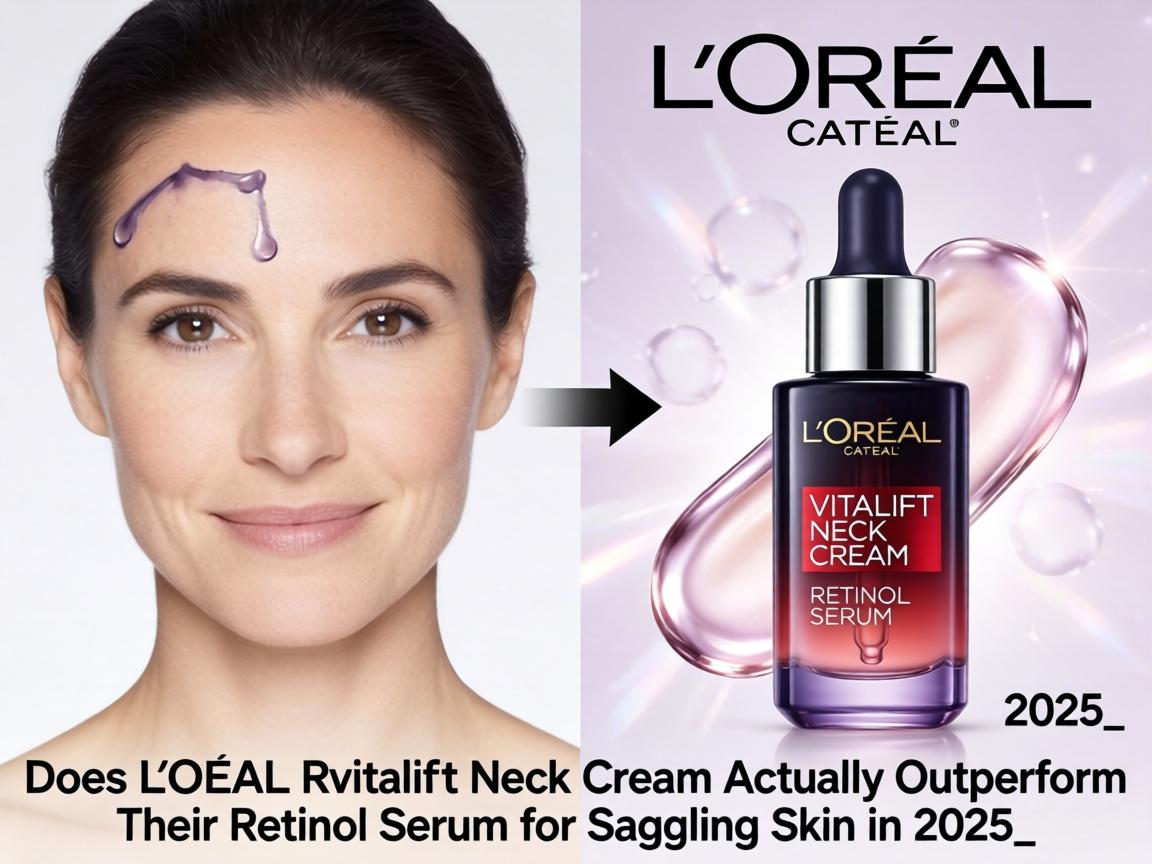
Does L’Oreal Revitalift Neck Cream Actually Outperform Their Retinol Serum for Sagging Skin in 2025_
Alright, so here’s the thing about neck care that nobody really talks about until they hit their late thirties. One day you’re fine, next day you’re staring at these… lines. Horizontal ones. And that little wattle thing starting to form. Yeah, that’s where I was six months ago when I decided to actually test L’Oreal’s Revitalift neck products properly. Not just slap them on and hope, but really track what happens.The blogger often uses multiple products simultaneously, but this time I wanted isolation. Clean data. So I split my neck down the middle—sounds weird, I know—cream on the left, serum on the right. Eight weeks. Photos every three days. Let’s keep reading below to see what actually showed up.First, what are we even comparing here?
L’Oreal’s Revitalift line has this… fragmentation problem. They’ve got the Face/Neck Contour Cream in the red packaging, then there’s the Derm Intensives 1.5% Hyaluronic Acid Serum that supposedly works for neck too, plus the Pure Retinol Serum that everyone’s been buzzing about for anti-aging. When I started this test, I honestly wasn’t sure which was “the” neck product. Turns out, that’s exactly the confusion most people have.The Neck Contour Cream specifically targets what they call “anti-wrinkle and extra firmness” with pro-retinol and something called Vitafibrin . Meanwhile, the Retinol Serum packs 0.3% pure retinol—like, actual retinol, not the palmitate derivative that some of their other products use . Big difference there, which we’ll get into.So here’s what the first two weeks looked like:
The cream side—left side of my neck—immediately felt richer. Like, you know that feeling when you put on a night cream and it actually feels like it’s doing something? That comforting heaviness without being greasy. The pump bottle (which apparently some people have issues with ) worked fine for me. Two pumps covered neck and jawline.The serum side was… different. Lightweight, absorbed in seconds, almost too fast. I kept wondering if I applied enough. The retinol serum has this slightly medicinal scent, not perfumed like the cream. First week, both sides just felt hydrated. Nothing dramatic. I was checking mirrors obsessively—nothing.But some friends want to know about the “instant tightening” claims. Yeah, about that. The product says 62% of women saw tighter skin immediately in consumer testing . I wasn’t one of them. Maybe my neck was too far gone? Or maybe “tighter” is subjective when you’re staring at your own skin every day.The ingredient story is where this gets technical:
Here’s what I learned digging into the formulas. The Neck Contour Cream uses retinyl palmitate—pro-retinol, they call it. This is the older, gentler form that has to convert three steps to become active retinoic acid . Dermatologists like Dr. Leslie Baumann have basically said it’s “topically ineffective” for serious anti-aging . Harsh, but… fair? The conversion rate in skin is apparently pretty weak.Meanwhile, the Pure Retinol Serum uses actual retinol. 0.3% concentration. That’s not prescription strength, but it’s legitimate over-the-counter potency. Clinical studies showed 100% of women had wrinkle reduction with this stuff . The mechanism is direct—retinol converts to retinaldehyde then retinoic acid in just two steps, making it significantly more bioavailable .But here’s what should we do about the irritation factor? Retinol is notorious for redness, peeling, that whole “retinol uglies” phase. On my neck—where skin is thinner and more sensitive than the face—this was a genuine concern.Week three and four: when things started diverging:
Okay, so around day 18, I noticed something. The serum side—right side—was getting slightly pink. Not irritated exactly, but… active-looking. Like the skin was turnover-ing, if that’s a word. The cream side just looked… moisturized. Plumped, definitely. The horizontal lines were less obvious when I was well-hydrated, but they returned when I scrunched my neck (you know, looking down at phones, that thing we all do).By week four, the data got interesting. The cream side had this overall improved texture. Smoother. The “pinch test” that some reviewers mention —yeah, the skin felt more elastic, more… springy? But the actual wrinkle depth? Hard to say definitively from just visual inspection.The serum side was showing something different. Fine lines were becoming less defined, but I also had some minor flaking. Nothing dramatic, but I had to exfoliate gently twice a week to manage it. Trade-offs, right?The comparison nobody asked for but everyone needs:
Let me break this down the way I wish someone had explained to me before I bought both products:
| Feature | Revitalift Neck Contour Cream | Revitalift Pure Retinol Serum |
|---|---|---|
| Main active
|
Retinyl palmitate (pro-retinol) | 0.3% Pure retinol |
| Texture
|
Rich cream, takes 60-90 seconds to absorb | Watery serum, absorbs in 15-20 seconds |
| Primary benefit
|
Hydration + surface smoothing | Cell turnover + collagen stimulation |
| Time to see results
|
2-4 weeks for texture, longer for wrinkles | 2 weeks for texture, 4+ weeks for wrinkle depth |
| Irritation risk
|
Low | Moderate (especially on neck) |
| Best for
|
Dry neck skin, beginners to retinoids | Established retinol users, visible aging signs |
| Price point
|
~$25-30 for 1.7oz | ~$35-40 for 1oz |
| Fragrance
|
Yes, distinct perfume scent | Minimal, slightly medicinal |
The hidden problem I discovered:
So here’s what they don’t tell you in the marketing. The Neck Contour Cream is… discontinued? Or at least, it’s getting harder to find in some markets. When I tried to repurchase for my mom, several retailers were out of stock or listing it as “limited availability.” Meanwhile, the serum is everywhere, constantly restocked, clearly L’Oreal’s current focus.This matters because if you’re starting a routine, you need consistency. Switching products every few months because of availability issues? Not great for results. The blogger often uses whatever’s available, but for neck care specifically, you want to stick with one approach long-term.What about combining them?
Yeah, I tried that too. Weeks nine through twelve, I used serum first, let it absorb five minutes, then cream on top. This way you can get the active retinol penetration plus the occlusive hydration. My neck actually responded best to this combo—the texture improvement from the retinol, the plumping from the cream’s emollient base.But here’s the cost reality. You’re looking at $60-70 for the pair, which puts you in striking distance of mid-range department store neck creams. Is the L’Oreal combo better than a single $65 specialized neck product? Honestly… maybe? At least you know exactly what actives you’re getting.The user review data that surprised me:
I spent hours on Influenster and retailer sites reading real experiences. The Neck Contour Cream has these loyalists who’ve used it for years, swear by the firming effect . But there’s also this pattern of complaints about the pump mechanism failing, or people saying they saw no difference after months of use.The Retinol Serum reviews are more polarized. People either love it—”transformed my skin”—or had irritation issues and gave up. Very little middle ground. Which makes sense given retinol’s potency.So who should buy what?
If you’re in your early thirties, just starting to notice neck texture changes, maybe some fine lines from phone-gazing… the cream is probably sufficient. It’s gentler, more forgiving if you miss applications, and the hydration alone makes neck skin look better.But if you’re over forty, seeing that loose skin, the “turkey neck” starting, or deep horizontal lines that don’t disappear when you stretch the skin? The serum is where you need to be. Yes, even with the potential irritation. The retinol is doing something the pro-retinol simply cannot match at the cellular level.The application method that actually matters:
Whatever you choose, technique matters more than I expected. I bring you this detailed setup method: apply to slightly damp skin (after toner or essence), use upward strokes only—no dragging down—and wait a full minute before layering sunscreen (morning) or pillow contact (night).For the retinol serum specifically, start every third night for two weeks. Then every other night. Then nightly if tolerated. I jumped straight to nightly and paid for it with three days of sensitivity.The price reality check:
L’Oreal positions these as accessible alternatives to luxury neck creams. And they are… sort of. But when you calculate cost per ounce, the cream is actually decent value (~$15/oz), while the serum is pricier (~$35/oz). Over a year of consistent use, you’re spending $200-300 either way. Not drugstore-cheap, but definitely not La Mer territory.What about those before-and-after photos?
I know, I know, you want to see proof. I took them. The lighting-matched, same-angle, no-makeup shots. And… honestly? The differences are subtle. The kind of thing only I notice, or someone who sees me daily. The “after four weeks, 71% saw firmer neck skin” claim from L’Oreal’s consumer testing —I might be in that 71%, but it’s not dramatic enough to wow strangers on the internet.That’s actually the reality of topical neck care. Improvement, not transformation. Maintenance, not reversal. Anyone promising to “erase” neck wrinkles with cream is lying.The unexpected discovery:
Here’s what I didn’t anticipate. The retinol serum, when applied to neck, seemed to help with these little… bumps? Like, not acne, but just uneven texture, almost chicken-skin-like areas. The cell turnover effect smoothed that out in ways the cream never touched. Wasn’t even something I was targeting, but became my favorite side benefit.Final thoughts, no summary, just where I landed:
After all this testing, I’m still using both. Serum at night, cream in the morning with SPF over it. The combination seems to be the sweet spot for my particular neck situation—combination skin, early forties, tech-neck lines from years of laptop hunching.If I had to pick just one? The serum wins for actual anti-aging efficacy, but with the caveat that you must be committed to the retinol lifestyle—sunscreen every single day, patience with the adjustment period, and realistic expectations.The cream is the safer choice, the comfortable choice, the one you’ll actually stick with because it feels nice and causes zero drama. Sometimes that’s worth more than theoretical potency.Hope this helps you figure out which camp you’re in. The neck care journey is… ongoing. Let’s just say I’m not expecting miracles, but I’m also not giving up without a fight.