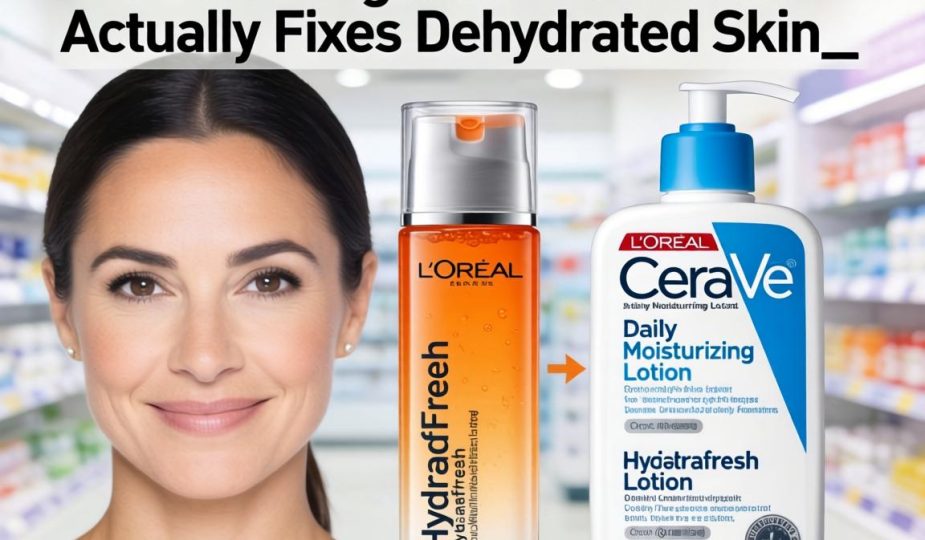
Which Drugstore Moisturizer Actually Fixes Dehydrated Skin_ L’Oréal Hydrafresh or CeraVe Daily Moisturizing Lotion_
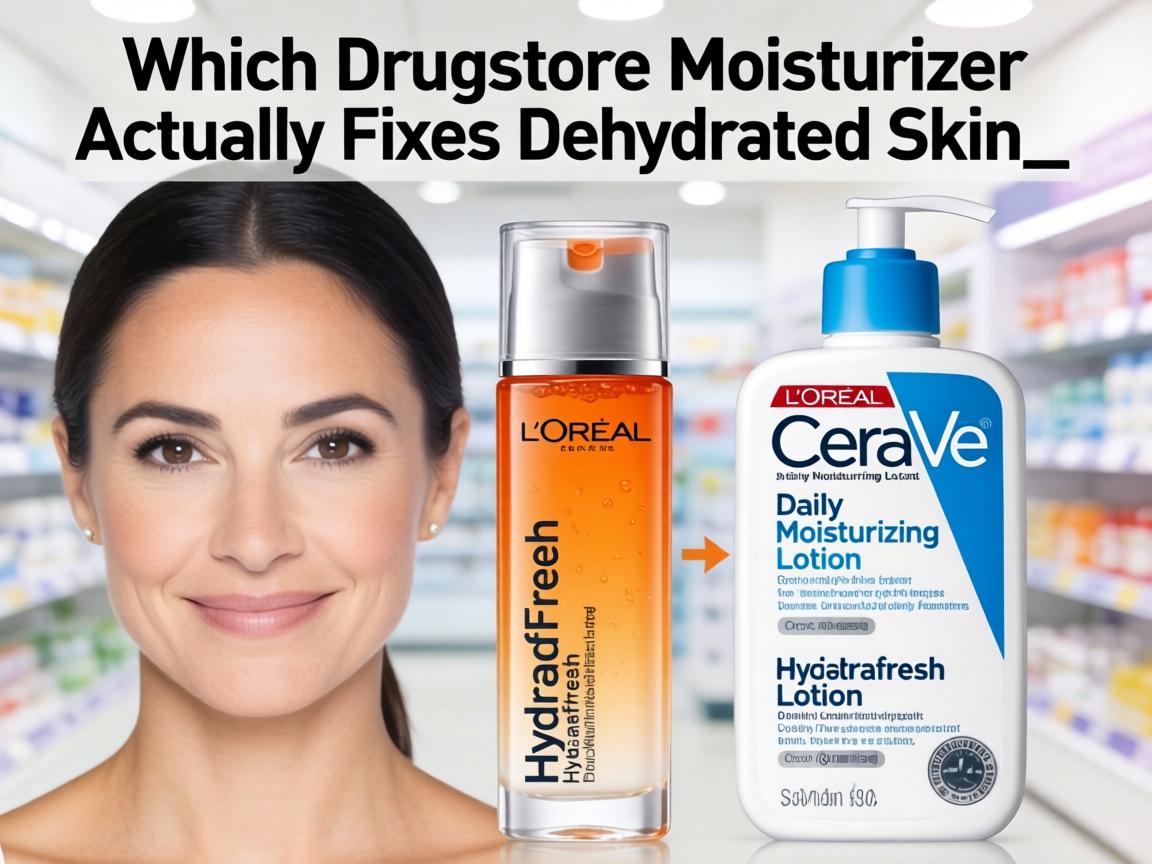
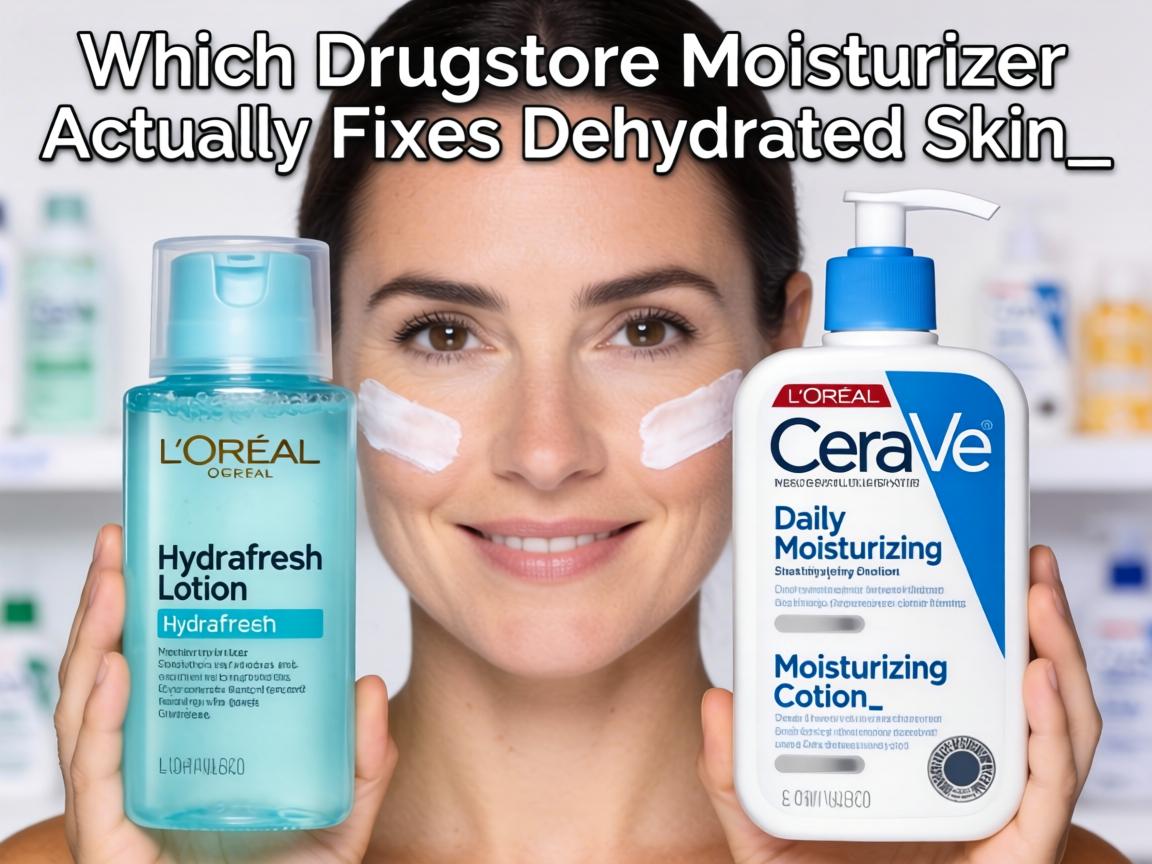
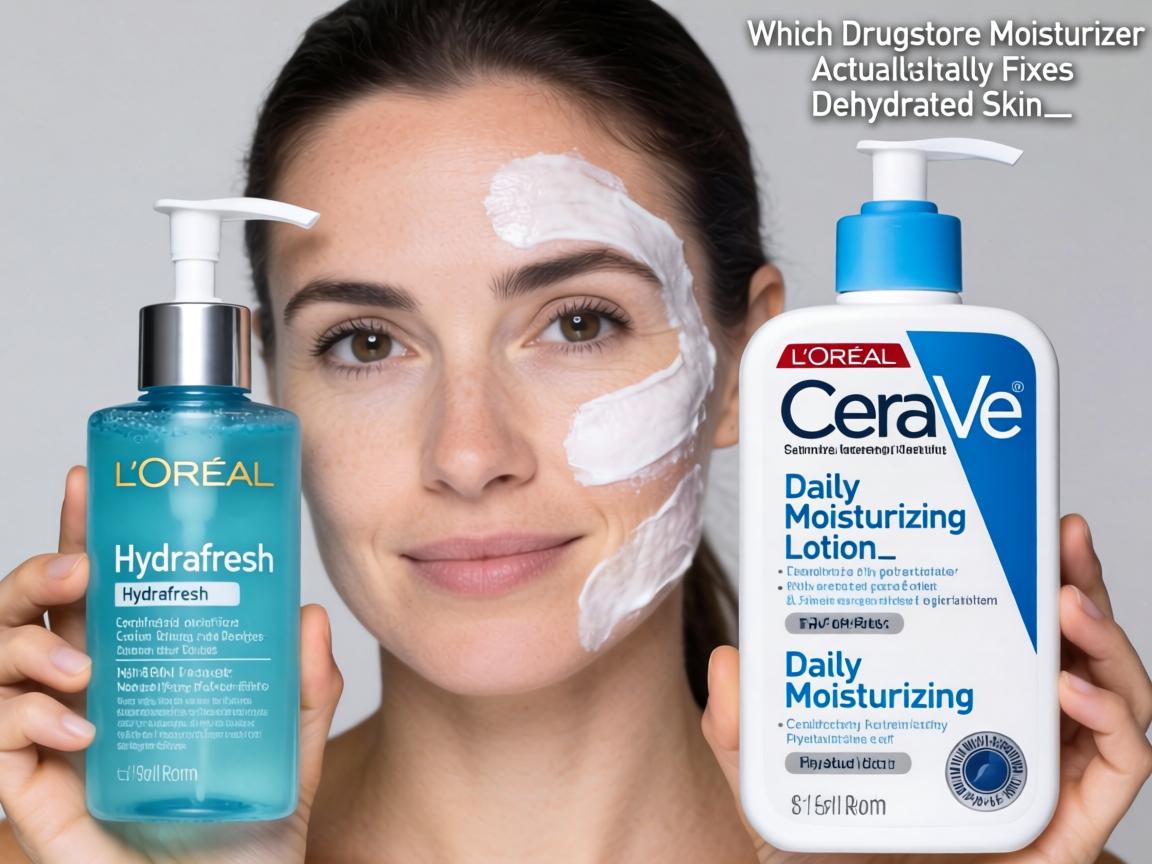
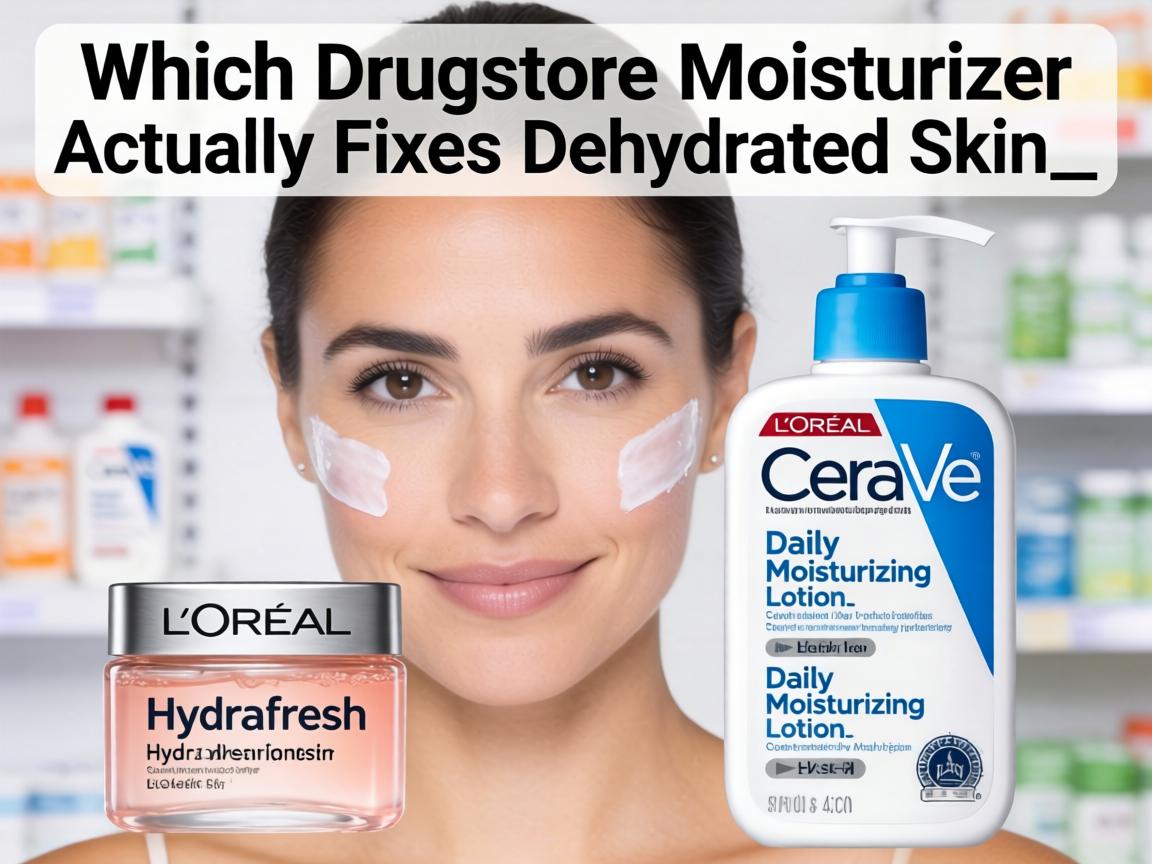
So your face feels tight by noon, foundation is settling into lines you swear weren’t there last month, and you’re standing in Target’s skincare aisle wondering if that $15 L’Oréal Hydrafresh tub is worth switching from the CeraVe pump bottle half your friends swear by. Been there. Spent six weeks testing both on different sides of my face because… well, I was curious and also slightly dramatic about finding “the one.”Here’s the thing nobody really explains though—”hydrating” means completely different things depending on whether your skin is dehydrated (lacks water) or dry (lacks oil). I’ve got combination skin that’s somehow oily on the T-zone but flaky on the cheeks, which makes moisturizer shopping basically a nightmare. Both products claim to fix this, but the ingredient lists tell a totally different story about how they plan to do it.The texture difference is immediately obvious
Hydrafresh comes in this heavy glass jar that feels fancy until you realize you’re dipping your fingers in it every morning. The gel-cream texture is… bouncy? That’s the only word. It spreads like water initially then leaves this slightly tacky film that takes a solid 3-4 minutes to sink in. I found myself doing my hair first, then coming back to do makeup because otherwise foundation would slide around.CeraVe is just… there. White lotion, pump dispenser, spreads without thinking about it. Absorbs in maybe 30 seconds. No fragrance, which honestly felt disappointing the first week because skincare should feel like a spa moment, right? But then I noticed something—my skin wasn’t getting red anymore in the mornings.What the ingredients actually do when you break them down
Hydrafresh is loaded with hyaluronic acid, obviously, but also glycerin and some plant extracts that sound nice on the label. The hyaluronic acid is doing the heavy lifting here, pulling moisture from the air into your skin. Great in humid climates, potentially problematic in dry winter air where there’s nothing to pull.CeraVe’s whole thing is ceramides—three types plus their “MVE delivery technology” that supposedly releases ingredients over time. Also hyaluronic acid but lower on the list. The ceramides are basically repairing your skin barrier, which is the long game approach rather than the immediate plumping effect.I bring you this breakdown because it matters for what you’re actually trying to fix. If your skin is damaged from over-exfoliation or retinol use, ceramides make more sense. If you’re just temporarily dehydrated from airplane travel or not drinking water (guilty), the hyaluronic acid bomb of Hydrafresh gives faster visible results.The 6-week split-face test nobody asked for but I did anyway
Left side: Hydrafresh. Right side: CeraVe. Both applied twice daily, same sunscreen over top, tracked in a notes app like the obsessive person I am becoming.Week 1-2: Hydrafresh side looked glowier. Like, noticeably more radiant in photos. The CeraVe side just looked… normal. Not bad, not amazing, just skin doing its thing. I almost quit the experiment here because who doesn’t want immediate glow?Week 3-4: The plot twist. Hydrafresh side started getting tiny bumps on the jawline—nothing dramatic, just texture that wasn’t there before. CeraVe side remained completely uneventful, which in skincare is actually the goal? Realized the Hydrafresh fragrance (it’s floral, quite strong) might be irritating me slightly, or the film it leaves was trapping sweat during workouts.Week 5-6: CeraVe side actually looked more balanced by the end. Less afternoon tightness, makeup sitting better throughout the day. Hydrafresh side still glowy but requiring more blotting, more attention. The glow was becoming grease, basically.But some friends want that immediate dewy look for events, so what should we do?
Let’s keep reading below for the real usage tricks that change everything…Detailed setup methods, let’s take a look at how to actually apply these
For Hydrafresh: less is genuinely more. I was scooping too much initially because the texture is fun to spread. Quarter-teaspoon amount for whole face, applied to damp skin (not dry), then left alone for 5 minutes before sunscreen. This way you can get the hydration without the pilling that happens when you layer too fast.For CeraVe: apply to slightly damp skin too, but you can basically immediately follow with other products. The absorption is that fast. The blogger often uses this as a “carrier” for facial oils—pump of CeraVe, two drops of rosehip oil, mix in palm, apply together. Works better than either alone for very dry days.When you’re dealing with specific skin situations
Acne-prone skin: CeraVe wins here, non-comedogenic label actually means something. The MVE technology doesn’t rely on heavy occlusives that can trap bacteria. Hydrafresh has some ingredients lower down the list that could potentially aggravate active breakouts, though it’s not officially labeled as problematic.Aging concerns: Hydrafresh gives that temporary plumping that minimizes fine lines visually. CeraVe is more about preventing future damage by maintaining barrier function. Different timelines, different goals.Sensitive or reactive skin: CeraVe, obviously. The “no fragrance” thing isn’t just marketing when you’ve had a reaction to perfumed products before. Hydrafresh’s scent lingers for 20+ minutes, which is either relaxing or annoying depending on your sensitivity.The price breakdown that actually matters
Hydrafresh: roughly $15-18 for 1.7 oz, lasts about 2 months with daily use. The jar packaging means some product gets wasted sticking to the lid, and you’re introducing bacteria every time you dip fingers in. Some people use spatulas but… who’s actually doing that consistently?CeraVe: $12-16 for 12 oz (the daily moisturizing lotion size), lasts forever. Pump dispenser is hygienic, travel-friendly, no waste. Per-ounce cost is dramatically lower, which matters when you’re using it on body too.Real talk on the “clean beauty” debate
Neither is “clean” by the most restrictive definitions, whatever that means. Both have preservatives that work. CeraVe has parabens if you’re avoiding those specifically. Hydrafresh has fragrance and color additives that serve no functional purpose. We are using drugstore skincare here, so expectations should be realistic—effective, affordable, accessible. Not Instagram-aesthetic ingredient lists.The humidity factor nobody mentions
When I tested these during a trip to Miami vs. my usual dry climate, the performance completely flipped. Hydrafresh in humidity was genuinely incredible—my skin looked like I’d had a facial, all day. CeraVe in humidity felt slightly heavy, like it wasn’t fully absorbing. Reverse was true in dry winter air: CeraVe protected against wind and heating systems, Hydrafresh seemed to evaporate and leave skin tighter than before.So the “better” product depends on where you live, not just your skin type. This is rarely discussed in reviews that treat skincare like it’s universal.My actual final thoughts after all this testing
Hope this helps you decide, or at least narrows down what to try first. I’m personally keeping CeraVe for morning use under makeup and for body, but I bought a smaller travel size of Hydrafresh for humid vacation days when I want that glow. The split-face test was probably overkill but proved that “holy grail” is situational.If you’re currently using nothing or something random from a subscription box, either of these is an upgrade. CeraVe is the safer choice, Hydrafresh is the more “experience” choice. Your skin probably doesn’t need the drama of constant switching though—pick one, use it for a month, see what happens. That’s the boring truth that doesn’t get likes on social media but actually works.