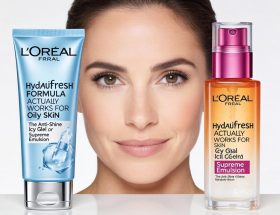
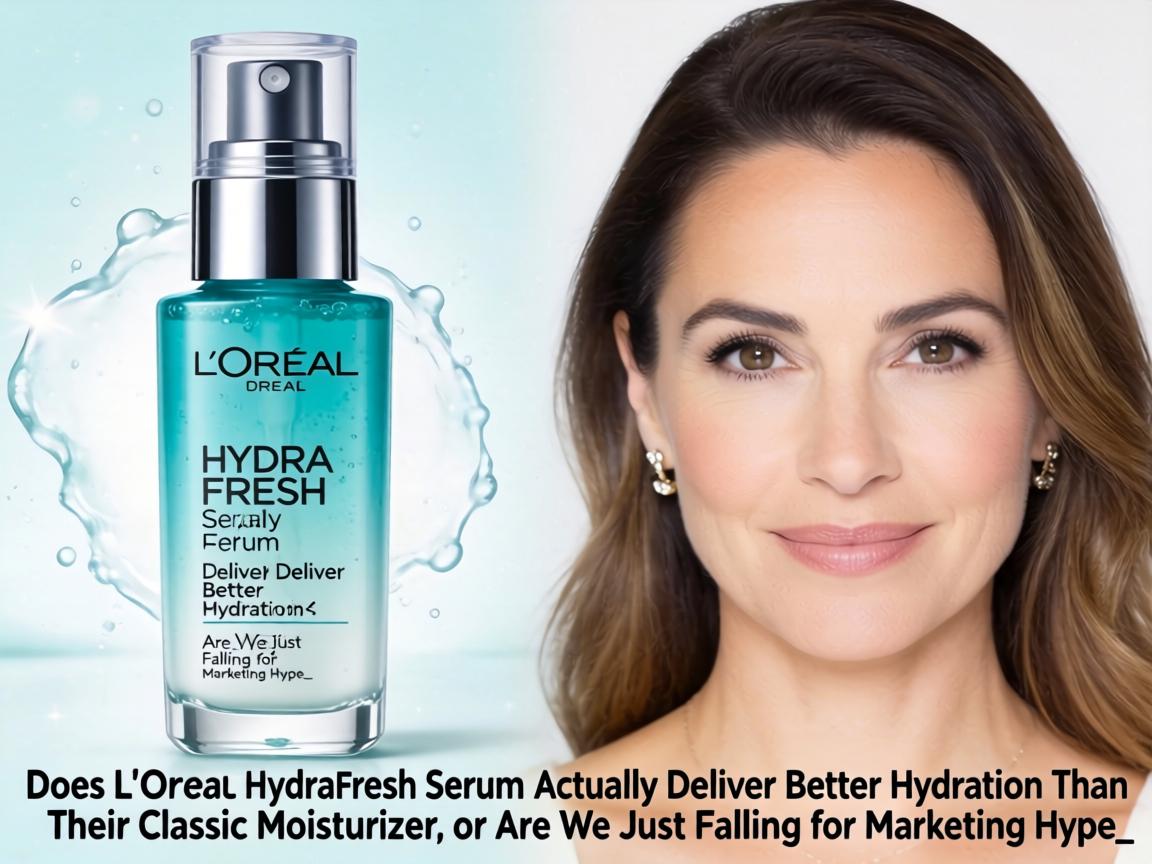
Does L’Oréal HydraFresh Serum Actually Deliver Better Hydration Than Their Classic Moisturizer, or Are We Just Falling for Marketing Hype_
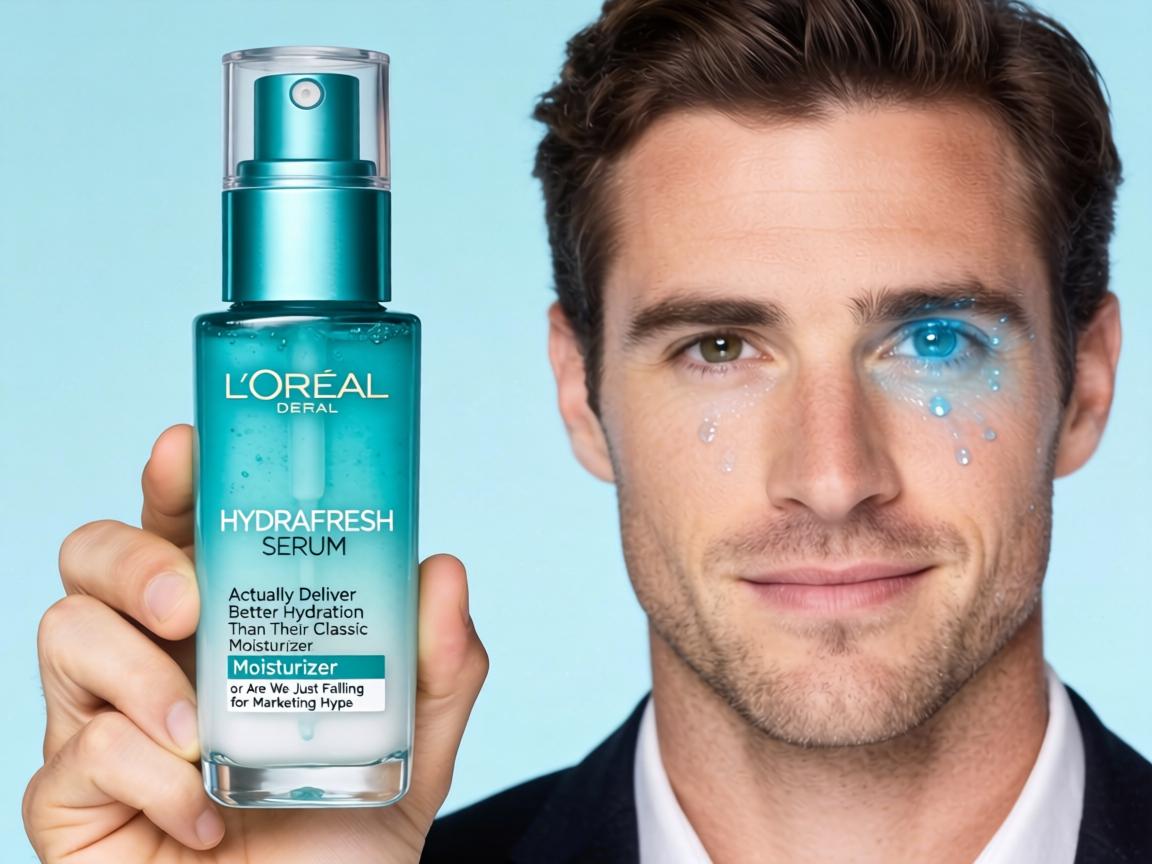
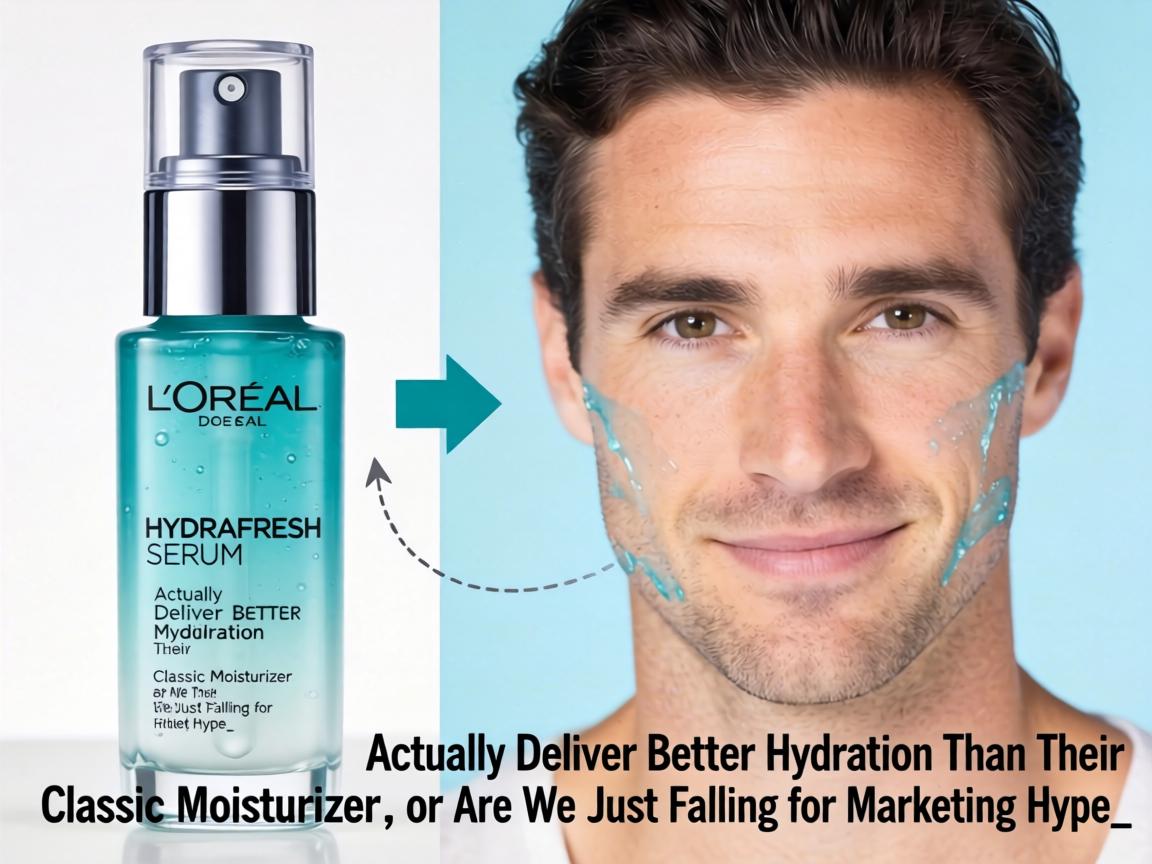
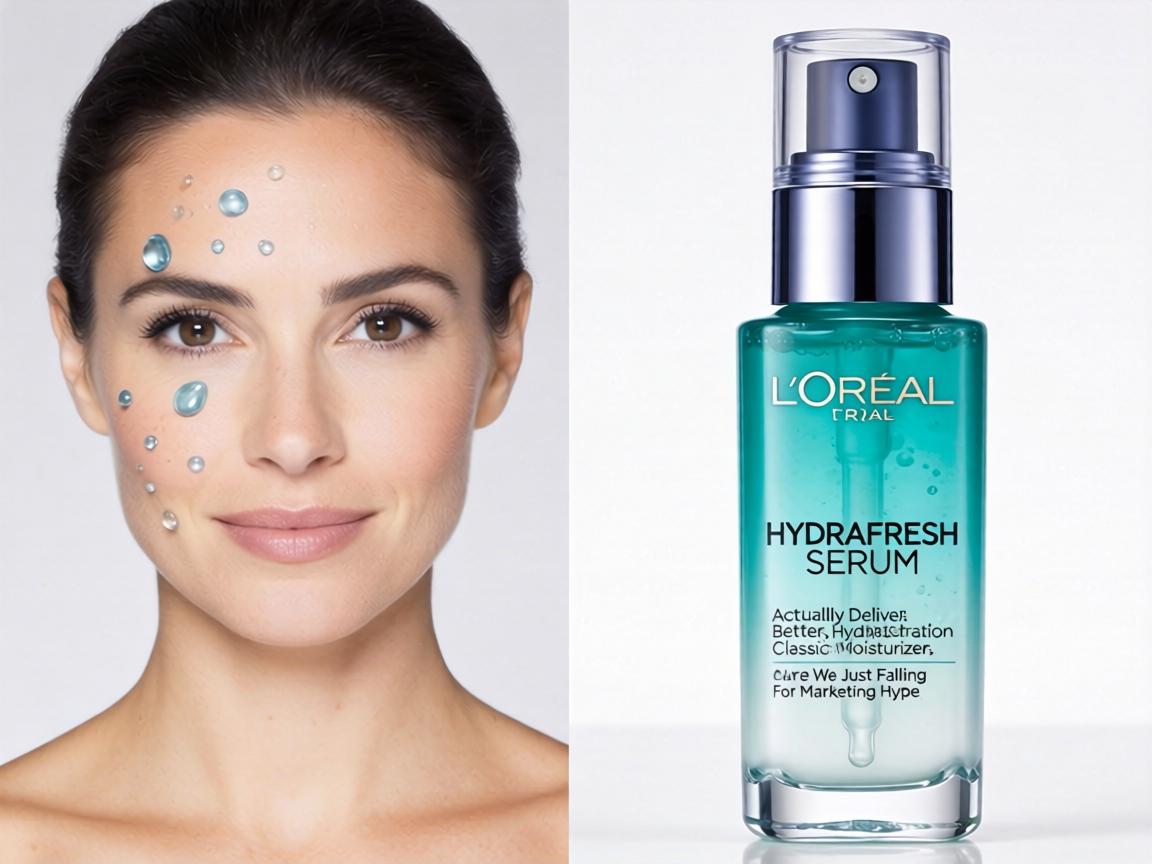
I’ve been staring at my bathroom shelf for like, ten minutes now, wondering why I bought both the L’Oréal HydraFresh moisturizer and the serum when—let’s be real—I probably only needed one. But here’s the thing: when you’re standing in that drugstore aisle, overwhelmed by blue packaging and promises of “72-hour hydration,” it’s genuinely hard to tell what you’re actually getting. Is the serum just a more expensive version of the same thing? Or does it actually do something different? I used both for a solid month, switching between them, layering them, even using them on different sides of my face (yes, I actually did that), and what I found was… well, more complicated than the marketing suggests.First, let’s talk about what we’re actually comparing here. The HydraFresh line has been around forever—like, since I was in high school probably—and it’s always been that reliable, no-frills hydration option. The kind of product your mom probably used. But then they launched this serum version, and suddenly everyone’s talking about “hyaluronic acid concentration” and “lightweight texture” like it’s a completely different category. I had to know if the upgrade was worth the extra six or seven dollars.The texture difference hits you immediately.
When we are using the classic HydraFresh moisturizer, it’s this gel-cream situation that feels cooling when you slap it on. It sits on the skin for maybe thirty seconds before sinking in, and there’s this slight tackiness that I personally don’t mind but some people hate. The serum, though? It’s watery. Almost too watery. The first time I used it, I was convinced half of it was being absorbed by my palms before it even reached my face. This way you can tell right away—this isn’t just a repackaged formula.I made a comparison table because my brain literally cannot process information without seeing it side by side:
| Aspect | HydraFresh Moisturizer | HydraFresh Serum |
|---|---|---|
| Texture | Gel-cream, slightly thick | Watery, runny liquid |
| Absorption time | 30-45 seconds | 10-15 seconds |
| Finish on skin | Slightly dewy, can feel residue | Matte, almost invisible |
| Hyaluronic acid | Listed lower in ingredients | Higher concentration, advertised |
| Best for | Dry to normal skin | Oily to combination skin |
| Price | Around $15-18 | Around $20-24 |
| Layering potential | Can pill under makeup if rushed | Layers beautifully under anything |
But some friends want to know—does the serum actually hydrate better? Or is it just… lighter? Because those are two very different things, and I think L’Oréal’s marketing kind of blurs that line on purpose.Let’s keep reading below!The hydration test I did was honestly kind of ridiculous.
I used the moisturizer on my left cheek and the serum on my right cheek for a week. Same cleanser, same everything else. By day three, the moisturizer side felt… cushioned? Like there was actually a barrier holding water in. The serum side felt comfortable, not tight or anything, but when I pressed my finger against my cheek, there was less of that bounce-back plumpness. The serum was doing something, definitely, but it wasn’t the same type of hydration.I bring you detailed setup methods, let’s take a look at how I actually incorporated both into routines that made sense. With the moisturizer, I found it worked best as my final step—like, the seal on everything. When I tried putting other products on top of it, things got messy. The serum, though, was designed to be layered. The blogger often uses it under a heavier cream in winter, or under sunscreen in summer, and that flexibility is actually its superpower. It’s not trying to be your only hydration source; it’s playing a different position entirely.Here’s where my thinking gets a bit messy, though.
I kept wondering—if I have normal to slightly dry skin, do I even need the serum? Or is this just another step invented to make me buy more products? The moisturizer alone was perfectly adequate for my morning routine. At night, when my apartment heater was blasting, I actually preferred the heavier feel of the cream. The serum left me wanting more by 2 AM.But then I gave the serum to my friend with oily skin, and her reaction was completely different. She texted me at midnight—literally midnight—saying she’d never found a hydrator that didn’t make her look greasy by noon. For her, the serum was revolutionary. This made me realize something: L’Oréal didn’t create the serum as a “better” version. They created it for a different customer entirely, then marketed it to everyone because… well, that’s what brands do.The ingredient list tells a quieter story.
Both have hyaluronic acid, obviously—that’s the HydraFresh signature. But the serum puts it front and center, higher up in the list, paired with glycerin and some newer hydrating molecules I can’t pronounce. The moisturizer relies more on traditional emollients, silicones that create that smooth feel, plus the hyaluronic acid as more of a supporting player. Neither is “clean beauty” or whatever that even means anymore, but the serum feels slightly more… current? Like it was formulated in 2023 instead of 2015.What should we do if we’re standing in that aisle right now, trying to choose? I’d say—touch your face. Is it tight? Flaky? Go with the moisturizer, no question. Does it get shiny by lunch? Bumpy in texture? The serum might actually change your routine for the better. And if you’re one of those people with “combination” skin (which is basically everyone, let’s be honest), maybe you use the serum in your T-zone and the moisturizer everywhere else. I tried that for a week and honestly? Not mad at the results.One thing I keep circling back to: the sensory experience.
The moisturizer has this faint, clean smell that reminds me of something from childhood—maybe my grandmother’s vanity, though I can’t place exactly what. The serum is fragrance-free, or close enough that I don’t detect anything. For some people that’s a win. For me, it felt clinical. Skincare is partly about the ritual, right? The smell, the texture, the moment of pausing before your day starts. The serum is efficient. The moisturizer is… cozy? I don’t know if that makes sense, but it’s how I felt using them.Hope this helps you figure out which one deserves your money. Or if you’re like me, maybe you end up with both, using them for different moods, different seasons, different versions of yourself. The HydraFresh line isn’t trying to be revolutionary—it’s trying to be accessible, reliable, the kind of product you can recommend to your sister without worrying about her budget or her skin type. And honestly? In a market flooded with $80 hyaluronic acid serums in weighted glass bottles, there’s something almost radical about that simplicity.