Which L’Oréal Revitalift Moisturizer Actually Works Better for Aging Skin_ The Day Cream with SPF or the Night Cream with Retinol_
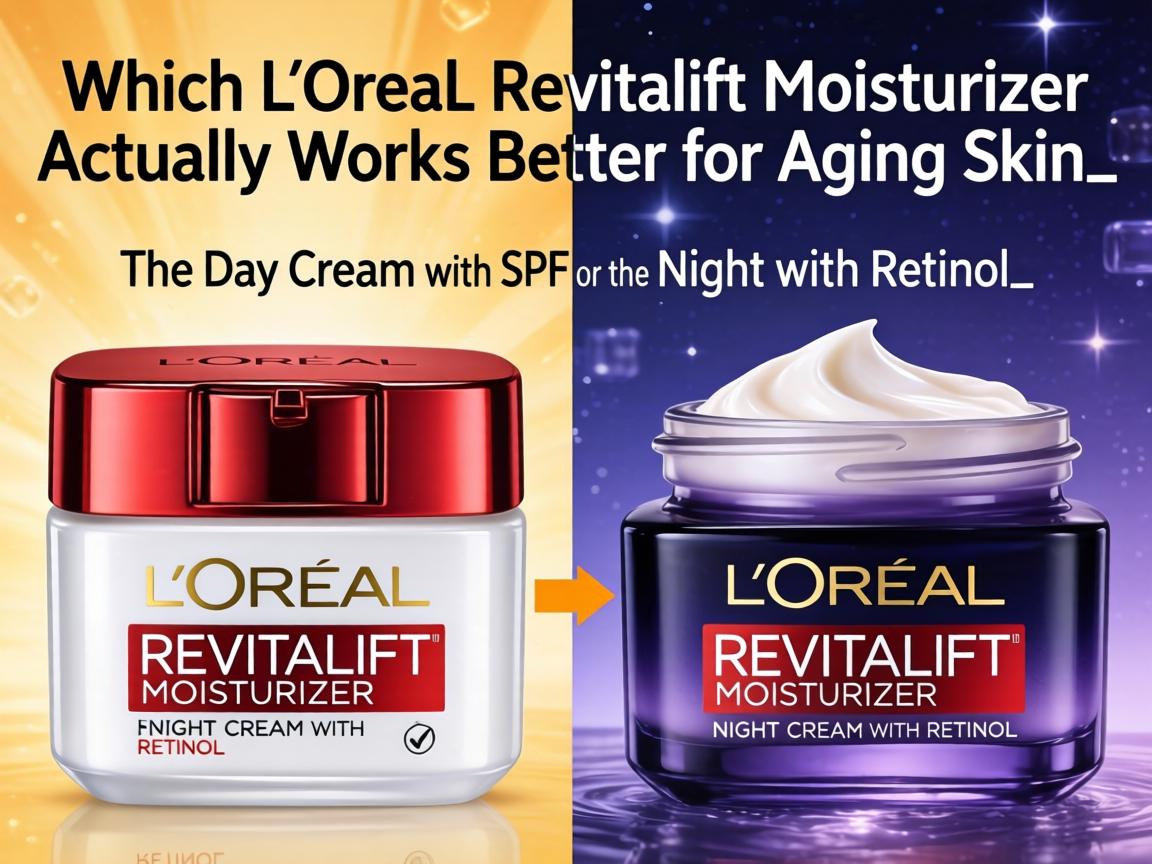
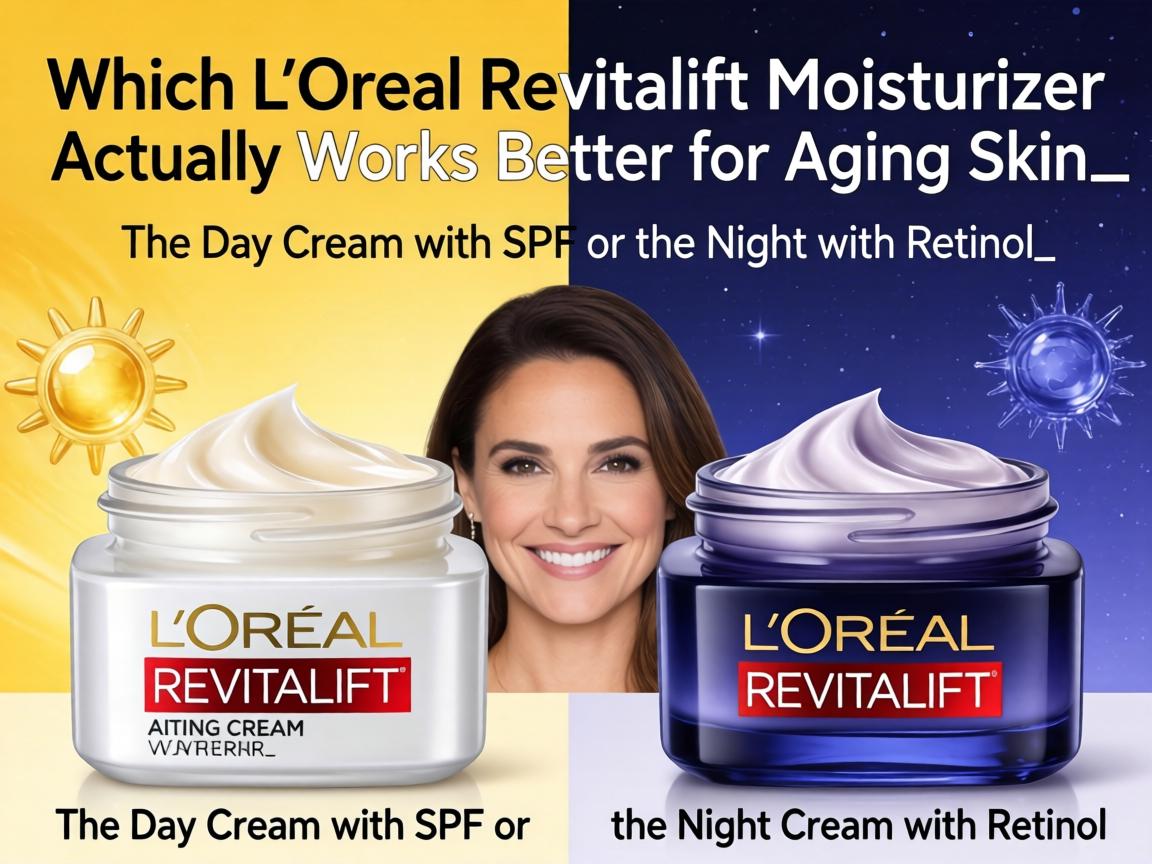
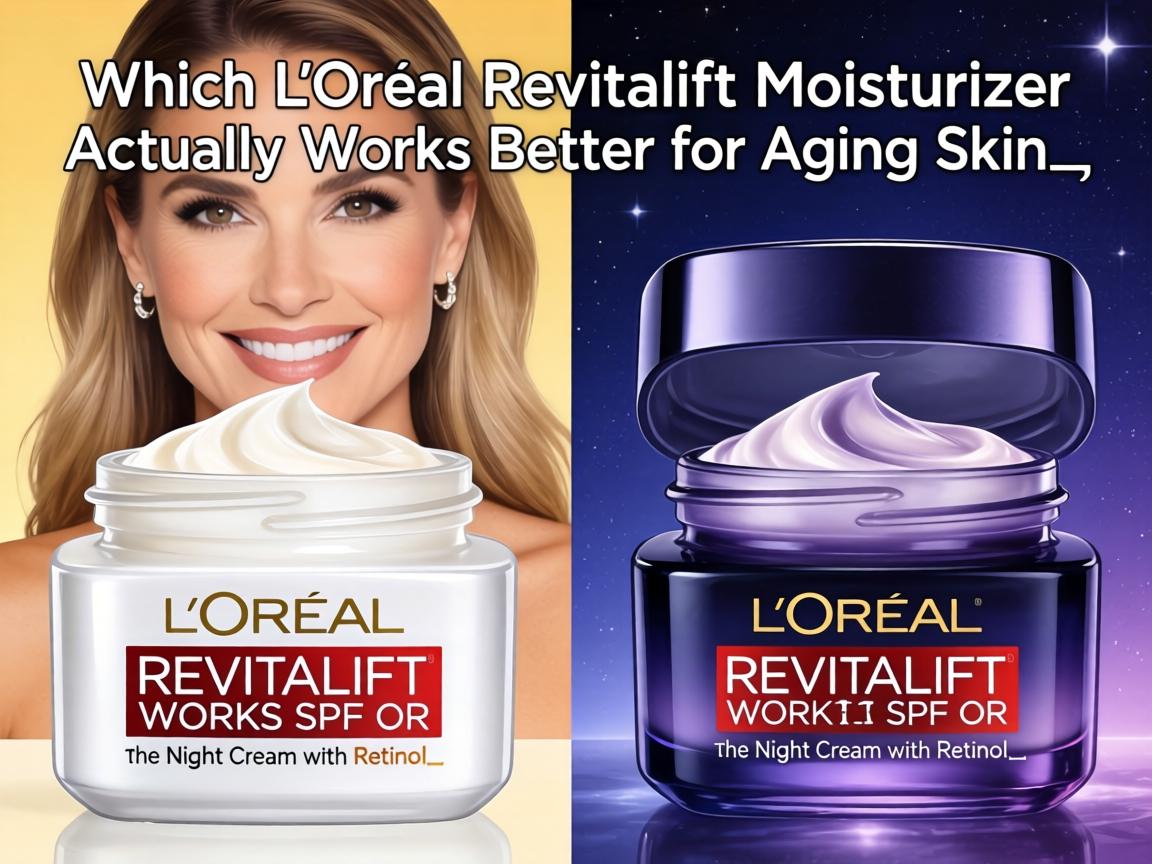
So you’re standing in the skincare aisle, right? And there they are—two nearly identical jars staring back at you. One says “Day Cream” with that little SPF badge, the other whispers “Night Cream” with retinol plastered all over it. Both from L’Oréal’s Revitalift line. Both promising to fight wrinkles. Both around thirty bucks. But which one actually delivers?I’ve been using these on and off for about eight months now, and honestly? The answer isn’t as straightforward as the marketing wants you to believe. Let’s break this down properly.What Even Is Revitalift, Anyway?
L’Oréal launched this line back when anti-aging was becoming, like, the conversation in beauty. The whole schtick centers on pro-retinol—which is basically retinol’s gentler cousin that doesn’t make your face peel off. Smart move for mass market, if you ask me. Most people can’t handle prescription-strength tretinoin, so this middle-ground approach? It works for the average consumer who wants results without the dermatologist bill.But here’s where it gets messy. The day cream and night cream aren’t just “same formula, different packaging.” They’re fundamentally different products serving different purposes, and using them wrong—or choosing the wrong one for your lifestyle—can actually backfire.The Day Cream: SPF 30 + Pro-Retinol
Okay, so this one gets marketed as your morning shield. SPF 30 is decent for daily incidental exposure—commuting, walking the dog, grabbing coffee. Not beach-worthy, but we’re not talking about vacation here. The texture is… surprisingly lightweight? I expected that heavy sunscreen feel, but it absorbs pretty fast. Makeup sits on top without pilling, which is more than I can say for some department store SPF moisturizers that cost three times as much.The retinol concentration here is lower.
That’s intentional. Retinol breaks down in sunlight, so putting high concentrations in a day product would be pointless anyway. What you’re getting is maintenance-level anti-aging with sun protection baked in. For people who are lazy about sunscreen—and let’s be real, that’s most of us—this removes one step from your routine.But. And this is a big but. If you’re serious about retinol results, this concentration might leave you underwhelmed. I noticed my skin looked… brighter? Maybe slightly smoother? But those deep forehead lines? Still hanging around after three months of dedicated use.The Night Cream: Pure Retinol + Moisture Bomb
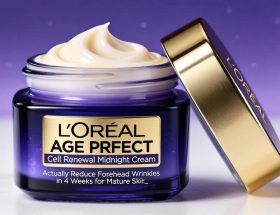
Now this is where L’Oréal actually put some effort in. The night cream uses what they call “pure retinol”—marketing speak, sure, but the concentration is noticeably higher than the day version. You can feel it. Not in a burning way, but there’s this slight tingling when you first start using it. Classic retinol behavior.The texture is richer. Thicker. Almost balm-like compared to the day cream’s lotion consistency. They packed this with glycerin and some other humectants to combat the dryness that retinol notoriously causes. Smart formulation, honestly. Most drugstore retinol products just throw active ingredients at you without considering the irritation factor.Here’s what happened when I used this consistently:
Week one, nothing special. Week three, my skin started looking… fresher? Like I’d actually slept eight hours instead of scrolling TikTok until 2 AM. By week six, those fine lines around my eyes were definitely softer. Not erased—let’s be realistic—but softened enough that I noticed in photos.The Comparison Nobody Asked For But Everyone Needs
| Feature | Revitalift Day Cream SPF 30 | Revitalift Night Cream |
|---|---|---|
| Texture
|
Light lotion, absorbs quickly | Rich cream, takes time to sink in |
| Retinol Strength
|
Low (maintenance level) | Moderate (treatment level) |
| Primary Benefit
|
Sun protection + prevention | Active repair + wrinkle reduction |
| Best For
|
Busy mornings, retinol beginners | Night routines, visible aging concerns |
| Potential Issues
|
Can feel slightly greasy on oily skin | May cause initial dryness/flaking |
| Real Talk Results
|
Prevention-focused, subtle brightening | Measurable texture improvement in 4-6 weeks |
So Which One Should You Actually Buy?
This is where I get opinionated, so buckle up.If you’re under thirty and just starting to think about anti-aging? The day cream makes sense. You’re probably not dealing with deep wrinkles yet, and the SPF habit alone is worth the price tag. Prevention, as every dermatologist loves to say, is easier than correction.But if you’re over thirty-five, or you have specific concerns—sun damage, established lines, that crepey texture that seems to appear overnight? Skip the day cream. Seriously. Buy the night cream and pair it with a separate sunscreen for morning. You’ll get way more bang for your buck.Wait, Can You Use Both?
Technically yes, but should you? I tried this for a month—day cream AM, night cream PM—and my skin got… confused. Not irritated exactly, but it felt like the products were working against each other. The day cream’s lower retinol concentration might actually interfere with the night cream’s efficacy if you’re using them back-to-back. Plus, that’s sixty dollars on moisturizer when you could spend forty on the night cream and ten on a basic SPF.Some friends want the convenience of a matched set, I get it. There’s something psychologically satisfying about using “the complete system.” But skincare doesn’t work like that. Your skin doesn’t care about brand aesthetics. It cares about ingredients at effective concentrations.The Honest Truth About Results
Let’s keep reading below for what the bloggers won’t tell you. Most reviews you’ll find online? They’re written after two weeks of use. That’s not enough time for retinol to do anything meaningful. Cell turnover takes twenty-eight days minimum. Real results? You’re looking at month three, maybe month four.I bring you this detailed setup method after actually sticking with it: use the night cream on dry skin, wait twenty minutes after washing your face, apply a pea-sized amount. This way you can minimize irritation while maximizing absorption. The blogger often uses too much product—don’t be that person. More retinol doesn’t mean faster results, it just means more redness.The Verdict Nobody Wants to Hear
Here’s my personal opinion after all this testing: the night cream is the superior product. Hands down. The day cream is fine—perfectly adequate, even good for what it is—but if you’re choosing between them, the night version delivers measurable results. The day cream delivers… convenience. And maybe a false sense of security that you’re doing serious anti-aging work when you’re really just moisturizing with benefits.That said, if you’re the type who will absolutely not use separate sunscreen? Then yeah, grab the day cream. Something is better than nothing. But don’t expect miracles. Hope this helps you make a decision that actually fits your skin goals rather than just your shopping habits.